
US prosecutors expand Maduro case with new torture charges against former Venezuelan leader and wife
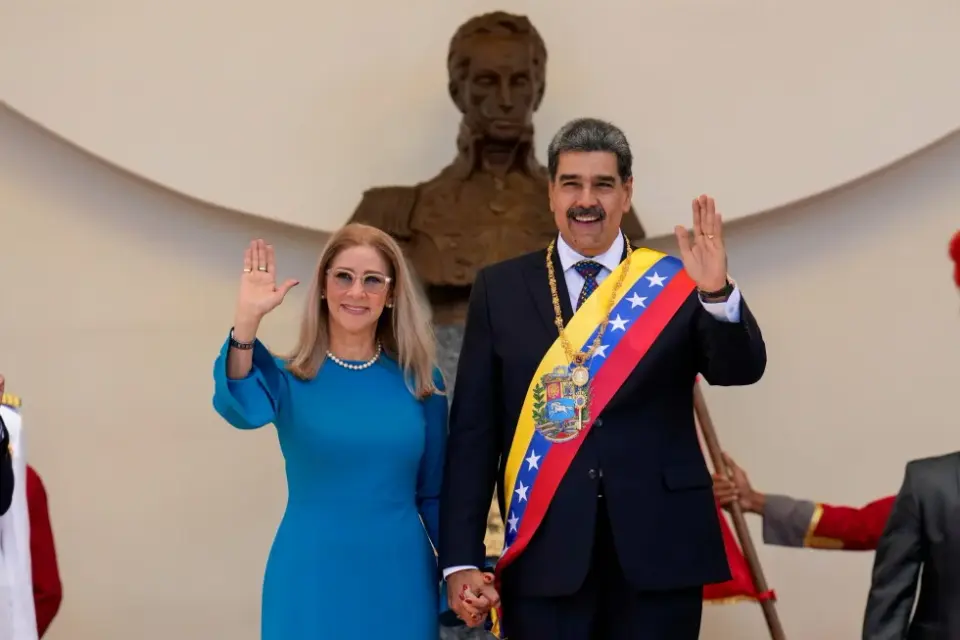
US federal prosecutors have unsealed a superseding indictment charging former Venezuelan President Nicolás Maduro and his wife, Cilia Flores, with conspiracy to commit torture. The new charges allege that Maduro authorized a system of repression involving the abuse of more than a dozen American citizens and Venezuelan political opponents. Maduro and Flores, who have been held in a Brooklyn detention center since a US military raid in January 2026, have pleaded not guilty to existing drug trafficking charges. The defense has argued for sovereign immunity, while prosecutors maintain the couple are liable for human rights abuses. A judge recently denied Flores a request for house arrest, citing flight risk and health concerns.
Key points
- Federal prosecutors in New York added conspiracy to commit torture charges against Maduro and Flores, alleging they oversaw a system of violence to maintain power.
- The indictment details specific abuses, including electrocution, waterboarding, asphyxiation, and forced ingestion of vomit, inflicted on American and Venezuelan detainees.
- Maduro and Flores were captured in a US military raid in January 2026 and are currently held without bail in a Brooklyn detention center.
- Maduro’s attorney, Barry Pollack, denied the new charges and argued his client should have immunity as a former head of state, a claim prosecutors rejected.
- Judge Hellerstein denied Flores’ request for house arrest, citing her as a flight risk and noting that Venezuela would likely not extradite her if she escaped.
- The trial for both defendants is scheduled to begin in June 2027, with prosecutors arguing the torture charges justify continued detention.
Background
This development follows earlier legal battles where Maduro sought to dismiss narcoterrorism charges by claiming absolute immunity as a foreign head of state. Previous coverage noted that Maduro and Flores were captured in a US military operation in January 2026, leading to their current detention in New York. The new charges expand the scope of the prosecution beyond drug trafficking to include human rights violations, reflecting a broader US strategy to hold the former regime accountable for abuses against both Americans and Venezuelans.
How outlets are covering it
AP News and NBC News reported the unsealing of the new indictment, focusing on the expansion of charges to include torture and the ongoing legal dispute over immunity. CNN provided detailed accounts of the alleged torture methods, including specific incidents involving American detainees, and highlighted the testimony of former prisoners. BBC emphasized the systemic nature of the repression, noting that prosecutors accused Flores of personally ordering torture to protect family members involved in illegal activities. All outlets agreed on the core facts of the new charges and the defendants' denial, but differed in emphasis: CNN focused on the specific brutality described in the indictment, while BBC highlighted the broader context of ongoing human rights concerns in Venezuela post-Maduro.
Why it matters
The new charges signal a significant escalation in the US legal case against Maduro, moving beyond drug trafficking to direct allegations of human rights abuses. This could impact the outcome of the trial and set a precedent for holding former leaders accountable for torture. The denial of house arrest for Flores underscores the US government's stance on the severity of the allegations and the perceived flight risk, potentially influencing public opinion and international perceptions of US justice in foreign affairs.
What to watch
The trial for Maduro and Flores is scheduled to begin in June 2027. Prosecutors will likely use the new torture charges to argue against any bail requests and to support a harsher sentence. The defense will continue to argue for sovereign immunity and may challenge the legality of the initial capture. The outcome of this case could have broader implications for US-Venezuela relations and the treatment of former leaders in international law.
- New US indictment charges Maduro with overseeing machine of repression, torture of Americans AP News
- Nicolás Maduro and his wife face new charges over alleged torture of Americans | CNN Politics CNN
- Maduro Charged With Ordering Torture of Americans in Venezuelan Prison The New York Times
- New U.S. indictment charges former Venezuelan President Nicolás Maduro with torture NBC News
- Venezuela's ex-leader Nicolás Maduro charged with conspiracy to commit torture BBC
Want the full story? Read the original reporting
Read on AP News