
US prosecutors expand Maduro case with new torture counts
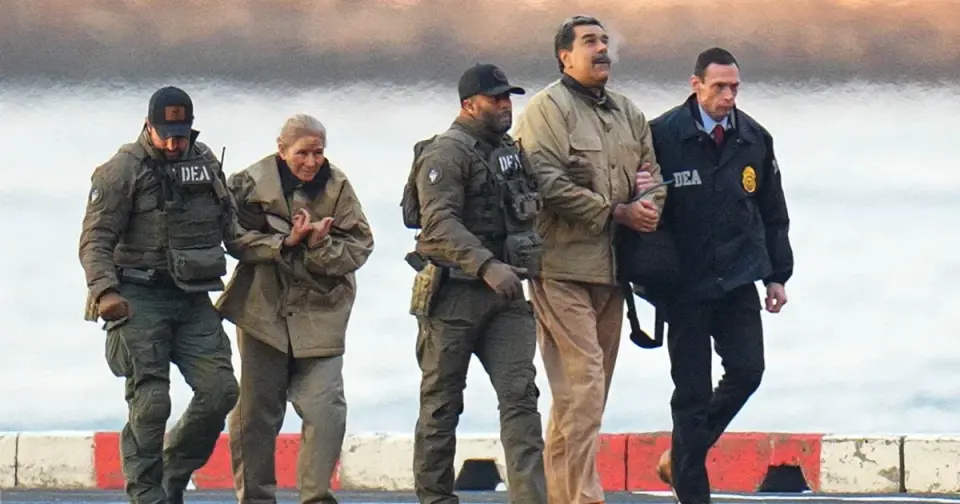
US federal prosecutors have unsealed a superseding indictment charging former Venezuelan President Nicolas Maduro and his wife, Cilia Flores, with conspiracy to commit torture. The new charges allege that Maduro authorized a state-sponsored system of repression against political opponents and Americans, adding to existing drug trafficking counts. While Maduro’s defense team claims sovereign immunity, prosecutors argue he is a rogue official with no such protection. The couple, captured in a January 2026 US military raid, remain in custody in New York, with a trial scheduled for June 2027.
Key points
- A new indictment charges Maduro and Flores with conspiracy to commit torture, alleging they oversaw a system of violence against political opponents and US citizens.
- The charges add to existing counts of narcoterrorism and drug trafficking; both have pleaded not guilty and face potential life sentences.
- Maduro’s defense team is challenging the legality of the arrest by claiming head-of-state immunity, a claim prosecutors reject.
- Judge Lewis Kaplan denied a request for Flores to be moved to house arrest, citing flight risks and her medical condition, which prosecutors argue does not justify release.
- The indictment details specific acts of abuse, including electrocution, waterboarding, and forced ingestion of vomit, affecting more than a dozen Americans and numerous Venezuelans.
Background
Maduro and Flores were captured in a US military raid in Caracas in January 2026 and have been held in New York since. They previously faced charges related to drug trafficking and weapons, with a trial scheduled for June 2027. Maduro’s defense team has argued for dismissal based on sovereign immunity, a claim that was also raised in September 2026. The new torture charges expand the scope of the prosecution, focusing on human rights abuses during Maduro’s presidency from 2013 to 2026.
How outlets are covering it
NBC News and The Washington Post report the unsealing of the new indictment as a significant expansion of the case, focusing on the legal and human rights implications. CNN provides detailed accounts of the alleged torture methods, including specific victims and the role of the DGCIM prison. All three outlets agree on the core facts but differ in emphasis: NBC and The Post focus on the legal proceedings and immunity claims, while CNN highlights the specific acts of torture and the impact on American citizens. The Washington Post notes the judge’s denial of house arrest for Flores, while CNN details the medical issues cited by her defense.
Why it matters
The new torture charges significantly expand the legal case against Maduro and Flores, potentially leading to life sentences if convicted. The case highlights the US government’s approach to holding foreign leaders accountable for human rights abuses and the legal challenges surrounding sovereign immunity. The outcome could set a precedent for prosecuting former heads of state for crimes committed while in office.
What to watch
The next steps include the arraignment of Maduro and Flores on the new torture charges, which is expected to be scheduled by the judge. The defense team will continue to argue for dismissal based on sovereign immunity, while prosecutors will present evidence of the alleged torture. The trial is scheduled for June 2027, and the outcome will determine whether Maduro and Flores face life in prison.
- New U.S. indictment charges former Venezuelan President Nicolás Maduro with torture NBC News
- Nicolás Maduro and his wife face new charges over alleged torture of Americans | CNN Politics CNN
- U.S. indictment charges Maduro with overseeing machine of repression, torture of Americans NBC News
- Maduro Charged With Ordering Torture of Americans in Venezuelan Prison The New York Times
- U.S. officials charge Maduro, wife with torturing dissidents The Washington Post
Want the full story? Read the original reporting
Read on NBC News