
Xi’s US Visit Highlights China’s Resilient Trade Strategy Amid Economic Struggles
Chinese President Xi Jinping begins a three-day state visit to the US with a rare planeside welcome from President Donald Trump. While the US-China trade deficit remains high due to surging demand for AI components, China’s growing self-sufficiency and global supply chain dominance have reduced its vulnerability to external trade shocks. However, domestic economic challenges, including a property downturn and fierce internal competition, persist.
Key points
- Xi Jinping arrived in Washington for a three-day state visit, receiving a rare tarmac welcome from President Trump at Joint Base Andrews, signaling high-level diplomatic engagement.
- The US trade deficit with China has risen again this year, driven by strong demand for AI-related parts, despite previous tariff escalations that briefly lowered the deficit to 2017 levels.
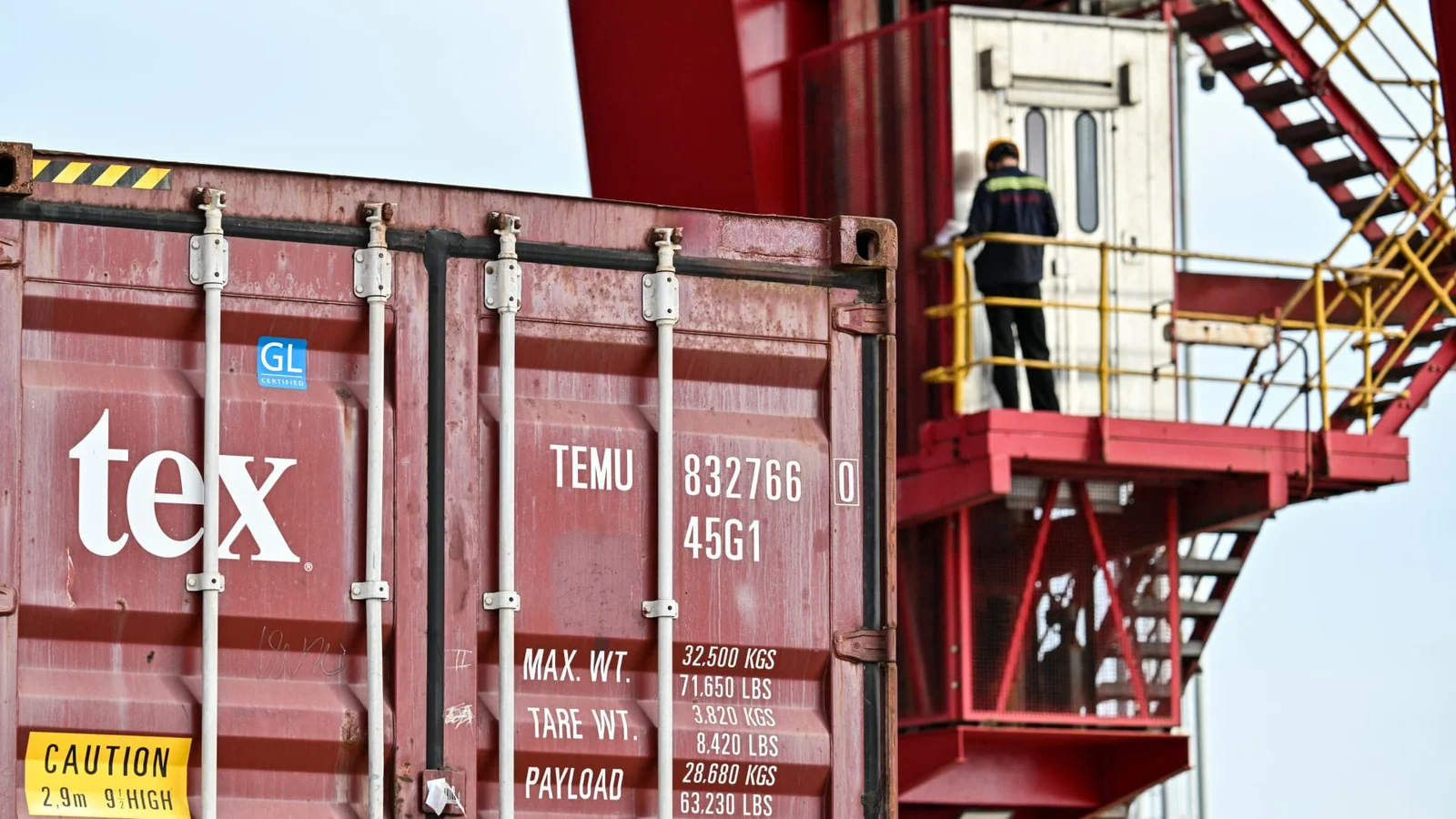
- China has reached its 2030 target for global container export share early, now accounting for 40% of global exports, as Asia still represents over 60% of US imports.
- Domestic economic pressures remain significant, with house prices down 30% over six years, 24% of industrial firms reporting losses in 2025, and smartphone output falling 22.3% in August.
- Chinese companies are increasingly viewed as advanced rivals by foreign firms, with domestic competition now surpassing geopolitical tensions as the top challenge for US businesses in China.
Background
This visit follows a period of heightened US-China trade tensions and previous diplomatic engagements. It occurs amidst broader global scrutiny of Chinese exports, including recent EU trade commissioner Maroš Šefčovič’s call for tangible results from Beijing by October. The visit also comes after China’s delayed Chang’e-7 lunar mission and ongoing South China Sea disputes, highlighting China’s multifaceted strategic priorities.
How outlets are covering it
CNBC emphasizes China’s strategic self-sufficiency and its ability to maintain global trade influence despite domestic economic headwinds, noting that China’s trade strategy is not dependent on external actions. The Baltimore Sun focuses on the diplomatic protocol of Xi’s visit, highlighting the unprecedented planeside welcome by Trump as a sign of significant diplomatic effort. Both sources acknowledge the persistent trade deficit but differ in emphasis: CNBC highlights structural economic shifts and supply chain dominance, while the Baltimore Sun focuses on the political symbolism of the summit.
Why it matters
The summit underscores the complex interplay between US-China economic interdependence and geopolitical rivalry. China’s ability to sustain trade volumes through AI demand and supply chain control, despite domestic economic challenges, signals a shift in global trade dynamics. The diplomatic overture suggests potential for renewed trade truces, but underlying tensions over technology, competition, and domestic economic stability remain critical factors for global markets and policy.
What to watch
Expect continued scrutiny of Chinese exports by the EU, with Trade Commissioner Šefčovič traveling to Beijing next month. Watch for potential trade truce extensions or new agreements from the Xi-Trump summit. Monitor China’s domestic economic indicators, particularly labor markets and property sector, for signs of further easing measures. Track AI-related export trends, as recent declines may signal future shifts in China’s high-tech export performance.
- Trump-Xi meeting: Why China's self-sufficiency changes the calculus CNBC
- A lot’s changed since Xi Jinping’s last US state visit. Mostly in China’s favor. CNN
- DC street closures and parking restrictions as Chinese President Xi Jinping visits White House WUSA9
- Trump-Xi summit puts AI safety talks on the table but neither side wants to slow down CNBC
- China’s Xi kicks off state visit to Washington on Wednesday with a rare planeside welcome from Trump Baltimore Sun
Want the full story? Read the original reporting
Read on CNBC