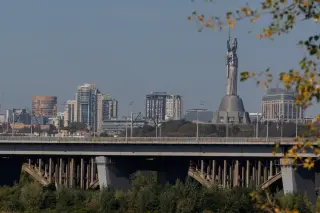
US and European embassies remain in Kyiv despite Russian threats, while intensified strikes damage key infrastructure and the US proposes trilateral peace talks by late October.
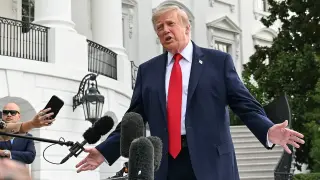
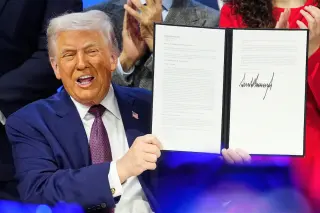
President Donald Trump stated on September 26 that 25,000 people died in the Ukraine-Russia conflict last month, following 32,000 deaths the previous month. He claimed these figures are 97% military personnel. Trump said he recently spoke with Ukrainian President Volodymyr Zelenskyy and urged him to settle with Russian President Vladimir Putin before winter. Zelenskyy confirmed Trump agreed to allow Ukraine to license and produce Patriot missile interceptors, a policy shift from previous hesitation. Trump expressed hope for a deal before the heavy winter season, citing ongoing conversations with both leaders.
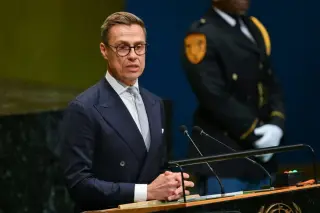
Finnish President Alexander Stubb stated that Ukraine holds a stronger military and financial position than a year ago, arguing that Russia is not winning the war. He called for Vladimir Putin to join peace talks, supported by recent diplomatic movements from US envoys. Stubb advocated for a reciprocal energy ceasefire before winter and highlighted Ukraine’s urgent needs for air defense, energy infrastructure, and financial aid.
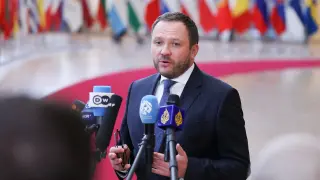
Estonian Foreign Minister Margus Tsahkna accuses Putin of exploiting Trump’s efforts to broker peace as a way to buy time in Ukraine, calling for stronger pressure on Moscow; Estonia—one of NATO’s Baltic members and a vocal Ukraine ally—continues to back Kyiv amid escalating Russian strikes, while U.S. envoys meet with Russian and Ukrainian leaders and Trump reiterates a quick-end-Ukraine pledge at the UN.
Russia’s contract recruitment is failing to offset rising battlefield losses in Ukraine, with about 195,000 contract soldiers by early July 2026—less than half of the annual 409,000 goal—while casualty rates outpace replacements. The Western-led Coalition of the Willing pushes for binding security guarantees for Ukraine and expanded air-defense support, as Kyiv targets Russian energy infrastructure (Salavat and Afipsky refineries) and strengthens defense ties with France and Italy, all amid ongoing Russian strikes and Moscow’s resistance to European participation in peace talks.
Seven months after Trump unveiled a Gaza peace plan and four months after forming a Board of Peace, the reconstruction effort is stalled with no donor funds raised, while Hamas disarmament talks remain deadlocked and Israel continues to expand territory, leaving the grand reconstruction vision distant.
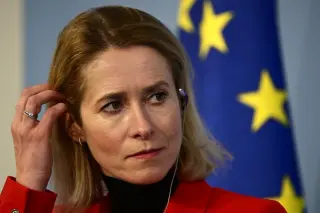
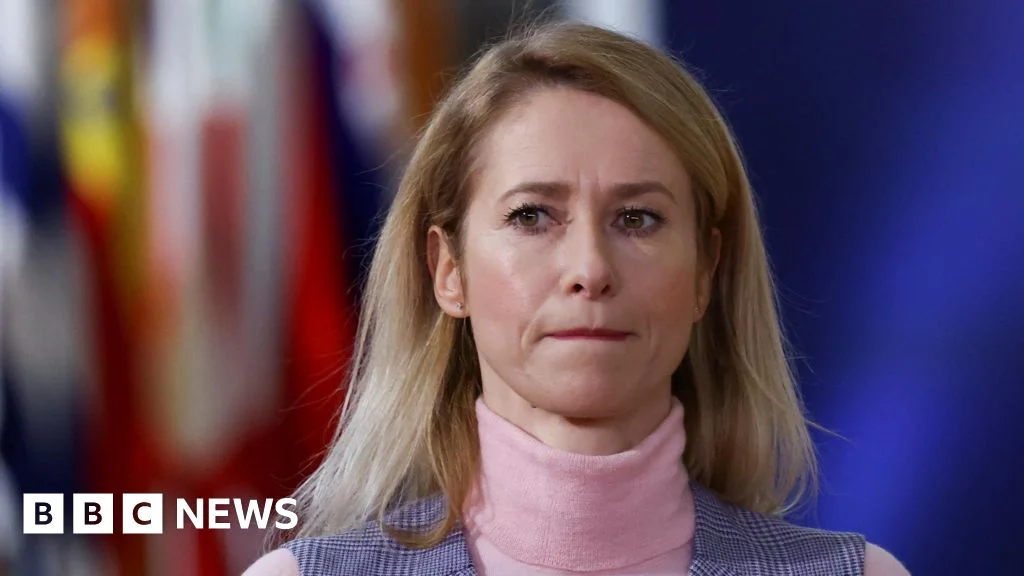
EU foreign policy chief Kaja Kallas says any military restrictions imposed on Ukraine in a future peace agreement with Russia should be mirrored onto Moscow, arguing Russia's maximalist aims remain unchanged and highlighting broader European security concerns, including Russian troops in Georgia and Moldova.
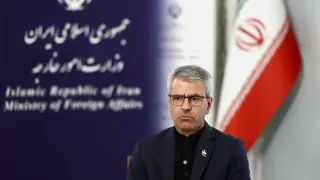
Iran’s foreign ministry spokesman Esmaeil Baghaei said talks will focus on ending the war and will not delve into Iran’s stockpile of enriched uranium for now; he called U.S. demands to temper Iran’s nuclear ambitions unreasonable and said nuclear discussions could occur later if a deal favorable to Iran is reached, as Pakistani mediators arrive to push talks.
Pope Leo XIV denounced the 'delusion of omnipotence' fueling the US-Israel war in Iran and urged leaders to pursue peace through dialogue, delivering a vigil at St. Peter's Basilica as U.S.-Iran talks resume in Pakistan and a fragile ceasefire holds; he warned that God does not bless war and called for prayers for peace, with the Vatican expressing concern about spillover into Christian communities in Lebanon.
Ukraine seeks rapid EU membership as a security guarantee, but accession is a lengthy, obstacle-filled process with economic and governance hurdles; negotiators are weighing options such as phased benefits and limiting Kyiv’s veto on key decisions.
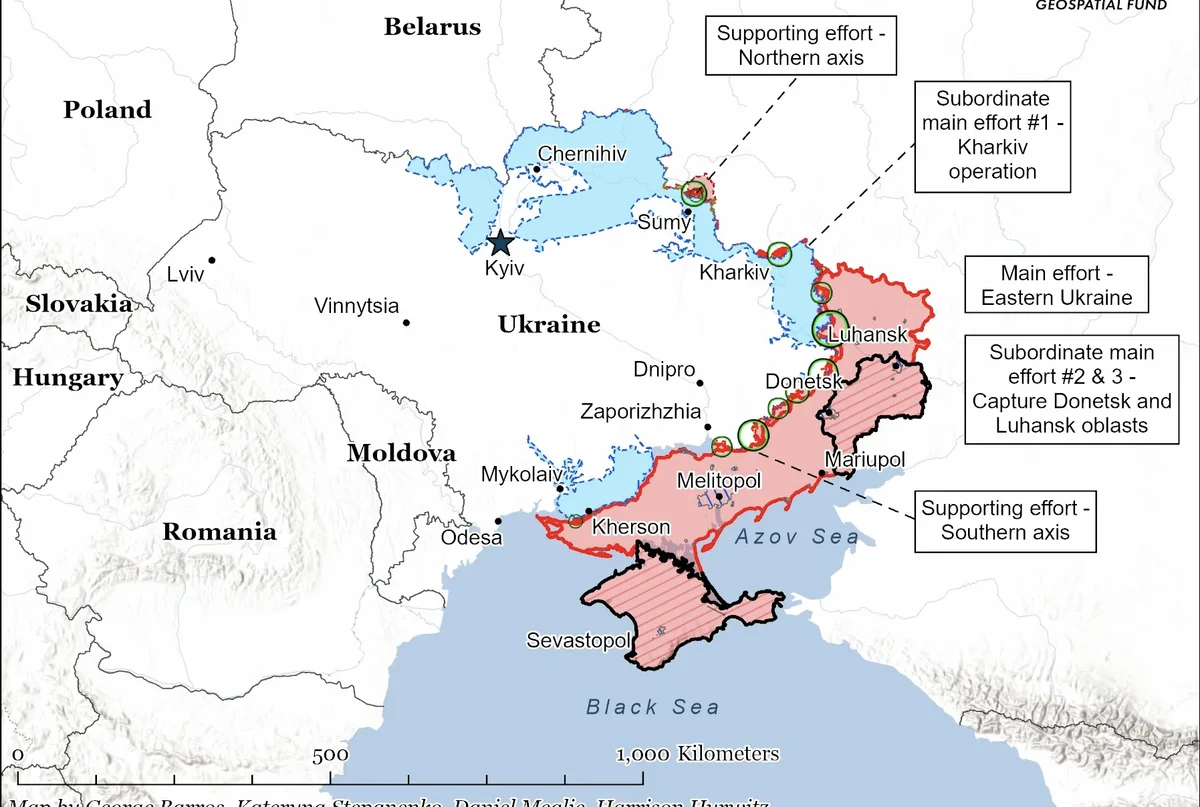
ISW reports Russia launched a major strike against Ukraine’s energy system, specifically targeting substations supporting nuclear power plants, while leveraging a temporary moratorium on strikes to stockpile drones and missiles for further attacks. The United States is pressuring Ukraine to move toward a peace deal, while Russia remains adamant that Kyiv concede fully. Separately, Russian forces have advanced near the Kostyantynivka–Druzhkivka area and near Pokrovsk, and a February 6 assassination attempt is said to have left GRU deputy head Vladimir Alekseyev alive.
ISW says the Kremlin rejects Rubio’s claim that Donetsk Oblast is the only unresolved issue in peace talks, arguing that many topics remain. Moscow reportedly agreed to a temporary pause on striking Ukrainian energy infrastructure at Trump’s request, but ISW views it as a limited concession while Russia continues offensives across multiple axes and pursues long-term aims in Donetsk, Kharkiv, Oskil River, and Zaporizhzhia. The report also notes ongoing alleged POW executions and other war crimes by Russian forces, and Belarus increasing military ties with Russia amid the conflict, with Ukraine facing continued energy outages.
Ukraine says Russia returned 1,000 Ukrainian bodies and took 38 in the latest exchange under a 2025 Istanbul deal, part of a long-running cycle of body and prisoner swaps as peace talks continue despite stalled progress and ongoing Ukrainian drone strikes and power outages.
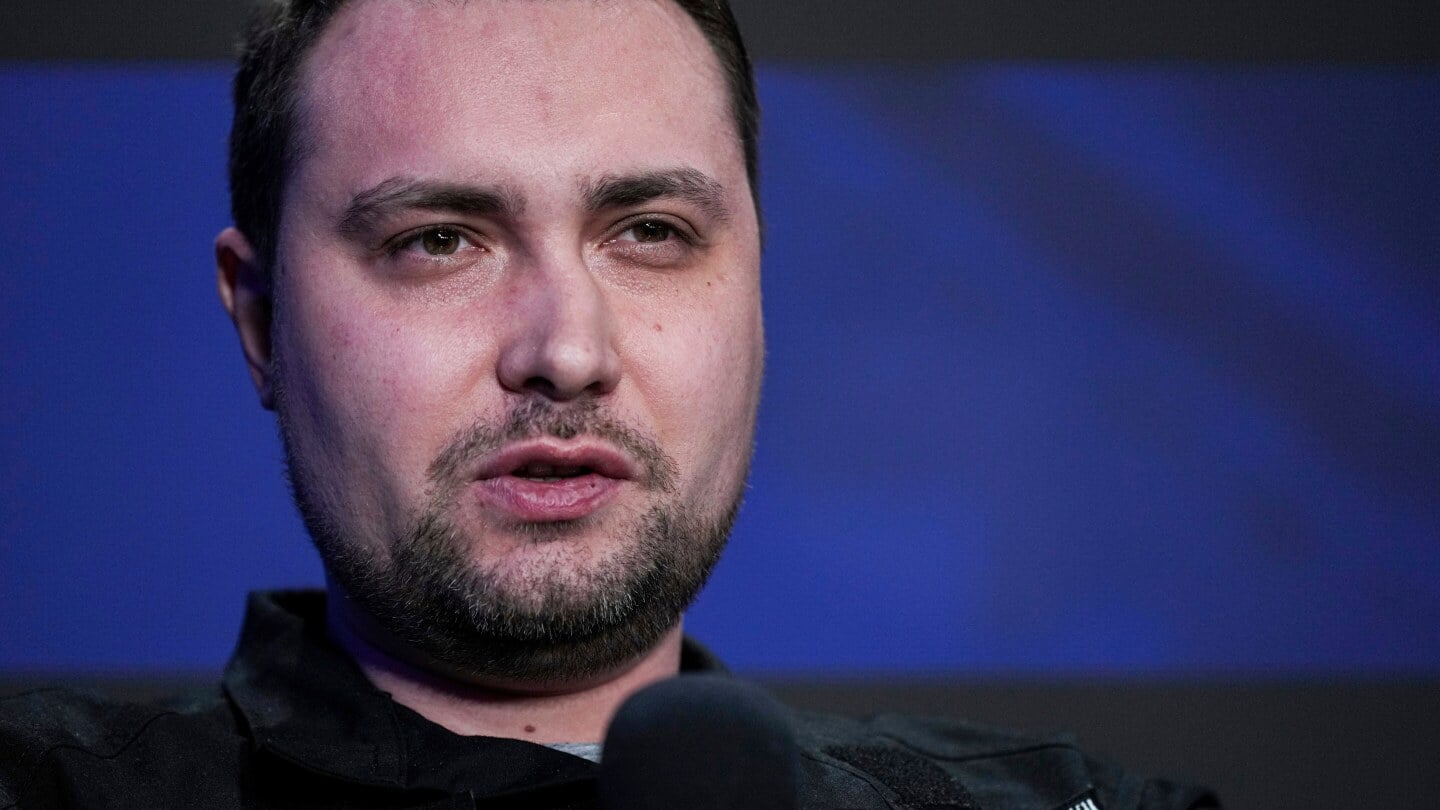
Ukrainian President Zelenskyy appointed Kyrylo Budanov, head of military intelligence, as his new chief of staff to focus on security and diplomacy amid ongoing conflict with Russia. Zelenskyy also proposed Mykhailo Fedorov as defense minister, while Ukraine continues to respond to Russian attacks and seeks progress in peace talks supported by the US and allies.
The EU's top diplomat dismisses Russian claims of a Ukrainian drone attack on Putin's residence as a distraction from peace efforts, while Russia presents dubious evidence of the incident. Ukraine and its allies deny the attack, and the situation remains tense with ongoing strikes and diplomatic efforts for peace.