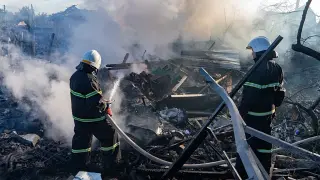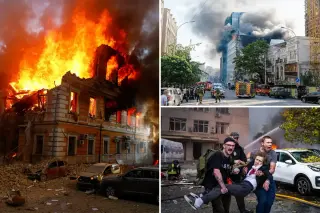
After a new wave of Russian strikes in Ukraine that killed civilians and hit civilian infrastructure, French President Emmanuel Macron announced that France will supply interceptor missiles to Ukraine to strengthen its air defenses as diplomacy continues.
Ukrainian drones hit a Russian oil refinery in the Samara region and a warehouse used by online retailer Ozon after Russia’s deadly strike on a Kryvyi Rih shopping centre killed 16. President Zelensky vowed retaliation as rescuers searched for survivors and Moscow reported casualties elsewhere.
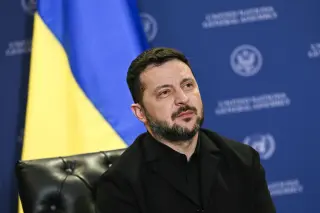
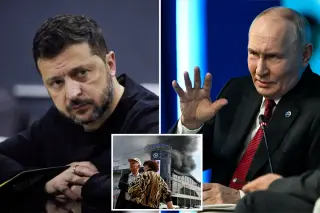
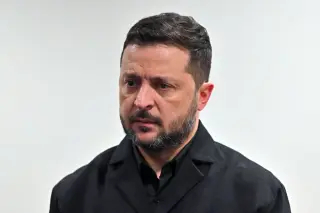
Zelensky, in his nightly address, mocked Putin’s reliance on North Korea after a Ukrainian drone strike more than 600 miles inside Russia killed 13 people and hit targets near Nizhnekamsk, warning that North Korea’s growing arsenal could threaten Asia as Moscow deepens ties with Pyongyang.
Zelensky alleged that North Korea plans to station 30,000–50,000 troops on Russian soil to fight in Ukraine, marking a dramatic expansion of Pyongyang’s support for Moscow; he said Moscow and Pyongyang had agreed to the deployment, though there was no confirmation from Russia or North Korea. He urged South Korea to boost air-defence cooperation and drones, noting Asia-wide implications of the move.
Zelensky says North Korea is preparing to deploy 30,000–50,000 troops to Russia to gain experience in the war, after Pyongyang missiles were found in Ukraine, as US intelligence warns Putin could consider a NATO strike in the near term.
Overnight Ukrainian drones struck Russian warehouses, including a Wildberries facility in the Tver region (no workers were injured); Russia reported fatalities in the Moscow region and said it downed hundreds of Ukrainian drones, as hostilities continued.
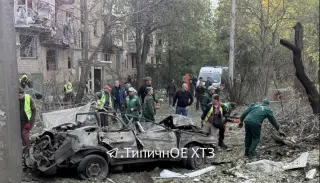
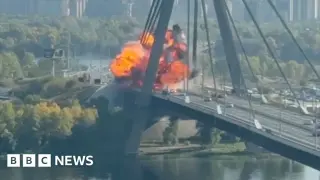
Russia launched one of its largest ballistic missile attacks on Kyiv, killing at least one and wounding 16 as 41 missiles hit across the city and fires broke out in several districts, while Ukraine said it struck Russian oil depots in Stavropol and three shadow‑fleet tankers; separate strikes hit oil tankers off Russia’s coast and a Turkish cargo ship, and Putin hosted North Korea’s Choe Son Hui in Moscow amid ongoing diplomacy.
Russia launched a large-scale ballistic missile strike on Kyiv—the highest such attack since the invasion began—firing around four dozen missiles, causing fires across several districts and leaving at least one dead and about 13 injured. Ukraine’s foreign minister said the assault targeted major logistics facilities, and President Zelensky urged a strong international response. Separately, Ukrainian drones hit Russian Wildberries warehouses near Kotovsk and Elektrostal, killing several workers and wounding dozens, while Kyiv also claimed strikes on Russian oil depots and tankers in the Black Sea as part of its broader campaign against Moscow’s war effort.
An on-the-ground account notes Russia’s mood has changed since the Ukraine war began: fuel shortages reveal economic strain, but daily life largely continues and the economy remains functional. Putin has consolidated power and opposition has been quelled, making a Soviet-style regime collapse unlikely in the near term, even as talks of recession and unrest surface amid ongoing Ukraine war dynamics and Western support for Kyiv.
President Zelenskyy removed defense minister Mykhailo Fedorov amid a government reshuffle, citing conflicts with army command and mobilization reform; Fedorov had driven tech-focused upgrades and drone capabilities but clashed with top generals, setting the stage for a new defense minister as the cabinet reshuffle unfolds.
Ukraine’s drone strikes hit the Moscow region, killing three people and injuring five as Kyiv also targets Russian oil facilities and shipping. Russia said air defences downed 81 drones overnight and warned of further action, while Western allies prepare to bolster Ukraine’s air-defence capabilities at a Paris summit.
From yearly visits since 2022, the author says Russia’s mood has shifted from cautious adaptation to strain amid fuel shortages tied to the Ukraine war. While Zelensky pursues victory and the West funds Ukraine, the piece argues that Putin’s regime remains tightly controlled and Russia’s economy still functions, aided by possible monetary easing and ruble adjustments. A Soviet-style collapse is unlikely in the near term, though public mood and economic pressures suggest growing unease.
At the NATO summit, Trump said the U.S. would license Ukraine to manufacture Patriot missile interceptors, arguing it would demonstrate magnanimity, but experts warn it wouldn’t quickly fix Ukraine’s air-defense gaps and would risk sensitive U.S. tech by creating a new production facility Russia could target. With Patriot stocks already depleted and replenishment not until 2029, and with strict licensing and security hurdles, the move could be slow-walked or impractical, offering limited strategic benefit while potentially benefiting defense contractors and exposing national-security risks.
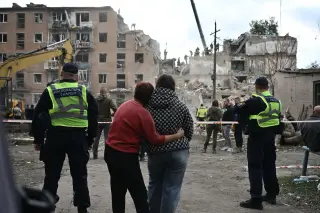
Russian missiles, drones and ballistic strikes hit Kyiv, killing seven and injuring dozens as rescue teams pulled people from damaged buildings; Zelensky had warned hours earlier of a massive attack, and the White House confirmed he would meet Donald Trump at a NATO summit in Turkey.
President Zelensky warned that Russia is preparing a massive attack as Russian strikes killed at least six people across Ukraine, including five in Zaporizhzhia and others near Sumy and Kherson, with residents urged to heed air-raid warnings amid ongoing fighting.