
Green rocks in Pyrenees cave reveal Copper Age copper-smelting site
TL;DR
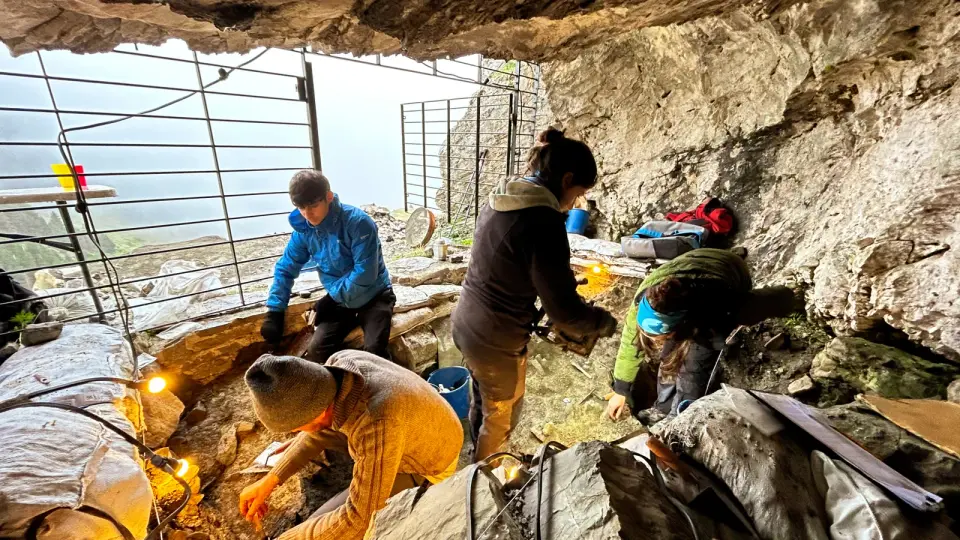
Archaeologists excavating a high-altitude cave in Girona, Spain (2,235 m/7,333 ft) uncovered nearly 200 malachite fragments, charcoal-rich pits, and other artifacts suggesting prehistoric people repeatedly processed green copper ore to extract copper, constituting a Copper Age copper-smelting camp active for more than 4,000 years, with intensive use between 3600–2400 BCE. The finds—human remains, animal bones, pottery, and cultural ornaments—indicate long-term occupation and resource exploitation in the Pyrenees, and researchers plan to confirm the malachite identification and continue excavations to understand the site’s purpose.
- Mysterious green rocks in Pyrenees cave hint that prehistoric people were working copper there for 4,000 years Live Science
- Above 2,000 meters: Cova 338 redefines Pyrenean prehistory UAB Barcelona
- Prehistoric child’s finger bone, bear tooth pendant, and more discovered in Spanish cave Popular Science
- Early Humans Returned to This Pyrenees Cave for 2,000 Years and Left Bones, Hearths, and Rare Jewelry Discover Magazine
- A prehistoric mining camp from 5,000 years ago found in a cave in the Pyrenees at over 2,000 meters of altitude La Brújula Verde
Want the full story? Read the original reporting
Read on Live Science