
Wyoming Farm Leverages Llama Tourism to Boost Local Economy
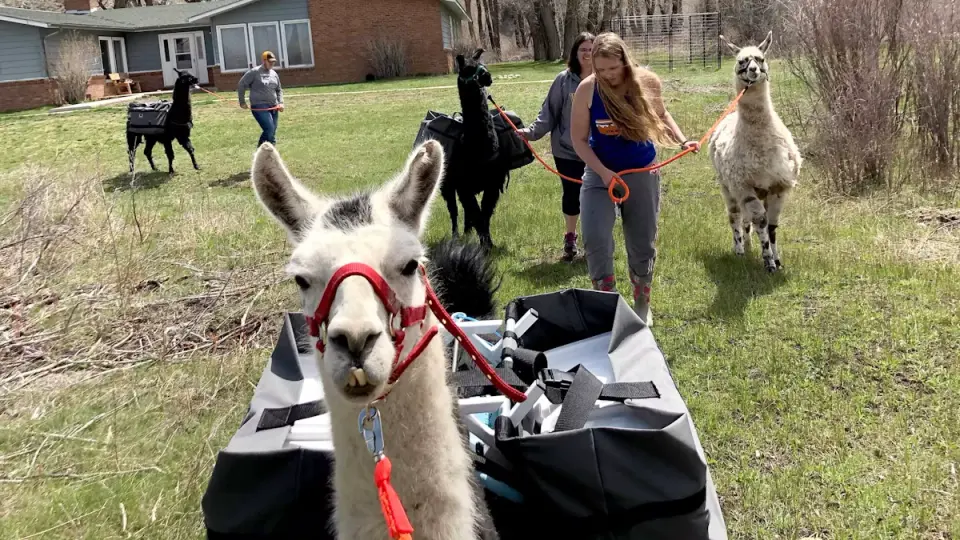
A farm in Elk Mountain, Wyoming, is increasingly attracting visitors specifically to see llamas, turning the animals into a significant tourism draw. This trend highlights a shift in rural economic strategies, where unique agricultural assets are leveraged for recreational tourism rather than traditional farming alone. The development aligns with broader national trends in 'tiny tourism' and experiential travel, where visitors seek authentic, local interactions over major landmarks. While the specific financial impact is not detailed, the growing popularity suggests a viable niche for rural businesses in Wyoming.
Key points
- Llamas have become a major attraction for tourists visiting a farm in Elk Mountain, Wyoming.
- The farm is leveraging its llama population to draw visitors, indicating a shift toward agricultural tourism.
- This trend supports the broader concept of 'tiny tourism,' where travelers seek local, authentic experiences rather than major sights.
- The development suggests a potential economic opportunity for rural Wyoming businesses to diversify revenue through unique animal attractions.
Background
Wyoming has seen various wildlife and tourism-related developments recently, including a rancher freeing an elk calf from barbed wire in August 2026 and reports of over 23,000 bird and bat deaths from wind farms in July 2026. These events highlight the state's complex relationship with wildlife and land use. The rise of llama tourism fits into a national trend of 'tiny tourism,' as noted in a July 2026 BBC article, which encourages visitors to engage with local, everyday experiences rather than just iconic landmarks. This approach may help rural areas like Elk Mountain attract visitors seeking authentic, off-the-beaten-path experiences.
Why it matters
The growth of llama tourism in Elk Mountain, Wyoming, indicates a shift in how rural communities can leverage unique local assets for economic benefit. By attracting visitors interested in experiential and 'tiny tourism,' farms can diversify their income beyond traditional agriculture. This trend may help sustain rural economies in Wyoming, where tourism is a key sector, and provides a model for other rural areas looking to capitalize on unique local features. It also reflects a broader national interest in authentic, local travel experiences, which can benefit small businesses and communities that might not otherwise attract large tourist crowds.
What to watch
The farm in Elk Mountain may continue to develop its llama tourism offerings, potentially adding more activities or amenities to attract visitors. Other rural businesses in Wyoming and beyond may look to similar models, leveraging unique local assets to draw tourists. The success of this approach could influence broader tourism strategies in rural areas, encouraging a focus on authentic, local experiences. Additionally, the trend may lead to increased interest in 'tiny tourism' and experiential travel, which could benefit small businesses and communities that offer unique, local attractions.
Want the full story? Read the original reporting
Read on cowboystatedaily.com