
UK cinemas to screen 'How Deep Is Your Love' documentary on Pacific deep-sea mining
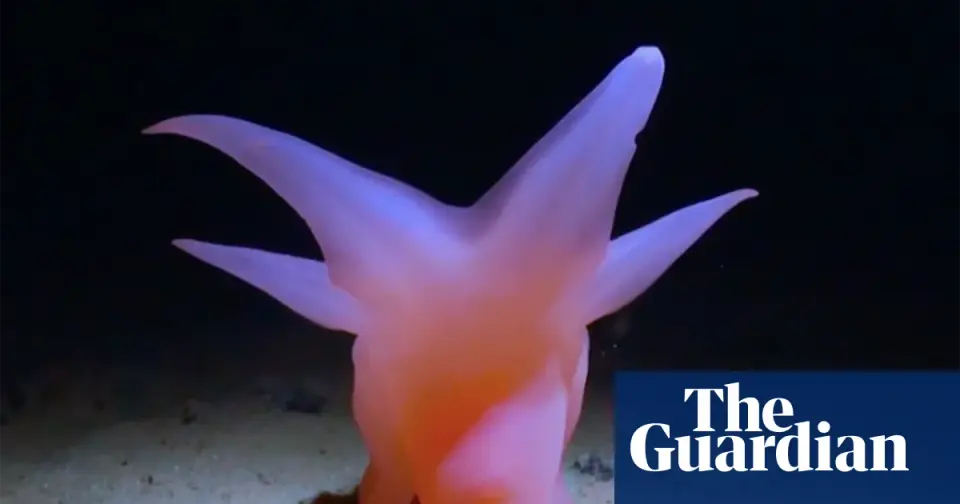
A new documentary titled 'How Deep Is Your Love' opens in UK cinemas on 2 October, following a Natural History Museum research team to the Clarion Clipperton Zone in the Pacific. The film uses an underwater robot named Isis to explore the abyssal plain, highlighting the race to identify new species before industrial mining potentially destroys fragile ecosystems. Director Eleanor Mortimer aims to foster empathy for deep-sea life rather than adopting a traditional activist or nature-documentary style.
Key points
- The documentary 'How Deep Is Your Love' will be shown in selected UK cinemas starting 2 October.
- It follows a 12-day expedition by the Natural History Museum to the Clarion Clipperton Zone, a biodiversity-rich area between Hawaii and Mexico.
- The film features an underwater robot named Isis, which takes five hours to descend 5 kilometers to the seabed.
- Scientists are racing to identify new species, noting that only 0.001% of the deep sea floor has been observed by humans.
- The International Seabed Authority in Jamaica is featured, having recently concluded negotiations without a regulatory framework for mining.
- Director Eleanor Mortimer describes the film as an ode to taxonomists and a way to connect audiences with the deep sea.
Background
This release follows earlier cultural and environmental discussions in 2026, including the Stevie Wonder anniversary tour and Warhammer 40,000 product releases, but stands distinct as a focus on marine conservation. The archive does not contain prior coverage of this specific documentary or the Clarion Clipperton Zone mining debates, making this a new development in the cultural and environmental news cycle.
Why it matters
The documentary highlights the urgent tension between scientific discovery and industrial exploitation in the deep sea. By showcasing the slow process of species identification and the lack of regulatory frameworks at the International Seabed Authority, it underscores the potential for irreversible ecological damage if mining proceeds without adequate environmental thresholds.
What to watch
The film will be available in UK cinemas from 2 October. Audiences will see the results of the Natural History Museum's expedition and the philosophical questions posed by the director regarding humanity's relationship with the deep sea.
Want the full story? Read the original reporting
Read on The Guardian