Tag

Deep Sea Mining

All articles tagged with #deep sea mining

Atlantic’s ‘Lost City’ Hydrothermal Field Offers Clues to Alien Life
science-and-tech9 days ago

Atlantic’s ‘Lost City’ Hydrothermal Field Offers Clues to Alien Life

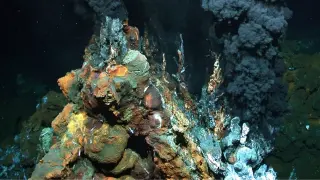
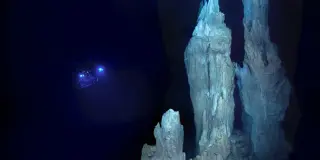
A unique hydrothermal field in the Atlantic, known as the 'Lost City,' features towering carbonate structures and supports life without sunlight. Discovered in 2000, it is the longest-lived venting environment on Earth. While it offers insights into potential life on other planets, it faces threats from deep-sea mining rights granted to Poland in 2018. Conservationists are calling for World Heritage status to protect the site.

UK cinemas to screen 'How Deep Is Your Love' documentary on Pacific deep-sea mining
culture16 days ago

UK cinemas to screen 'How Deep Is Your Love' documentary on Pacific deep-sea mining

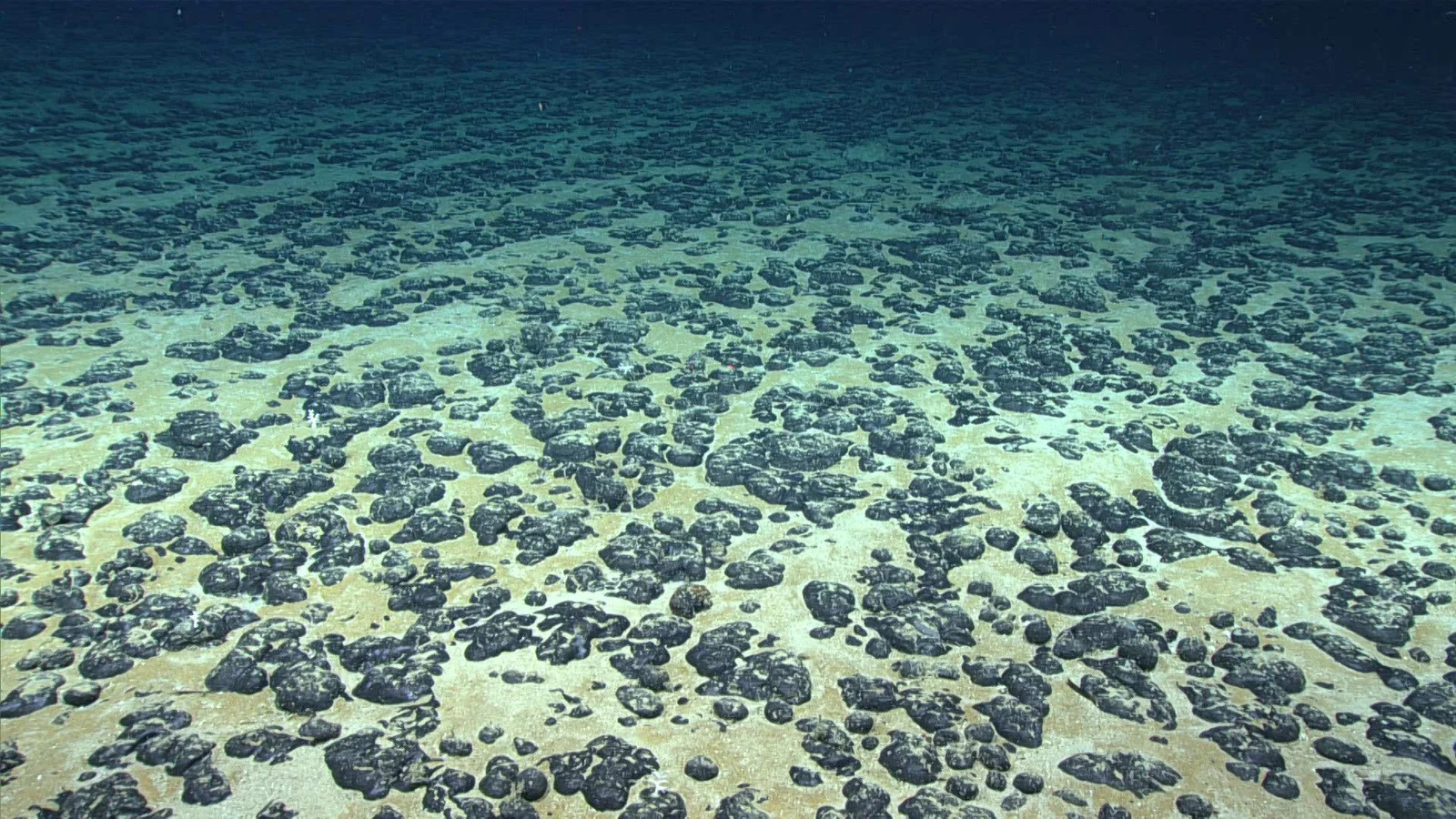
A new documentary titled 'How Deep Is Your Love' opens in UK cinemas on 2 October, following a Natural History Museum research team to the Clarion Clipperton Zone in the Pacific. The film uses an underwater robot named Isis to explore the abyssal plain, highlighting the race to identify new species before industrial mining potentially destroys fragile ecosystems. Director Eleanor Mortimer aims to foster empathy for deep-sea life rather than adopting a traditional activist or nature-documentary style.

Real Gold Lurks Inside Fool’s Gold at Deep-Sea Vents
earth-science2 months ago

Real Gold Lurks Inside Fool’s Gold at Deep-Sea Vents

Japanese scientists aboard the Shinsei Maru found real gold embedded in pyrite near Higashi‑Aogashima Knoll’s hydrothermal vents, with concentrations up to 1.9% by weight—far higher than other deep‑sea deposits—trapped in colloform pyrite formed by vent fluids and arsenic-rich minerals; detected using secondary ion mass spectrometry (SIMS). This “invisible gold” could guide future deep‑sea exploration and mining.

Japan Seafloor Gold Hits Record Levels, Sparking Deep-Sea Mining Debate
science3 months ago

Japan Seafloor Gold Hits Record Levels, Sparking Deep-Sea Mining Debate

Researchers analyzing Higashi-Aogashima hydrothermal vents off Japan found extremely high concentrations of gold trapped inside pyrite nanoparticles, the highest ever recorded, suggesting a potential new source for underwater mining but also raising environmental and feasibility concerns; the findings, published in Scientific Reports, come amid ongoing debate and moratoriums on deep-sea mining, with no commercial mine in operation yet.

Dark Oxygen in the Deep: Pacific Seafloor Nodules Spark Scientific Debate
science3 months ago

Dark Oxygen in the Deep: Pacific Seafloor Nodules Spark Scientific Debate

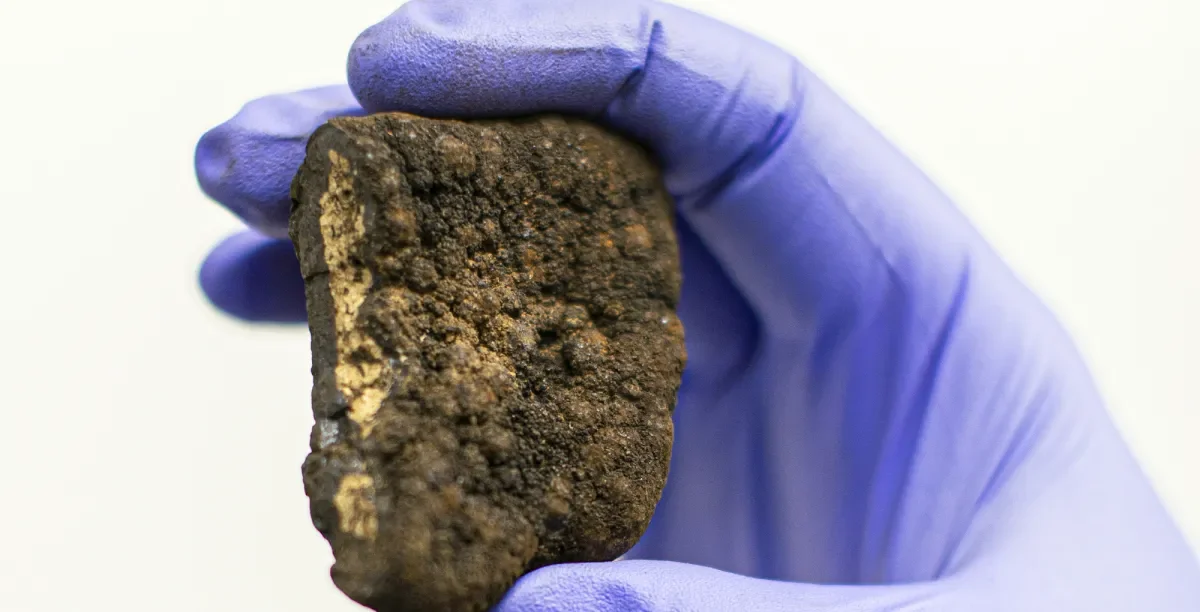
In 2024 a Nature Geoscience study reported rising oxygen levels inside sealed chambers placed over deep-sea nodules in total darkness, hinting at local oxygen production by the seafloor—potentially via electrolysis. If real, this would challenge the view of the abyss as a strict oxygen sink and have implications for deep-sea ecology and mining. By 2026, however, the finding was contested, with critiques pointing to experimental artefacts and calling for replication and tighter controls before drawing broader conclusions.

Only a sliver of Earth's deep ocean has ever been seen by humans, study finds
science4 months ago

Only a sliver of Earth's deep ocean has ever been seen by humans, study finds

A May 2025 Science Advances study led by Katy Croff Bell finds humans have visually observed about 0.001% of the deep ocean floor—roughly 3,823 square kilometers—with most dives clustered in five countries’ EEZs and many from older, low‑resolution footage. Vast regions remain unseen, biased toward shallower depths and coastal areas, raising concerns about biodiversity, carbon cycling, and the ecological risks of future deep-sea mining. A 2026 follow‑up maps 10,000 priority targets to guide more representative, cost‑effective exploration using modern tech.

Deep-sea biodiversity warns against rushing seafloor mining
environment5 months ago

Deep-sea biodiversity warns against rushing seafloor mining

An analysis by Andrew D. Thaler argues that the highly interconnected and fragile ecosystems around hydrothermal vents (exemplified by Solwara I off Papua New Guinea) are unlikely to withstand mining, and that even optimistic scenarios would cause unacceptable harm. The piece notes the Solwara I project failed and PNG’s moratorium on deep-sea mining, while highlighting a renewed U.S. push to permit seabed mining. It cautions that ongoing discovery of new deep-sea life would be jeopardized by premature exploitation, urging cautious governance and more study before rushing to mine the deep ocean.

New Deep-Sea Evolutionary Branch Found as Mining Push Advances
science6 months ago

New Deep-Sea Evolutionary Branch Found as Mining Push Advances

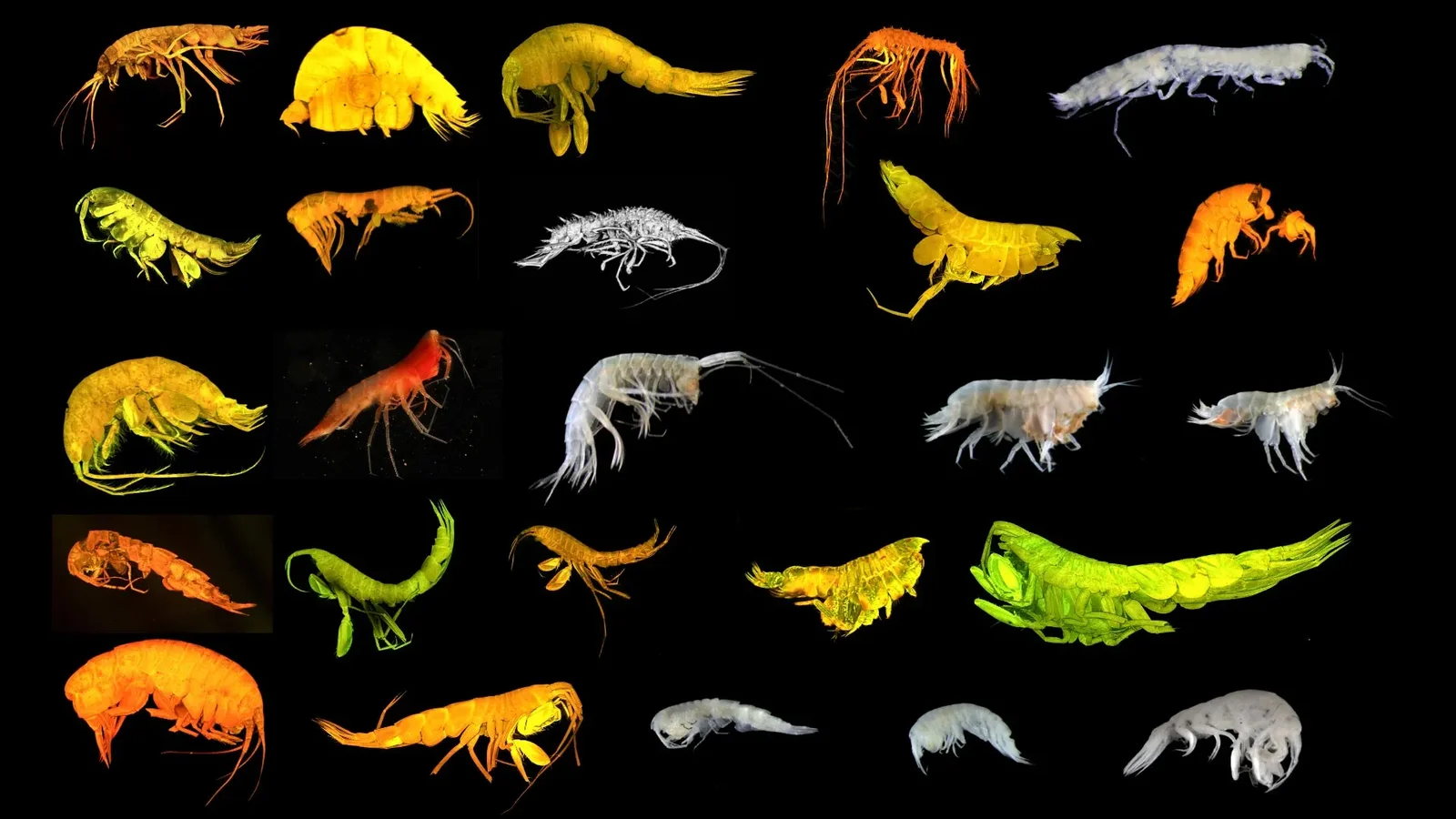
Scientists identify 24 new deep-sea species and a new superfamily in the Clarion Clipperton Zone, underscoring how a regulatory gap and NOAA’s fast-tracked mining permits could threaten unknown life as commercial extraction expands; naming these species provides them a “passport for living” in scientific discourse, but most CCZ species remain unnamed, complicating policy decisions amid observed environmental costs from early mining tests.

Experts challenge deep-sea 'dark oxygen' claim, call for retracting 2024 study
planet-earth6 months ago

Experts challenge deep-sea 'dark oxygen' claim, call for retracting 2024 study

A 2024 study claimed that deep-sea polymetallic nodules could generate oxygen in total darkness via seawater electrolysis, but a December 2025 opinion article from marine scientists and electrochemists argues the results are flawed and likely artifacts, citing improper chamber ventilation, absence of negative controls, missing hydrogen data, and a thermodynamics violation; the authors defend their work and plan a spring CCZ expedition to test the phenomenon, but many experts say the study should be retracted unless the evidence is revised.

Trump accelerates deep-sea mining push, drawing global backlash
news8 months ago

Trump accelerates deep-sea mining push, drawing global backlash

The Trump administration unveiled a consolidated permitting process to search for and commercially extract minerals on the deep seabed, including areas beyond national jurisdiction, and shortened environmental reviews by allowing exploration and recovery licenses to be filed together. The move, framed as countering China’s influence, has sparked international and scientific condemnation for potentially bypassing UNCLOS/ISA rules and risking unknown impacts on oceans and coastal communities, even as some companies pledge not to source from the deep sea.

Deep-Sea Mission Set to Verify Dark Oxygen From Ocean Nodules
science8 months ago

Deep-Sea Mission Set to Verify Dark Oxygen From Ocean Nodules

Scientists plan two 11-km-deep landers in the Clarion-Clipperton Zone to test whether metallic seabed nodules emit oxygen, a controversial claim dubbed 'dark oxygen.' The study, which could reshape ideas about life's origins, will measure seafloor respiration and rule out buoyant air artefacts while contending with mining industry skepticism; results are expected within days of deployment, with broader analyses following the ship’s June return.

Underwater Eruption Chokes Marine Life with Ash Clouds
science1 year ago

Underwater Eruption Chokes Marine Life with Ash Clouds

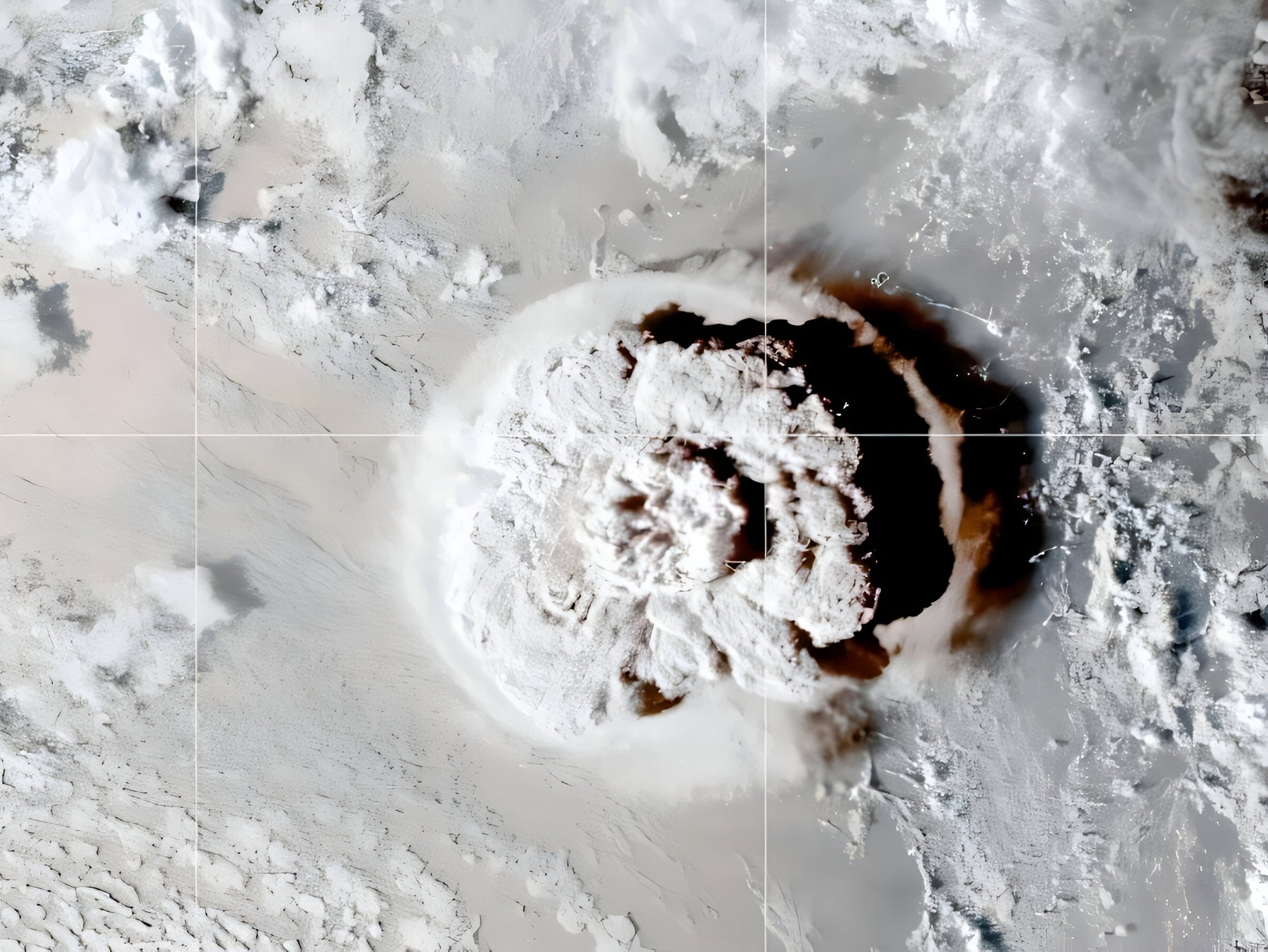
The 2022 eruption of the Hunga volcano caused significant ash deposition on the seafloor, damaging deep-sea ecosystems and affecting Tonga's coral reefs and local livelihoods. The study highlights the environmental impact of underwater volcanic activity and raises concerns about future deep-sea mining, which could cause similar or greater ecological harm.

Decades After 1979 Deep-Sea Mining, Pacific Ocean Remains Severely Damaged
science1 year ago

Decades After 1979 Deep-Sea Mining, Pacific Ocean Remains Severely Damaged

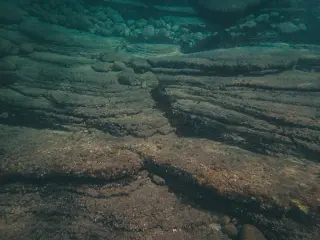
A 1979 deep-sea mining experiment in the Pacific's Clarion-Clipperton Zone left lasting scars on the seafloor, with visible damage still evident 44 years later. While some small organisms are beginning to recolonize the area, the recovery of larger, stationary species is slow, raising concerns about the ecological impacts of future large-scale mining operations in this fragile ecosystem.

Unveiling the Mysterious Submarine 'Lost City'
science1 year ago

Unveiling the Mysterious Submarine 'Lost City'

The Lost City, an extraordinary underwater hydrothermal field located deep beneath the ocean near the Mid-Atlantic Ridge, features towering carbonate structures and unique microbial ecosystems that have existed for over 120,000 years. Its discovery offers insights into the origins of life and the potential for extraterrestrial life, but it faces threats from proposed deep-sea mining, prompting calls for its protection as a natural heritage site.