
Third patient implanted with wireless brain vision device advances artificial sight
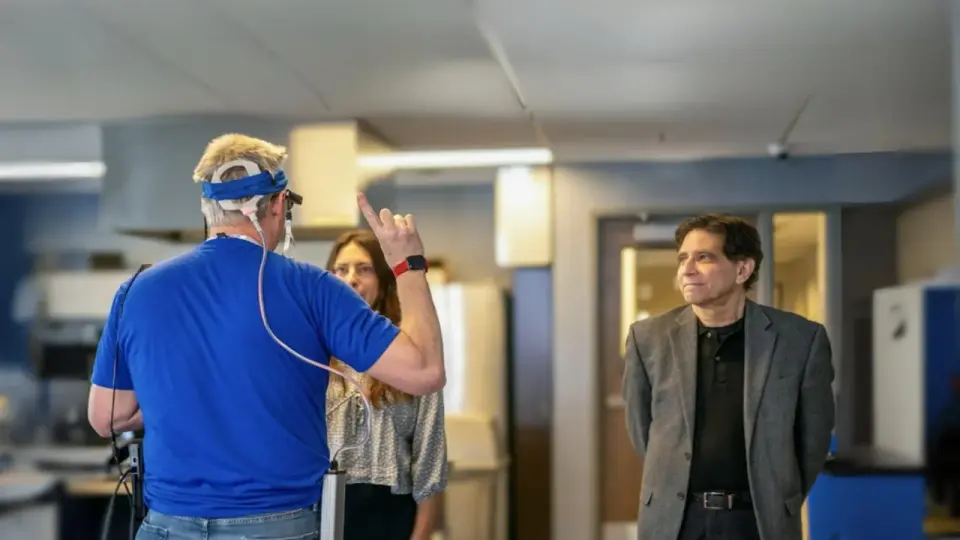
A wireless intracortical visual prosthesis (ICVP) has been implanted in a third blind participant, delivering artificial vision by directly stimulating the brain’s visual cortex instead of the retina. The Rush University procedure involved 34 wireless stimulators and 544 electrodes, part of a multi-institution clinical trial led by IIT, Johns Hopkins Wilmer Eye Institute, and the University of Chicago. After ~four weeks of recovery, the participant will begin training to translate brain signals into usable vision. The study aims to assess usability, safety, and long-term outcomes over one to three years, with ongoing recruitment for more volunteers who lost vision in adulthood but had early sight, to test scalability and future clinical adoption.
- New wireless visual cortex implant helps restore artificial sight Interesting Engineering
- Brain implant delivers artificial sight to people with complete blindness Engineering and Technology Magazine
- Third successful implantation of wireless visual prosthesis brain implant advances the frontier of artificial vision EurekAlert!
Want the full story? Read the original reporting
Read on Interesting Engineering