Tag

Vision Restoration

All articles tagged with #vision restoration

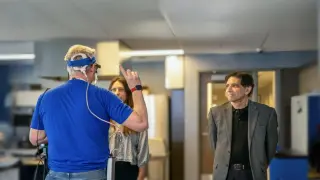
Third patient implanted with wireless brain vision device advances artificial sight
health22 days ago

Third patient implanted with wireless brain vision device advances artificial sight

A wireless intracortical visual prosthesis (ICVP) has been implanted in a third blind participant, delivering artificial vision by directly stimulating the brain’s visual cortex instead of the retina. The Rush University procedure involved 34 wireless stimulators and 544 electrodes, part of a multi-institution clinical trial led by IIT, Johns Hopkins Wilmer Eye Institute, and the University of Chicago. After ~four weeks of recovery, the participant will begin training to translate brain signals into usable vision. The study aims to assess usability, safety, and long-term outcomes over one to three years, with ongoing recruitment for more volunteers who lost vision in adulthood but had early sight, to test scalability and future clinical adoption.

Pocket-friendly gel revives vision in seven of eight eyes with chronic low pressure
science1 month ago

Pocket-friendly gel revives vision in seven of eight eyes with chronic low pressure

Repeated injections of a cheap clear surgical gel (hydroxypropyl methylcellulose) re-inflated eyes collapsed by chronically low pressure and restored usable vision in seven of eight patients at Moorfields Eye Hospital. The gel’s transparency lets clinicians monitor the retina, offering a potential, less risky alternative to silicone oil. Side effects included inflammation and transient vision loss in some cases but were reversible; larger trials are needed to confirm safety and how long the benefits last.

Innovative Eye Implants Restore Vision in Patients with Irreversible Loss
health7 months ago

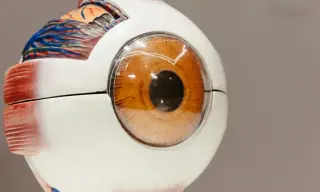
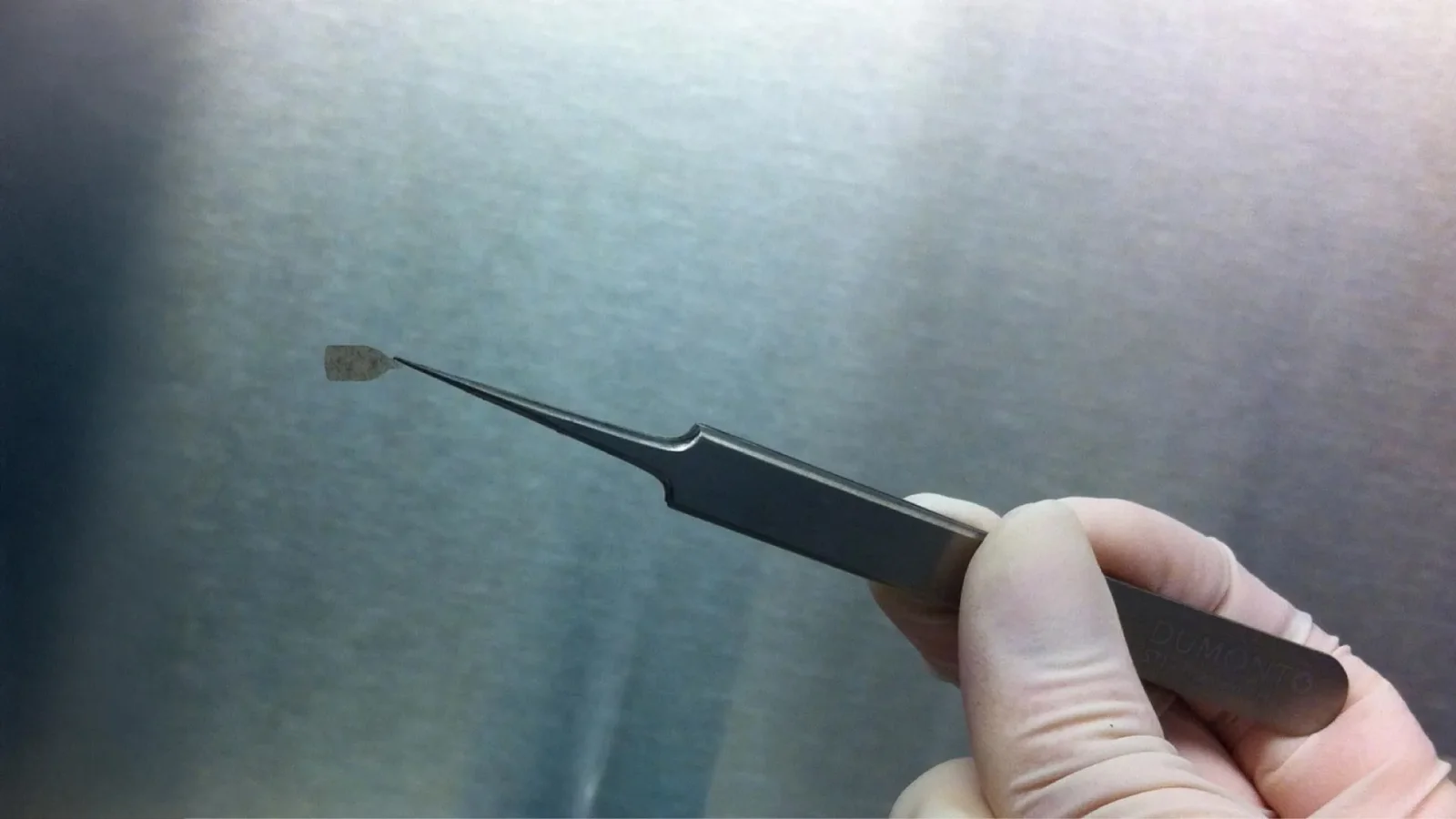
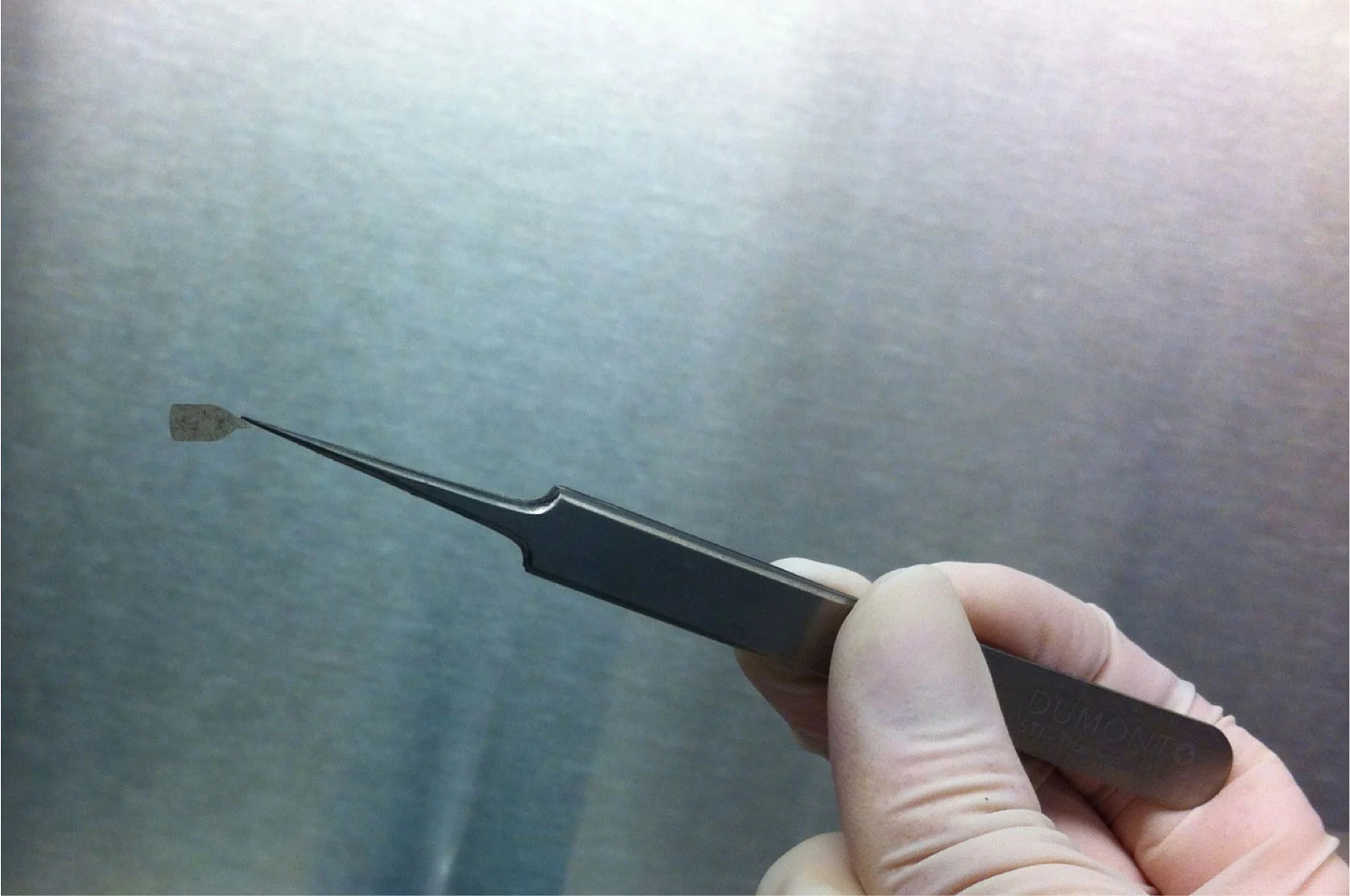
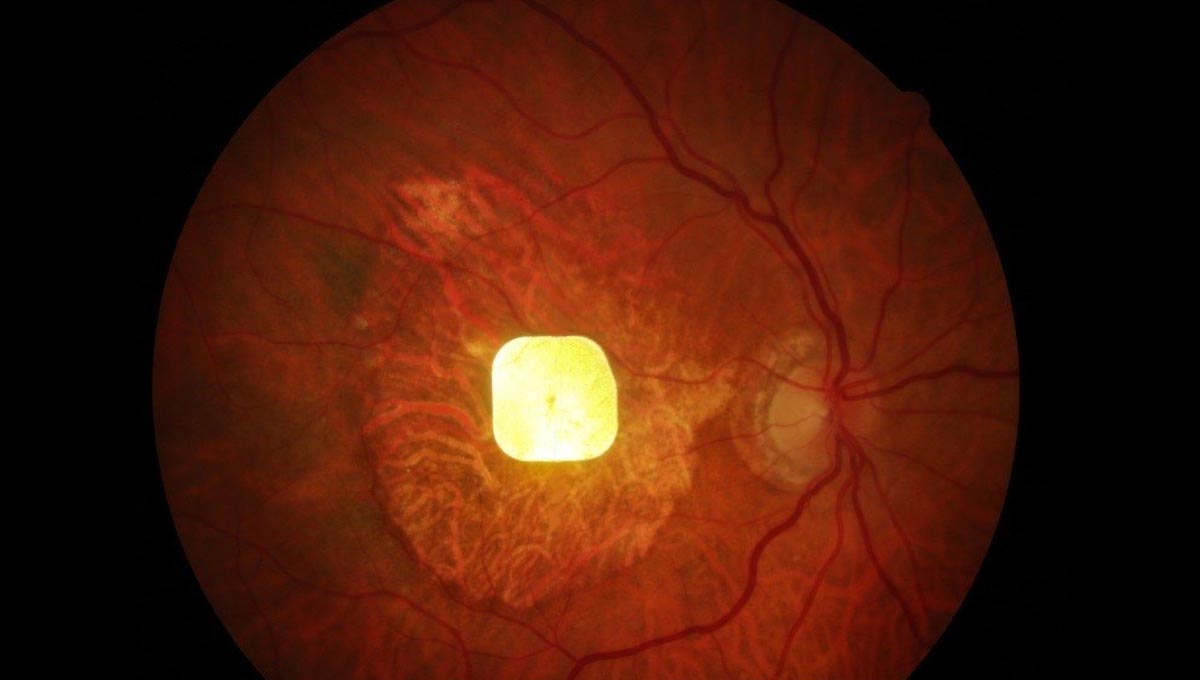
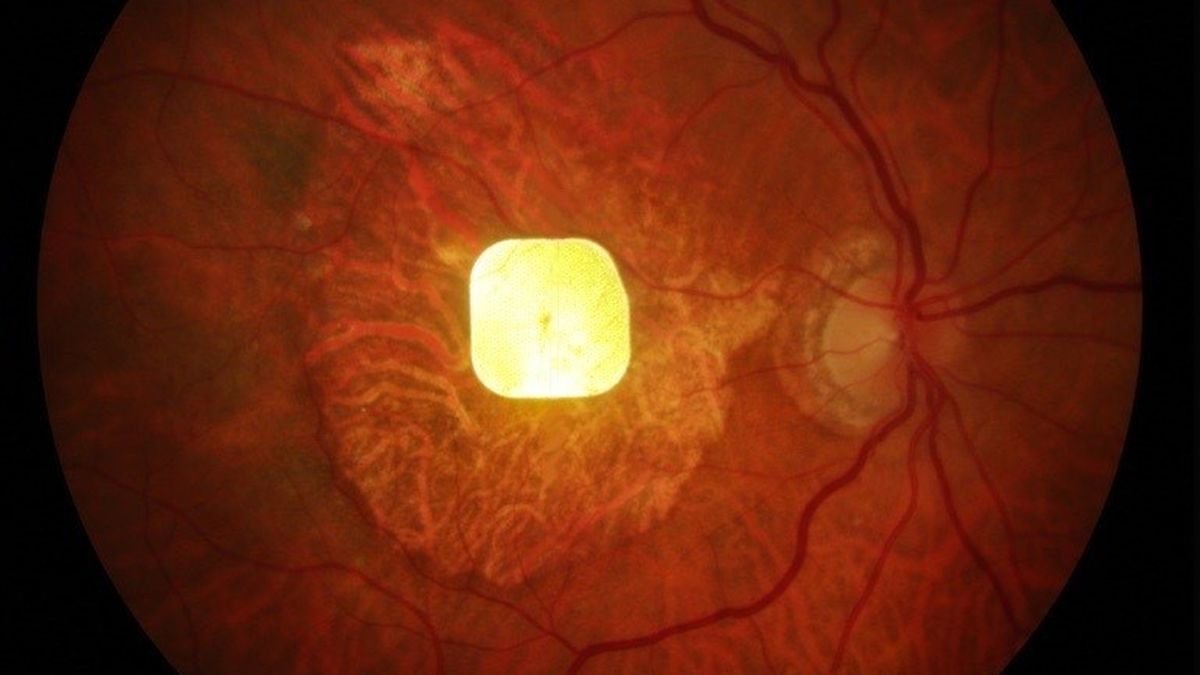
Innovative Eye Implants Restore Vision in Patients with Irreversible Loss

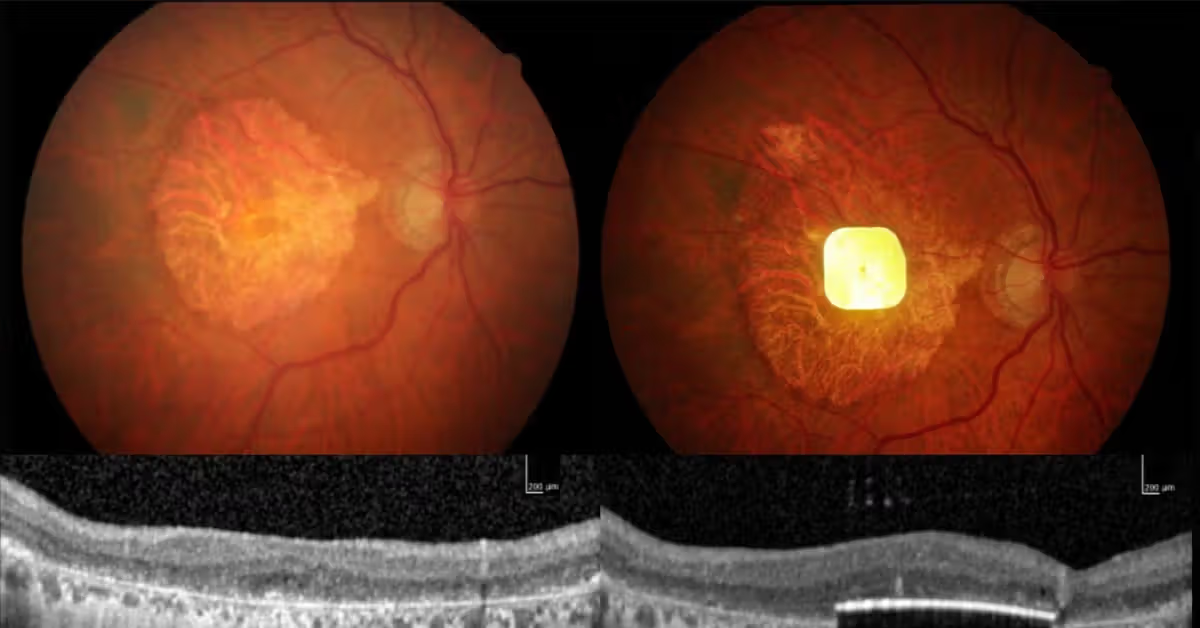
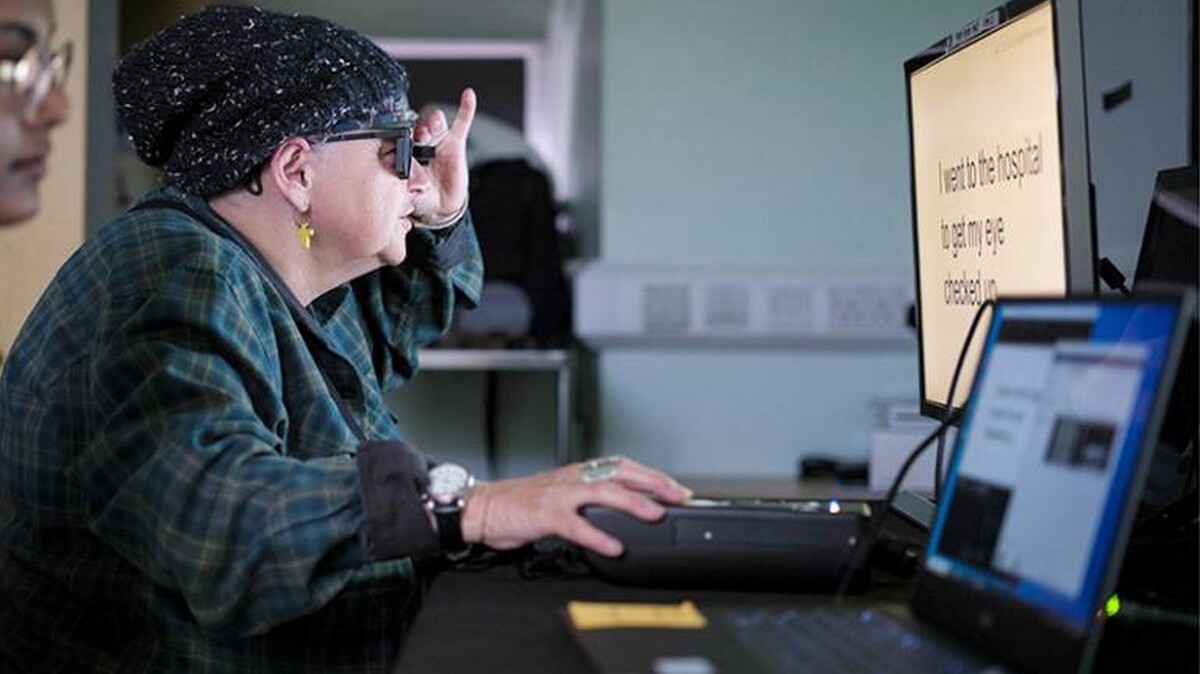
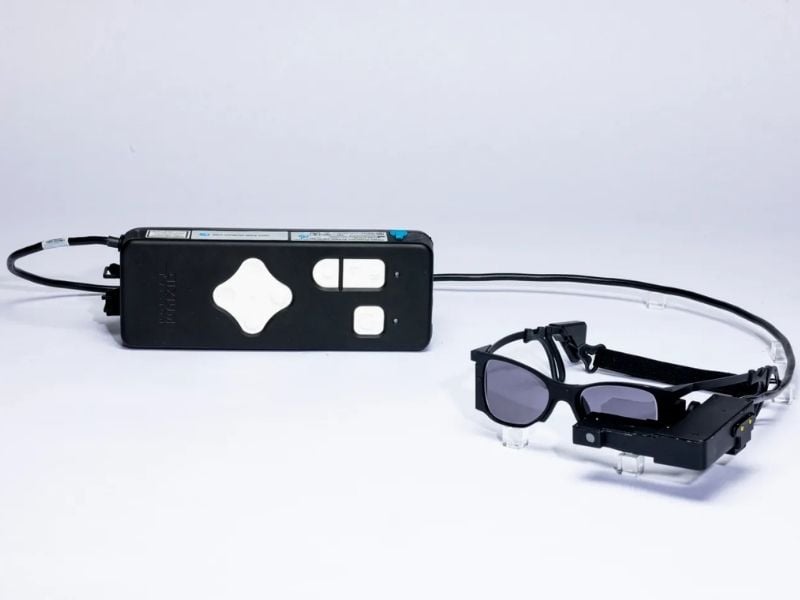
A new wireless retinal implant called PRIMA shows promise in restoring central vision in patients with advanced age-related macular degeneration (AMD), specifically geographic atrophy, with over 80% of trial participants experiencing meaningful improvements in visual acuity and reading ability after one year, although further research is needed to assess long-term safety and efficacy.