
Staten Island’s Wild Turkey Population Defies Decades of Control Efforts
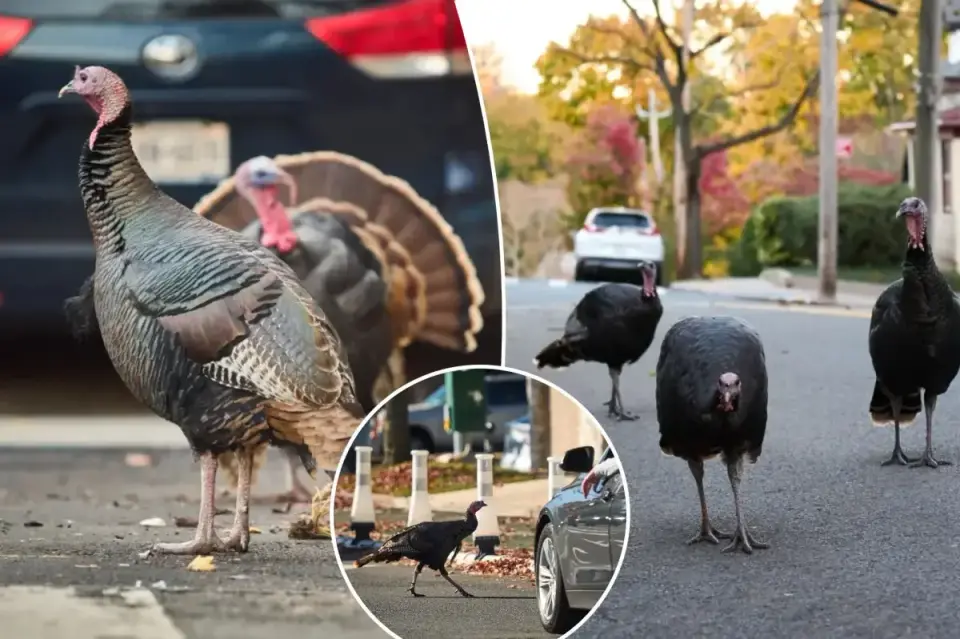
Hundreds of wild turkeys have established a permanent presence across Staten Island, causing traffic delays and property damage. Despite relocation attempts and public frustration, the birds remain due to failed regulatory approvals and ethical concerns over culling.
Key points
- Wild turkeys, originating from nine pets released in 1999, now number in the hundreds and dominate streets near Staten Island University Hospital.
- The birds cause significant traffic backups, with drivers forced to stop for birds that can sprint at 25 mph, leading to road rage incidents.
- Borough President Vito Fossella noted that a 2000s plan to relocate the flock to Maryland was blocked by state environmental officials, allowing the population to boom.
- Relocation efforts between 2014 and 2019 moved approximately 200 birds to Catskill, but the overall population continues to expand into new neighborhoods.
- City officials advise coexistence, prohibiting feeding and requiring licensed operators for nuisance control, as hunting is banned within city limits.
Background
Staten Island has long struggled with wildlife management, including a successful deer sterilization program that reduced the deer population by 15 percent between 2017 and 2019. The current turkey issue mirrors previous challenges with invasive species, where initial containment efforts failed due to regulatory hurdles. The borough’s unique geography and lack of natural predators have allowed these populations to thrive despite urban density.
Why it matters
The uncontrolled growth of wild turkeys highlights the complexities of urban wildlife management in dense metropolitan areas. The failure of past relocation and culling efforts demonstrates the difficulty of balancing public safety, ethical concerns, and environmental regulations. As the population expands, the strain on infrastructure and the potential for human-wildlife conflict will likely increase, requiring new strategies for coexistence.
What to watch
City officials are currently exploring new solutions but face no immediate remedy. Residents are advised to avoid feeding the birds and to contact licensed wildlife operators for nuisance issues. The borough continues to manage the population through coexistence policies while monitoring the expansion into other neighborhoods.
Want the full story? Read the original reporting
Read on New York Post