
German Neuroscience Lab Replaces Presentations with Silent Memo Reading to Boost Clarity
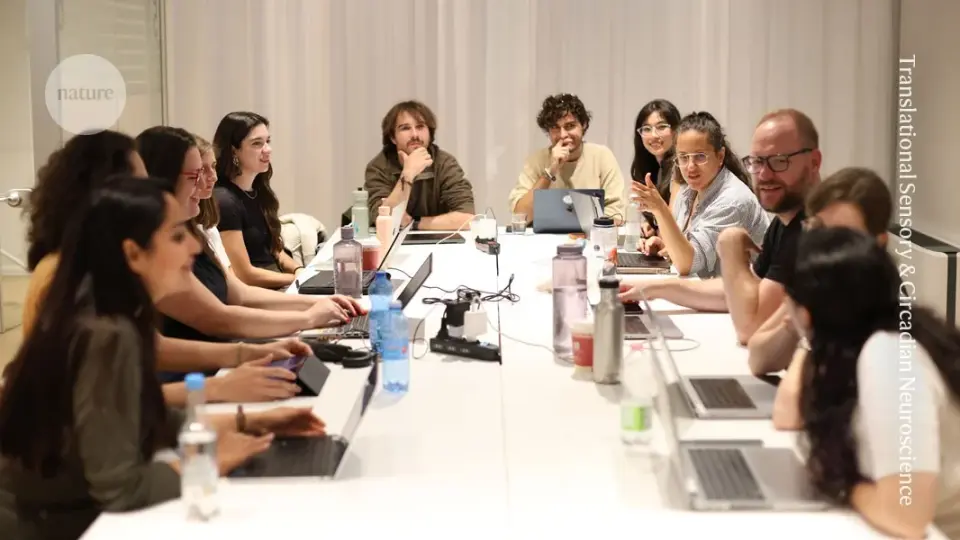
A neuroscience group in Germany has replaced traditional slide presentations with a 'memo meeting' format, where members read a six-page written document in silence before discussing it. This shift, inspired by corporate practices, aims to improve intellectual precision and equalize participation among diverse research teams.
Key points
- The Translational Sensory & Circadian Neuroscience Unit at the Technical University of Munich and Max Planck Institute adopted a monthly 'memo meeting' format in April 2024.
- The format involves a 20-minute silent reading period followed by a 70-minute discussion, replacing standard slide-based presentations.
- Since implementation, the group has produced approximately 50,000 words of memos, covering topics from experimental design to personal career uncertainties.
- The approach is based on the premise that text has higher information density than slides, forcing authors to clarify gaps in their understanding through precise writing.
- The method levels the intellectual playing field by ensuring all members engage with the same material simultaneously, preventing distractions and passive listening.
Background
This development follows a broader trend in academic and corporate settings seeking to optimize meeting efficiency. The practice mirrors the 'six-page memo' system introduced by Amazon in 2004, which prioritizes written narrative over visual presentations to enhance decision-making. While the specific efficacy of this format in scientific labs has not been empirically tested, it is well-established in corporate environments and is now being adapted to address the unique challenges of interdisciplinary research groups.
Why it matters
This shift highlights a growing recognition that traditional presentation formats can obscure uncertainty and create hierarchies in academic labs. By requiring full-sentence writing, researchers are forced to confront gaps in their logic, leading to more rigorous thinking. Furthermore, the silent reading component ensures that junior members and those with different methodological backgrounds have equal access to the information, fostering a more open and collaborative culture within the lab.
What to watch
The lab continues to use this format monthly, supplementing weekly logistical check-ins. The group has not enforced a strict template but has observed a common structure emerging: memos begin by posing a problem and end with questions to be answered during the discussion. The success of this model may inspire other research groups to adopt similar text-based communication strategies to improve clarity and inclusivity.
Want the full story? Read the original reporting
Read on Nature