science-and-academia8 min read
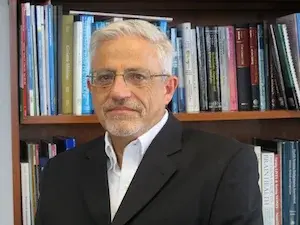
Retractions for Former NIH Neuroscientist Eliezer Masliah Reach 32 Amid Misconduct Findings
10 days ago•Source: Retraction Watch
View original source
The latest science and academia stories, each synthesized from multiple sources with added background and context.
An Elsevier journal has retracted 13 papers published between 2019 and 2023 due to suspicious authorship changes, self-plagiarism, and irrelevant citations. Four of the retracted articles involved Huiling Chen, a former co-editor-in-chief. The journal cited peer reviewers requesting irrelevant references during the review process, while Chen argued the citations were added during revisions to provide context.
Nature•1 month ago

Retraction Watch’s latest weekend roundup highlights three major integrity issues: a Japanese institute defending a Nobel laureate against image duplication claims, a former Stanford president releasing emails to refute fraud allegations, and a cardiologist facing criticism for undisclosed financial ties to a drug manufacturer. The digest also notes Elsevier’s delayed investigation into retracted papers and rising AI usage in biomedical research.

The Center for iPS Cell Research and Application (CiRA) at Kyoto University has issued a strong defense of Nobel laureate Shinya Yamanaka following a report by short-selling firm Gotham City Research alleging image manipulation in ten papers. CiRA argues that the allegations conflate distinct cases and lack sufficient evidence, while Gotham claims the findings demonstrate a pattern of misconduct. The dispute highlights tensions between financial short-sellers and academic institutions regarding data integrity in stem cell research.
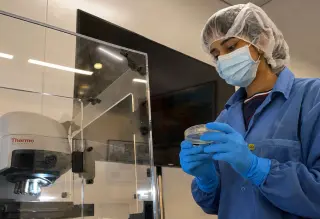
Rishika Porandla, a Princeton sophomore, voluntarily retracted a 2024 journal article she authored as a high school student after discovering critical methodological errors during a university course. The paper, published in Macromolecular Materials and Engineering, claimed a new process for biodegrading polyvinyl chloride using gold nanoparticles and electron beams. Porandla identified that the study failed to independently verify electron-beam exposure times and that gold nanoparticles were not uniformly dispersed in the plastic matrix. She contacted the publisher, Wiley, leading to a retraction in May 2026. The journal has encouraged her to resubmit a corrected version. Porandla’s action highlights the rarity of self-retractions and the importance of rigorous validation in early-career research.
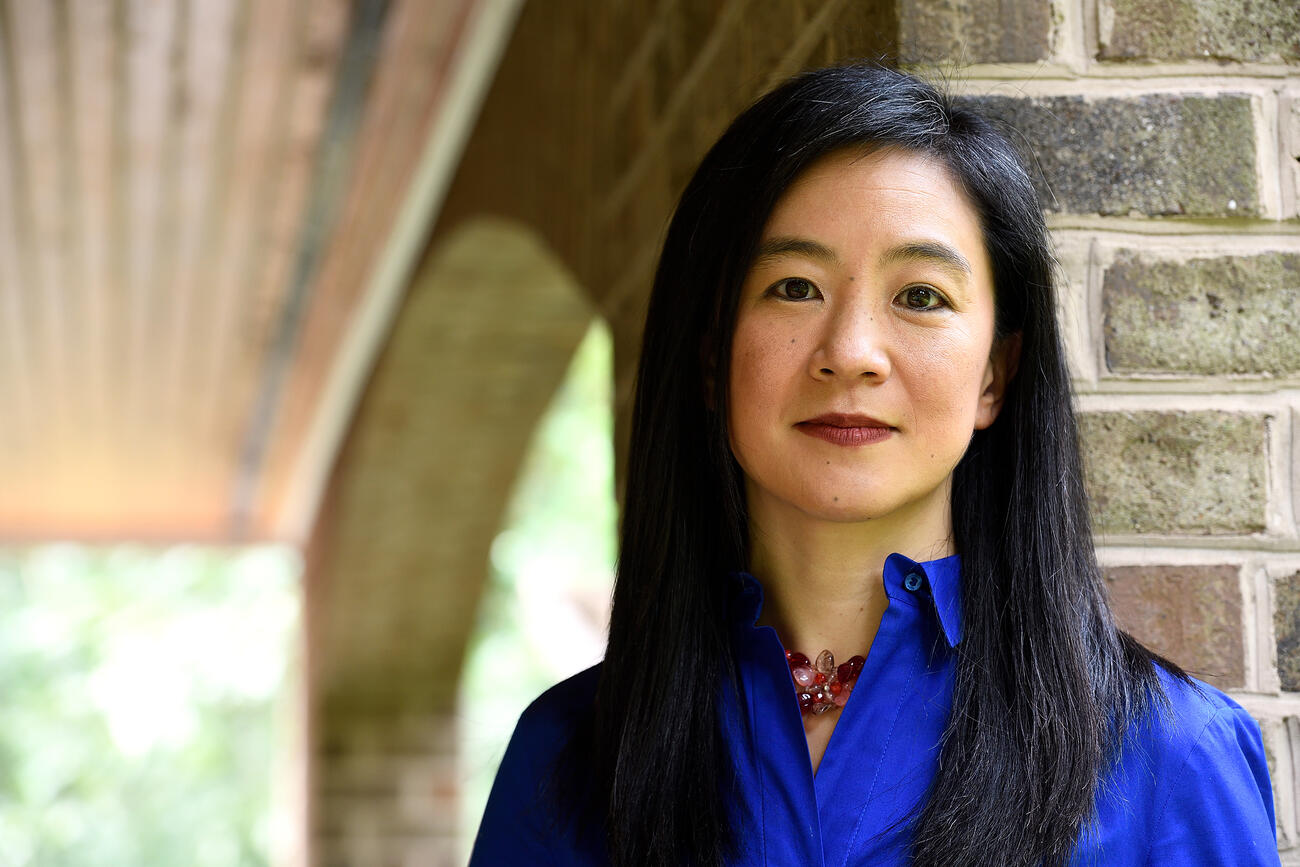
Hahrie Han, a Johns Hopkins political scientist and director of the SNF Agora Institute, received the prestigious 2025 MacArthur Genius Grant for her work on political organizing and democracy, marking her as the first Hopkins faculty member to earn this honor since 2008.
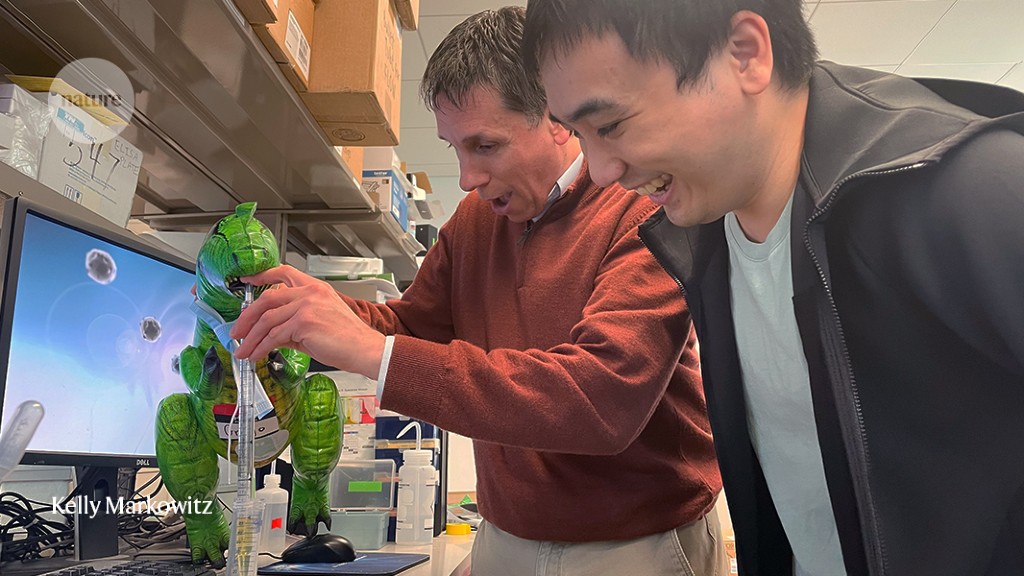
Principal investigators (PIs) in academia often share their hard-earned wisdom through humorous lab rules, sayings, and analogies. These PI-isms can convey serious truths about critical thinking and succeeding in science, while also making PIs more approachable and fostering a culture of teamwork. Humor can also help with memory retention and creativity, and can make science more enjoyable for students and PIs alike. These sayings often spread through word of mouth, lab freebies, and social media, and can have a lasting impact on students' careers.