
Glass Sponges Reveal 11,000-Year Lifespans and Ancient Reef Structures
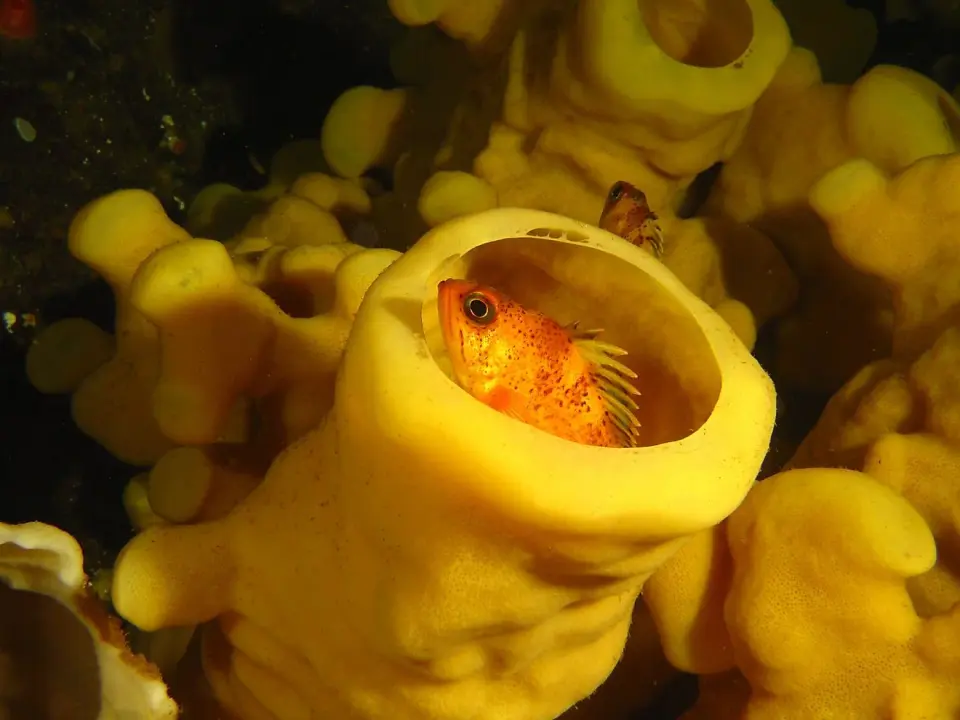
Glass sponges, marine animals with silica-based skeletons, are among the longest-lived organisms on Earth. A 2012 study estimated that one specimen grew for approximately 11,000 years, dating back to the end of the last Ice Age. These sponges build ancient reef ecosystems in deep waters, including off Southern California and British Columbia. While individual sponges live for centuries, their rigid skeletons persist after death, allowing new generations to build upon them. These reefs support over 120 species but face severe threats from bottom trawling, which can destroy structures that took millennia to form.
Key points
- A 2012 study in Chemical Geology estimated a glass sponge spicule grew for roughly 11,000 years, based on oxygen isotope analysis.
- Glass sponges belong to the class Hexactinellida and possess skeletons made of silica, similar to ordinary glass.
- Reef-building species include the cloud sponge, goblet sponge, and Farrea occa, which create mounds up to 80 feet tall.
- Confirmed glass sponge reefs exist in US waters off Southern California and in British Columbia, Canada.
- Bottom trawling poses a critical threat, as sponges grow slowly (0.4 to 0.8 inches per year) and cannot recover quickly from physical damage.
Background
Glass sponges have long been recognized for their unique biological structure, but recent research has highlighted their extreme longevity. Unlike coral reefs, which are built from calcium carbonate, glass sponge reefs are constructed from silica. These structures serve as critical habitats for diverse marine life, including juvenile fish and invertebrates. Previous studies have noted that while individual sponges may live for centuries, the collective reef structures can persist for thousands of years through successive generations of growth.
Why it matters
Understanding the longevity of glass sponges underscores the vulnerability of deep-sea ecosystems to human activity. Because these reefs grow slowly, damage from fishing gear can have lasting consequences, potentially destroying habitats that took millennia to develop. Protecting these areas is essential for preserving biodiversity and maintaining deep-sea nutrient cycling. Accurate mapping and monitoring are crucial to identify and safeguard these fragile ecosystems before irreversible damage occurs.
What to watch
Scientists continue to map deep-sea sponge habitats to identify vulnerable areas that require protection. Regulatory measures, such as restrictions on bottom-contact fishing in designated zones, are being implemented to mitigate damage. Further research is needed to fully understand the extent of glass sponge reefs and their ecological roles, particularly in poorly explored deep ocean regions.
Want the full story? Read the original reporting
Read on WorldAtlas