
NASA shifts Artemis III to Earth orbit tests as SpaceX targets 2027 lunar refueling demo
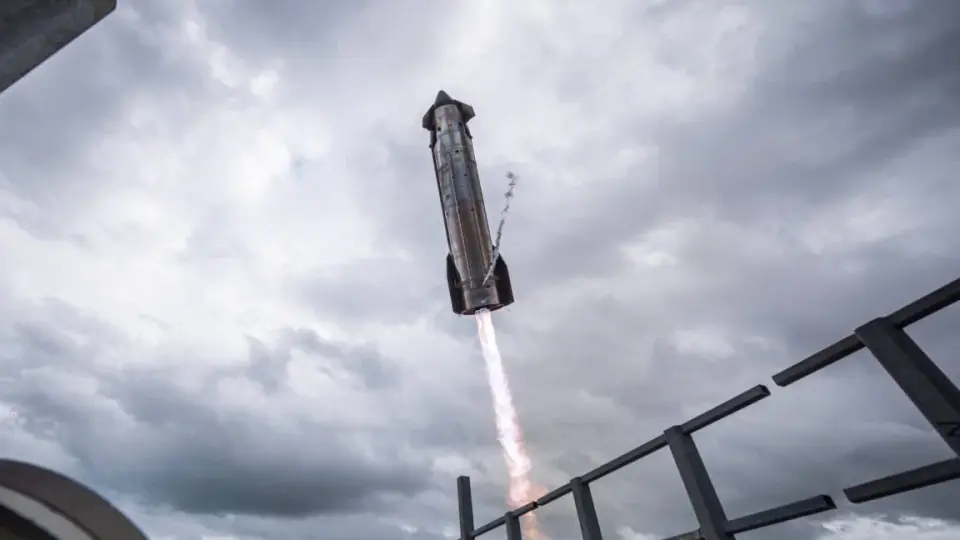
NASA has restructured its lunar landing strategy, moving the first crewed Artemis mission to a low-Earth orbit test to prioritize SpaceX’s orbital refueling capabilities. The agency is delaying the first crewed lunar landing to Artemis IV, targeting late 2028, while SpaceX aims to demonstrate propellant transfer between two Starships in early 2027. This shift reduces complexity for landers but introduces uncertainty regarding Orion’s trajectory and the number of refueling tankers required for deep space missions.
Key points
- Artemis III is now a low-Earth orbit mission testing Blue Origin’s life support systems and SpaceX’s docking capabilities, with no crew entering the Starship.
- The first crewed lunar landing is delayed to Artemis IV, targeted for before the end of 2028, following uncrewed landing demonstrations in late 2027 or early 2028.
- SpaceX plans to demonstrate orbital refueling in early 2027 by docking two Starships and transferring cryogenic propellants, a critical step for lunar missions.
- NASA removed the 90-day loiter requirement in lunar orbit, simplifying lander designs but requiring a new Centaur upper stage for SLS to reach low-lunar orbit.
- Disagreements remain over the number of refueling tankers needed, with SpaceX estimating six to eight versus NASA’s conservative planning figure of 20.
Background
Previous coverage of NASA’s Artemis program highlighted the cancellation of the Gateway lunar space station, which drove changes in orbital mechanics and lander requirements. The current restructuring reflects a broader shift away from complex lunar orbits toward Earth-based rendezvous, aiming to accelerate development timelines for both SpaceX and Blue Origin landers.
Why it matters
The success of SpaceX’s orbital refueling demonstration is critical for the viability of Starship-based lunar missions. If the propellant transfer fails or requires more tankers than estimated, it could delay the first crewed lunar landing beyond 2028. Additionally, the shift in mission architecture places new demands on the Orion spacecraft and SLS rocket, potentially straining NASA’s budget and schedule if the new Centaur stage is not ready in time.
What to watch
SpaceX is expected to conduct its first orbital refueling test in the first quarter of 2027. Uncrewed landing demonstrations for both Starship and Blue Moon are targeted for late 2027 or early 2028. NASA must decide which lander will be used for Artemis IV and determine if the new Centaur upper stage will be ready for the mission or if legacy SLS stages will be used.
Want the full story? Read the original reporting
Read on Ars Technica