
NASA's Palm-Sized AI Chip Could Put Spacecraft on Autopilot
TL;DR
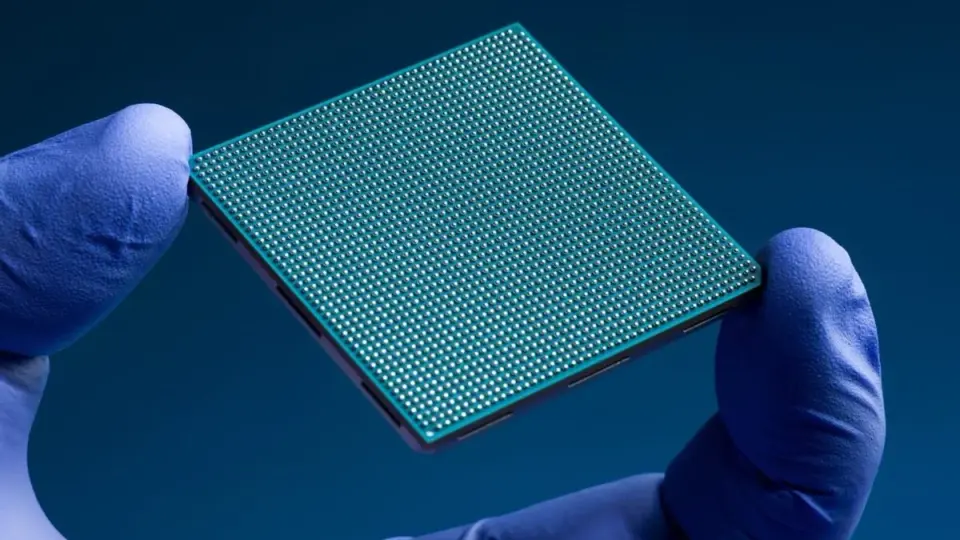
NASA is testing a palm-sized, radiation-hardened system-on-a-chip that could deliver up to 100x the computing power of current spaceflight computers and enable onboard AI to autonomously respond to anomalies and analyze vast data, potentially speeding science and mission ops; the project, in partnership with Microchip Technology, is undergoing radiation, thermal, and landing-simulation tests at JPL before flight certification for use on Earth-orbiters, rovers, habitats, and deep-space missions. The article notes the headline claims 500x, but NASA cites testing at up to 100x.
- NASA’s Next-Gen Processor Is 500 Times More Powerful Than Current Space Chips Gizmodo
- Hello Universe: NASA’s Next-Gen Space Processor Undergoes Testing NASA Jet Propulsion Laboratory (JPL) (.gov)
- NASA debuts radiation-hardened chip with 500x more power than current space processors Interesting Engineering
- NASA tests more powerful spacecraft processor to enable onboard AI Aerospace Testing International
- NASA’s New RISC-V Space Chip Offers 100x Performance Boost for Future Mars Missions HotHardware
Want the full story? Read the original reporting
Read on Gizmodo