
New Book Exposes CrossFit Founder Greg Glassman’s Excesses and the Brand’s Post-2020 Evolution
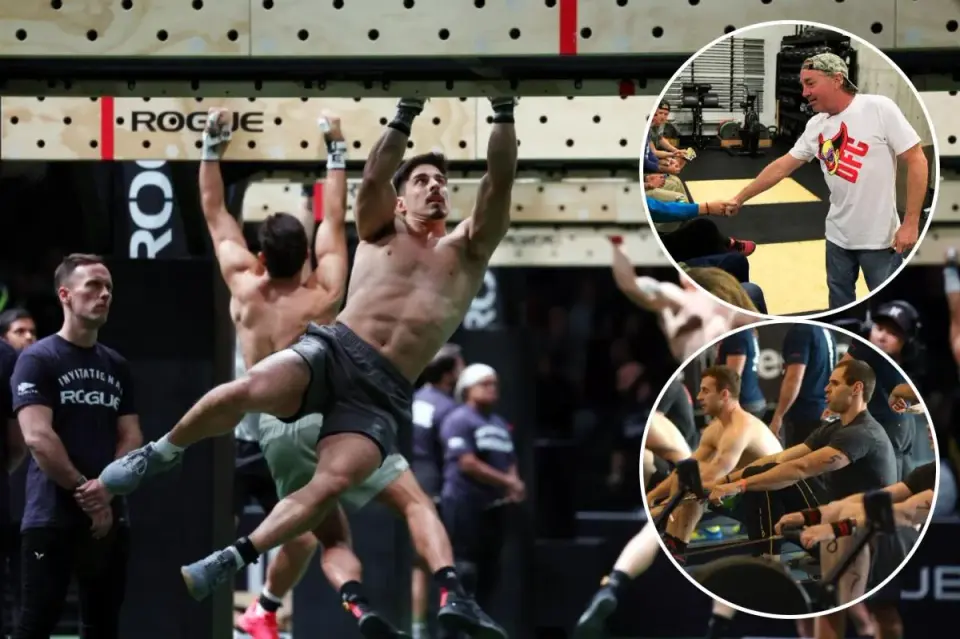
Journalist Calum Marsh’s new book, 'The Glass Box,' details the rise and fall of CrossFit founder Greg Glassman, highlighting his lavish spending, personal scandals, and eventual exit. While Glassman sold the company for $200 million in 2020 following a racism controversy, the brand has since restructured its competitive season and reduced its global affiliate count from 15,000 to 9,000.
Key points
- Calum Marsh’s book 'The Glass Box' (released Oct. 27) chronicles Greg Glassman’s journey from a broke trainer in 1995 Santa Cruz to the owner of a $100 million annual revenue business by 2015.
- Marsh cites internal documents revealing extreme spending, including a Verizon bill nearing $200,000 monthly for hundreds of phones and private jet detours for fast food, which CEO Jeffrey Cain later reined in.
- Glassman’s personal life unraveled amid affairs and marital conflict with co-founder Lauren Jenai, leading to a 2012 buyout and 2013 divorce.
- The company’s trajectory shifted in 2020 when Glassman’s 'FLOYD-19' tweet sparked a backlash, causing Reebok to end its partnership and affiliates to de-affiliate; he subsequently sold CrossFit to Eric Roza and Berkshire Partners.
- The 2027 CrossFit Games season introduces new Team Qualifiers and age-group divisions, while the brand now operates with over 9,000 affiliates in 150 countries, down from its 2018 peak of 15,000.
Background
CrossFit’s methodology, combining weightlifting and gymnastics, influenced the broader fitness industry, including the rise of events like Hyrox. The brand’s current structure, managed by former COO Bruce Edwards, continues to evolve despite Glassman’s departure. This follows a period of significant corporate and cultural reckoning within the fitness sector.
How outlets are covering it
The New York Post and NPR emphasize the personal and financial excesses of Glassman, with Marsh providing detailed accounts of his spending and behavior. The CrossFit Games and The Barbell Spin focus on the operational future of the brand, detailing the 2027 season’s structural changes, such as in-person team qualifiers and standardized equipment requirements, indicating a shift toward a more regulated and globalized competition model.
Why it matters
The story illustrates how founder-centric cultures can lead to corporate instability and brand damage, while also showing how fitness methodologies can outlive their creators and adapt to new market structures. It highlights the tension between individualistic leadership and sustainable corporate governance in the health and wellness industry.
What to watch
CrossFit will proceed with its 2027 season, including the Open starting in January and new Team Qualifiers. The brand will continue to operate under new leadership, aiming to stabilize its affiliate network and competitive structure.
- The rise and fall of CrossFit’s cult-like founder: Cocaine, $200k phone bills and private jet fast food detours New York Post
- Journalist Calum Marsh discusses his new book, 'The Glass Box' NPR
- A Guide To Competing in CrossFit in 2027 CrossFit Games
- Inside CrossFit’s New 2027 Team Qualifiers: In-Person Only, Worldwide Leaderboard, and More The Barbell Spin
- Behind The Black Box Summit: The Event That Foreshadowed CrossFit’s Explosive Future Men's Health
Want the full story? Read the original reporting
Read on New York Post