
Montreal’s 273km Gauntlet: Evenepoel, Del Toro, and Van der Poel Vie for Rainbow Jersey
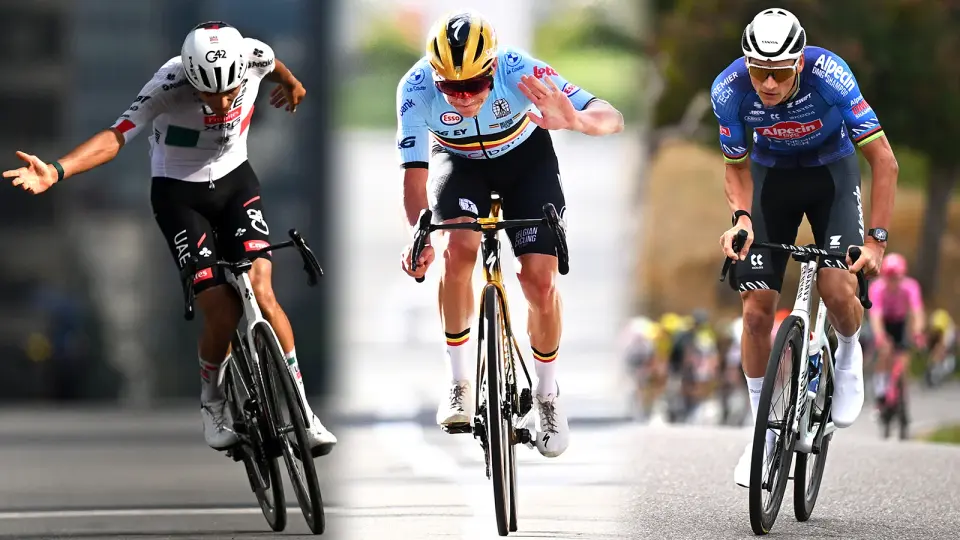
The 2026 UCI Road World Championships elite men’s road race in Montréal features a wide-open field after Tadej Pogačar’s withdrawal. Remco Evenepoel, Isaac del Toro, Mathieu van der Poel, and Paul Seixas are the primary contenders for the rainbow jersey on a 273.7km course with 3,800m of elevation gain. Belgium and the USA field strong squads, while Mexico’s Del Toro faces a thinner support team. The race is expected to be a war of attrition, with tactics and national team dynamics playing a crucial role.
Key points
- Tadej Pogačar is absent due to a crash at the 2026 Vuelta, opening the field for other top riders.
- Remco Evenepoel is favored for his versatility, including climbing, time-trialing, and sprinting abilities.
- Isaac del Toro, winner of the GP de Montréal, is a top contender despite Mexico’s limited team depth.
- Mathieu van der Poel is in strong form but faces a course with more climbing than his typical strengths.
- Paul Seixas, aged 20, could become the youngest-ever men’s elite road race world champion.
- The 273.7km course includes 12 laps of the Mount Royal circuit and the Camillien-Houde climb (2.3km at 6.2%).
Background
The 2026 UCI Road World Championships in Montréal marks the fifth time the event has been held on North American roads. Previous coverage noted Pogačar’s absence as a major shift, with Evenepoel and others emerging as favorites. The event also features elite time trials, with Evenepoel winning the men’s ITT title. Montréal’s hosting was part of a broader plan to grow cycling in Canada, following the city’s decision to prioritize the World Championships over the FIFA World Cup bid.
How outlets are covering it
Cyclingnews emphasizes Evenepoel’s versatility and the tactical challenges he faces, noting his aerodynamic advantage and time-trialing prowess. Outside Magazine highlights the chaotic nature of World Championships, where national pride and unpredictable alliances replace trade-team dynamics. Escape Collective focuses on emerging nations, noting Del Toro’s potential to break Mexico’s medal drought and the diversity of the field, with 62 countries participating. Team Visma’s content is largely technical and does not provide substantive analysis of the race contenders.
Why it matters
The absence of Tadej Pogačar, the three-time defending champion, creates a unique opportunity for other riders to claim the rainbow jersey. The race’s length and climbing profile favor versatile riders, while national team dynamics and tactical unpredictability add layers of complexity. The outcome will define the next era of road cycling, with potential for new champions and historic moments, such as Paul Seixas becoming the youngest-ever men’s world champion.
What to watch
The elite men’s road race is scheduled for Sunday, September 27, 2026, in Montréal. Riders will compete over 273.7km, with the final laps likely determining the winner. National teams will strategize around their leaders, and the absence of race radio may lead to unpredictable on-road alliances. The rainbow jersey will be awarded to the winner, marking the end of the 2026 World Championships.
- A wide open face-off between Evenepoel, Del Toro, Seixas, Van der Poel and more for the rainbow jersey – Analysing the World Championships elite men's road race contenders cyclingnews.com
- Opinion: Why Worlds Week Is Cycling at Its Wildest Best Outside Magazine
- Global riders to watch at the World Championship road races Escape Collective
- PEZ Goes to the Worlds - Arrival! PezCycling News
- Road World Championships 2026: who is racing where and when? Team Visma
Want the full story? Read the original reporting
Read on cyclingnews.com