
Vaughters demands UCI overhaul after Tarling death exposes safety gaps
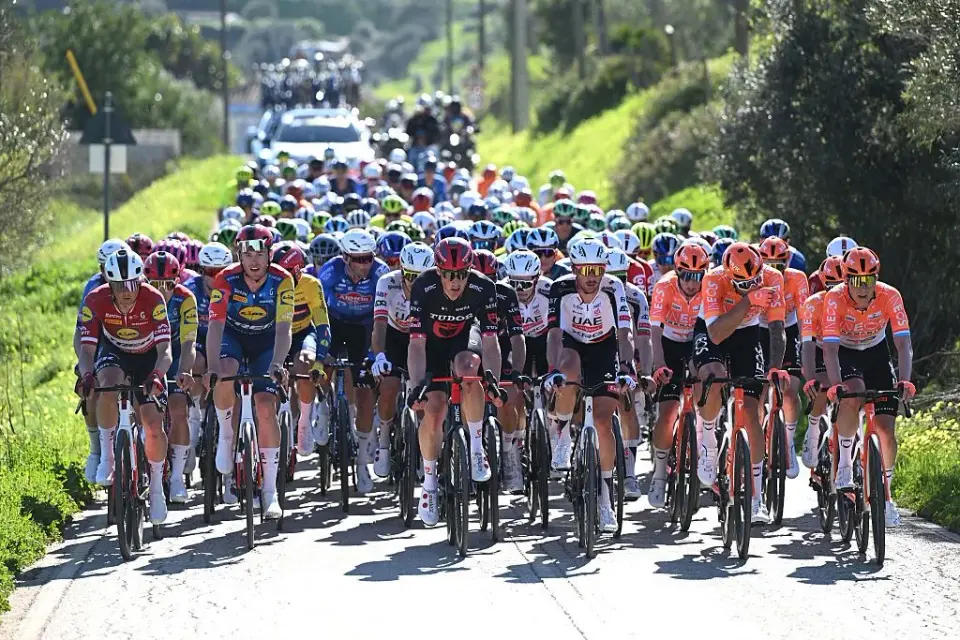
Jonathan Vaughters, CEO of EF Education-EasyPost, has called for a fundamental reform of the cycling calendar following the death of 19-year-old Finlay Tarling. Vaughters argues that the UCI’s reliance on rolling road closures for smaller races creates a 'recipe for disaster,' contrasting them with the full closures used in Grand Tours. He contends that the pressure to earn ranking points forces riders to take risks in poorly managed events, urging the governing body to reduce the number of sanctioned races from 700 to 100 to prioritize safety over revenue.
Key points
- Vaughters criticized the UCI for failing to prevent traffic on race courses, stating that inaction is not an option.
- The death of Finlay Tarling during the Volta a Portugal is the sixth rider fatality in three years.
- Vaughters highlighted the financial struggles of smaller race organizers, which lead to inadequate security measures.
- The UCI currently earns fees from race registrations, creating a potential conflict of interest regarding safety standards.
Background
Finlay Tarling, a member of the NSN Development Team, died on August 15, 2026, after colliding with a vehicle during Stage 8 of the Volta a Portugal. The incident occurred when a driver rejoined the course before the 'broom' wagon, which marks the end of the rolling road closure, had passed. Tarling’s death prompted widespread mourning, with the NSN Development Team withdrawing from the race and other teams wearing black armbands. His parents issued a public message asking riders to remember him before riding. This tragedy follows the deaths of Gino Mäder, André Drege, Muriel Furrer, and Samuele Privitera in recent years.
How outlets are covering it
Cyclingnews and BBC Sport report that Jonathan Vaughters is demanding the UCI take responsibility for safety failures, arguing that the governing body prioritizes minor rule changes over critical traffic control. Vaughters stated that smaller races using rolling closures are inherently dangerous because they cannot secure every junction, unlike the Tour de France. The Guardian highlights the anger of the Cyclistes Professionnels Associés (CPA), who described the safety measures as 'catastrophic' and called for stricter approval processes. Former pro Jérôme Pineau noted that rising costs force organizers to abandon safety principles. Velo/Outside Magazine focuses on a different aspect, with CPA president Adam Hansen arguing that helmet standards are outdated, citing the 1997 CE EN 1078 standard which is rated for 19.5kph, far below the speeds of professional racing. While Vaughters focuses on course management, Hansen emphasizes equipment safety, though both agree the UCI must act.
Why it matters
The death of Finlay Tarling has intensified debate over the structural safety of professional cycling. Vaughters’ call to reduce the race calendar suggests a potential shift in how the UCI governs the sport, potentially impacting team finances and rider opportunities. The discrepancy between safety standards for major and minor races highlights a systemic risk that could lead to further tragedies if not addressed. The conflict between revenue generation and rider safety is now a central issue for the sport's future.
What to watch
The UCI has not yet responded to Vaughters’ specific demands for calendar reform or Hansen’s call for helmet standard updates. The Portuguese police investigation into the driver involved in Tarling’s death is ongoing, though criminal charges are considered unlikely. The cycling community will be watching for any official statements or policy changes from the UCI in the coming weeks, particularly regarding the SafeR initiative and race sanctioning criteria.
- 'The number of smaller races I've been to where there's traffic on the course is unreal' – Jonathan Vaughters calls for calendar reform following death of Finlay Tarling Cyclingnews
- Tarling death shows risks of smaller races - Vaughters BBC
- Cyclists criticise ‘catastrophic’ safety measures after Finlay Tarling’s death The Guardian
- Helmet Standards under Scrutiny after Death of Finlay Tarling Outside Magazine
- Cycling’s stakeholders must reflect on failings that led to Fin Tarling’s death. The sport has to learn The New York Times
Want the full story? Read the original reporting
Read on Cyclingnews