
Senate Passes College Sports Overhaul 77-22, but House Recess Threatens Final Vote
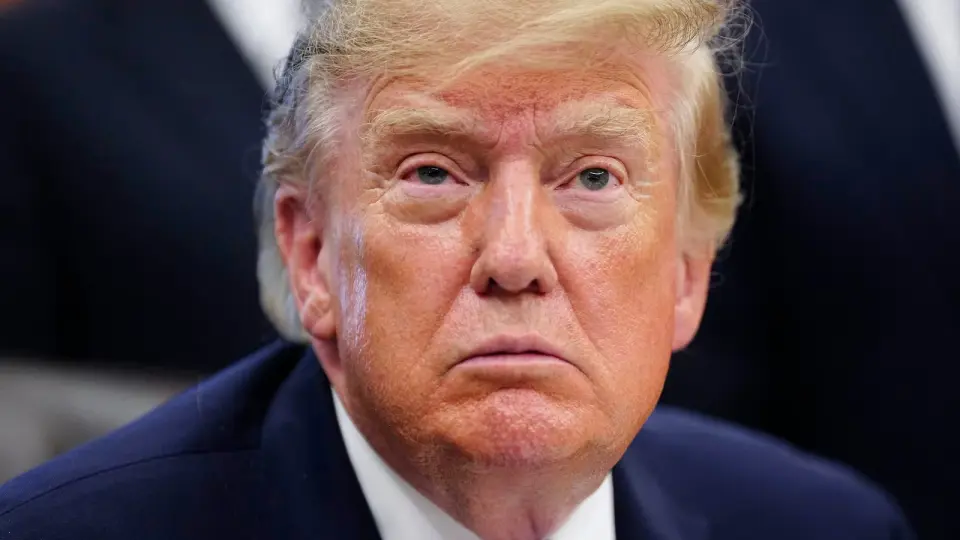
The US Senate passed the Protect College Sports Act 77-22 on Monday, creating a federal framework for college athletics. The bill caps athlete payments, limits transfers, and grants the NCAA antitrust immunity. President Trump celebrated the vote, but the legislation faces significant hurdles in the House, which is in recess until after the November elections.
Key points
- The Senate passed the Protect College Sports Act with a 77-22 vote on Monday night.
- The legislation establishes a single federal rulebook for college athletics, replacing varying state rules.
- It caps the amount of money schools can share with athletes and limits transfers to one per career without penalty.
- The bill grants the NCAA immunity from federal antitrust lawsuits and allows collective bargaining for media rights.
- President Trump praised the bill, stating it will 'save college sports' and the colleges themselves.
- The House is currently in recess until after the November elections, delaying final passage.
Background
The Protect College Sports Act has been a major legislative priority for President Trump and Senator Ted Cruz. Earlier in September, the Senate advanced the bill through committee and floor votes, with debates focusing on Name, Image, and Likeness (NIL) caps and conference realignment timelines. The bill includes a six-year sunset clause for conference realignment and a $22.5 million player-retention fund. Previous coverage highlighted tensions between supporters who seek stability and critics who argue the bill restricts athlete compensation and legal recourse.
How outlets are covering it
ABC News emphasized President Trump's celebration of the bill and its potential to 'save college sports,' while highlighting concerns from Democratic Senator Chris Murphy about the NCAA's increased leverage. The Washington Post focused on Senator Ted Cruz's transformation from a partisan gadfly to a bipartisan dealmaker, noting his extensive negotiations with Senator Maria Cantwell. The Post also detailed opposition from Democrats like Cory Booker and Tim Kaine, who argued the bill restricts athlete payments without capping coaching salaries. ESPN was inaccessible due to a 403 error, so no perspective could be synthesized from that source.
Why it matters
The passage of the Protect College Sports Act marks a significant shift in the regulation of college athletics, moving from a patchwork of state rules to a unified federal framework. This could stabilize the college sports landscape but may also limit athlete compensation and legal options. The bill's fate in the House is uncertain due to the midterm recess, potentially delaying its implementation until 2027. The legislation also impacts the NCAA's legal standing and the future of conference realignment, which could reshape the competitive landscape of college sports.
What to watch
The bill must now pass the House, which is in recess until after the November elections. Senator Cruz has urged House Speaker Mike Johnson to bring lawmakers back early to pass the bill, but a senior House Republican aide indicated no plans for an early return. If passed, the bill would be sent to President Trump for signature. The NCAA has expressed gratitude for the Senate's support and is preparing for the next steps in the legislative process.
- Trump celebrates Senate passage of legislation to overhaul college sports ABC News - Breaking News, Latest News and Videos
- U.S. Senate votes 77-22 to pass Protect College Sports Act ESPN
- The Protect College Sports Act: What Happens Next? Yahoo Sports
- How Ted Cruz, once a Republican gadfly, became a bipartisan dealmaker The Washington Post
- The NCAA used to be the villain. Now Congress wants it back in charge The New York Times
Want the full story? Read the original reporting
Read on ABC News - Breaking News, Latest News and Videos