Protect College Sports Act Nears Senate Decision as Recess Looms
The Protect College Sports Act is nearing a decision before the Senate recess, with major conferences like the Big Ten and SEC reviewing the bill.
All articles tagged with #protect college sports act

The Protect College Sports Act is nearing a decision before the Senate recess, with major conferences like the Big Ten and SEC reviewing the bill.

Senators Cruz and Cantwell advance the Protect College Sports Act toward a Senate floor vote, seeking federal rules to govern college athletics amid ongoing tension with the SEC and Big Ten over media-rights pooling, NIL concerns, and a potential antitrust exemption; passage remains uncertain as lobbying intensifies ahead of the August recess.

A joint statement from Big Ten and SEC leaders says they engaged with lawmakers on the Protect College Sports Act, but limited time for feedback on an initial call and a revised bill that did not reflect many university concerns; they will continue to work with senators to refine the legislation to protect student-athletes and provide long-term stability for college athletics.

The Big Ten and SEC issued a joint statement criticizing how the Protect College Sports Act has been handled, saying university leaders had limited time for feedback and insufficient engagement with Senate staff before the revised bill. They note progress with the Senate Commerce Committee and welcome amendments, reaffirm their commitment to protecting student-athletes and establishing national standards and long-term stability for college athletics, and pledge to continue bipartisan engagement to refine the legislation.

The article outlines Notre Dame’s recruitment upheaval, including 5-star linebacker Kaden Henderson reportedly committing to Texas A&M, ESPN rankings that place multiple Irish players among the top at their positions (notably Kingston Viliamu-Asa with an extra year of eligibility), and Notre Dame’s push to pass the Protect College Sports Act. It also argues the 2027 class is elite, discusses how visits (and even gifts) influence commitments, and links these dynamics to a broader ‘big business’ view of recruiting as the Miami game approaches and Shields Family Hall opens.

The NFL and NFLPA voiced support for the Protect College Sports Act of 2026 as it advances in the Senate, arguing it would stabilize college athletics by broadening media-rights distribution and applying a model similar to the Sports Broadcasting Act; critics say reform should come from within the NCAA and its member schools rather than Congress.

Sen. Ted Cruz and Sen. Maria Cantwell push the bipartisan Protect College Sports Act through markup, keeping the 75% media-rights pooling provision intact despite ongoing resistance from the SEC and Big Ten; the revised bill also imposes minimum roster guarantees for large revenue Olympic and women’s programs and faces potential lawsuits and further negotiations as Congress heads toward a recess.

Despite NCAA momentum from a recent eligibility ruling, the Protect College Sports Act faces pushback from the SEC and Big Ten over current language that would let 75% of FBS programs pool media rights and could block a merged superleague, with potential implications for intraconference postseasons and CFP eligibility; amendments before a Senate vote are possible, or the bill could move forward despite objections.

Texas Tech QB Brendan Sorsby’s injunction against his eligibility collides with Congress’s Protect College Sports Act as the NCAA signals it could use the bill to influence cases like his; meanwhile the SEC and Big Ten resist pooled media rights even as lawmakers push for antitrust relief, prompting Big 12 deliberations on sanctions, potential forfeits, and a high-stakes week of decisions that could reshape college athletics’ structure and governance.

The NCAA argues that the Protect College Sports Act would override Brendan Sorsby’s antitrust challenge, allowing the association to preserve its eligibility rules, while pressuring Congress to grant a broad antitrust exemption for colleges; the memo to conference commissioners frames the bill as sweeping and favorable to the NCAA, using the Sorsby case to catalyze federal action.
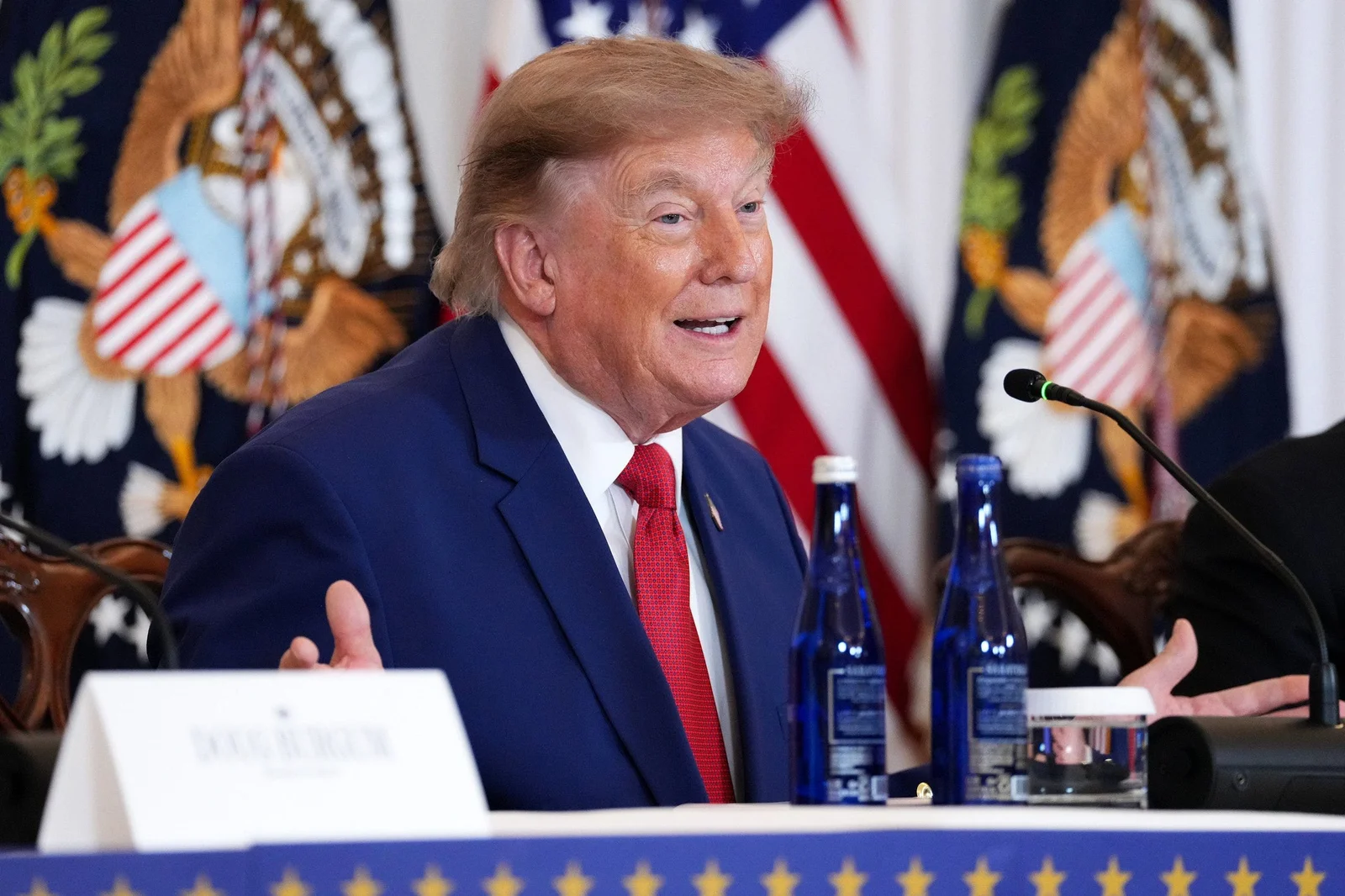
President Trump endorsed the Protect College Sports Act in the Senate to create a federal rulebook for college athletics—limiting transfers, banning mid-season coaching moves, and enshrining NIL protections—as a bipartisan alternative after the House's SCORE Act fell apart; Cruz and Cantwell are promoting it, and while major conferences oppose it for not preempting state laws, supporters say it’s the last chance to save college sports and Congress could act this summer.

Nick Saban testified before a Senate committee in support of the Protect College Sports Act, revealing Alabama’s NIL collective spending rose from about $2.7 million to $24 million per year over five years, with notes that some programs approach $40 million rosters. He warned that without more revenue, Olympic/non-revenue sports could be endangered as football and basketballs programs grow, urging continued efforts to raise funds to preserve scholarships and opportunities for all sports.

A Senate Commerce Committee hearing on the bipartisan Protect College Sports Act offered few surprises but highlighted key hurdles: a fee-shifting provision could deter lawsuits by those alleging violations, agents for college athletes would need licensing and oversight, and there’s debate over whether a nationwide union or other governance changes are needed. Questions about funding for low-revenue sports persist, and major programs like the SEC and Big Ten oppose the bill as written, signaling ongoing contention over reform that centers not on a Congressional bailout but on properly regulated competition in college sports.

Lawmakers grilled college sports leaders about the money driving the industry—from NIL and the transfer portal to spiraling roster costs and coaching salaries. Supporters of the Protect College Sports Act argue for funding certainty, but critics say the bill mainly reshuffles rules rather than reining in spending on players or programs; even Nick Saban warned that ballooning pay could blur the line with professional sports. An active athlete urged including student-athlete voices, but the piece argues real reform requires schools to change how they operate and treat athletes as peers rather than profit engines.

Ahead of a Senate hearing, the Big Ten and SEC released a joint statement opposing the Protect College Sports Act as drafted, arguing it leaves critical issues unresolved and could impede rapid rulemaking and direct revenue sharing for student-athletes. They back a sustainable national framework with an effective transfer portal and clear eligibility standards, and will continue working with lawmakers to improve the bill.