
Lawmakers Propose 20% Cap on International Athletes in US College Sports
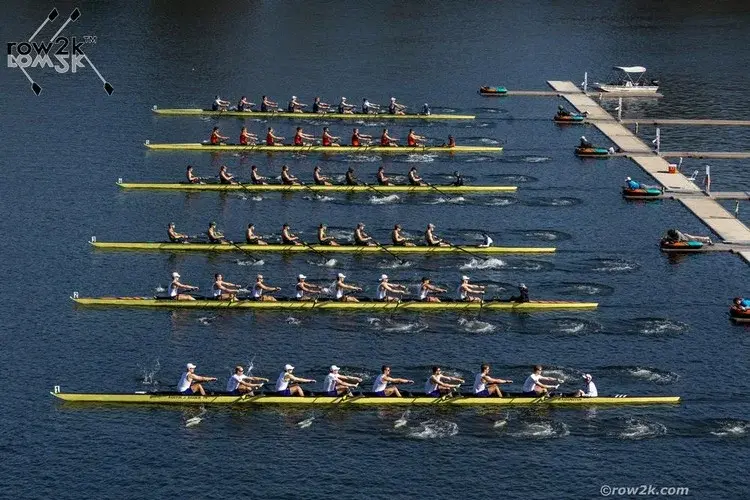
US Rep. Tim Walberg and Sen. Jon Husted introduced H.R. 10351, the 'TEAM USA Act,' which would limit international athletes to 20% of varsity rosters at federally funded US universities. The bill, set to take effect in 2029-2030 if passed, aims to protect American Olympic development pipelines by restricting foreign recruits who currently dominate non-revenue sports. While proponents argue this restores opportunities for domestic athletes, critics and data suggest the cap would disproportionately impact sports like swimming and tennis, where international athletes already exceed 50% of rosters at many top programs. The legislation faces low odds of passage but sparks debate over the balance between global talent and domestic development in collegiate athletics.
Key points
- H.R. 10351, the 'TEAM USA Act,' caps international athletes at 20% of varsity rosters at US universities receiving Title IV federal funding.
- The bill defines international athletes as non-US nationals or those receiving foreign Olympic/Paralympic committee funding, with a one-athlete limit for teams under 10 members.
- If enacted, the cap would take effect in the 2029-2030 academic year, potentially affecting current freshmen and future recruits without clear transition provisions.
- Data from SwimSwam shows 31 of 42 men’s Power 4 swimming teams exceed the 20% threshold, with Florida at 63% and the SEC averaging 42% international athletes.
- Tennis is heavily impacted, with international recruits occupying nearly 70% of Division I roster spots, prompting advocacy from figures like Patrick McEnroe.
- GovTrack estimates a 3% chance of the bill passing, with a 13% chance of advancing past committee, reflecting its low likelihood of enactment.
Background
This proposal follows the 2026 Protect College Sports Act, which cleared the Senate but faces opposition from groups like the NAACP over athlete rights. The new bill specifically targets the influx of international athletes in non-revenue sports, a trend highlighted by the 2024 Paris Olympics, where 65% of Team USA athletes were NCAA-affiliated, but only 385 represented the US. Earlier debates on college sports funding and HBCU support provide background, but this bill focuses on roster composition rather than financial stability.
How outlets are covering it
row2k emphasizes the bill’s potential to disrupt rowing rosters, noting uneven impacts across teams and unresolved questions about fractional athlete counts. SwimSwam provides data-driven analysis, showing that 29% of men’s Power 4 swimming rosters are international, with the SEC leading at 42%, and highlights concerns about the cap’s feasibility given current recruiting trends. Fox News frames the issue through Patrick McEnroe’s advocacy, stressing the need to protect American athletes in Olympic sports like tennis and swimming, while acknowledging coaches’ 'win-now' pressures. The sources differ in focus: row2k highlights logistical challenges, SwimSwam quantifies the impact, and Fox News centers on the moral argument for domestic talent development.
Why it matters
The proposed cap could reshape recruiting strategies in US college sports, particularly in non-revenue Olympic disciplines. If enacted, it would force universities to prioritize domestic athletes, potentially altering the competitive landscape and international development pipelines. The bill’s low passage odds suggest it may serve as a political statement rather than immediate policy, but it signals growing scrutiny of how federal funding supports global athletic talent at the expense of local opportunities.
What to watch
The bill must advance through committee and the full House, with GovTrack estimating a 13% chance of passing committee. If enacted, it would take effect in 2029-2030, requiring universities to adjust rosters and potentially renegotiate scholarships. Advocates like Patrick McEnroe may push for broader support, while opponents could lobby for exemptions or higher caps. The outcome will depend on bipartisan negotiations and the political climate surrounding college sports reform.
- Proposed Congressional Bill Would Limit the Number of Internationals on Varsity Rosters to 20% Row2k
- What Percentage of Men's Power 4 Swimming and Diving Rosters are Currently International? SwimSwam
- Tennis great Patrick McEnroe urges Congress to cap foreign recruits, protect American student-athletes | OutKick Fox News
- Utah Rep. Owens: International athletes are taking too many scholarships from Americans Deseret News
- A new bill from U.S. Sen. Husted could reshape college sports rosters Cleveland.com
Want the full story? Read the original reporting
Read on Row2k