
Senate Passes College Sports Bill, Igniting Debate Over Antitrust Exemptions and Athlete Rights
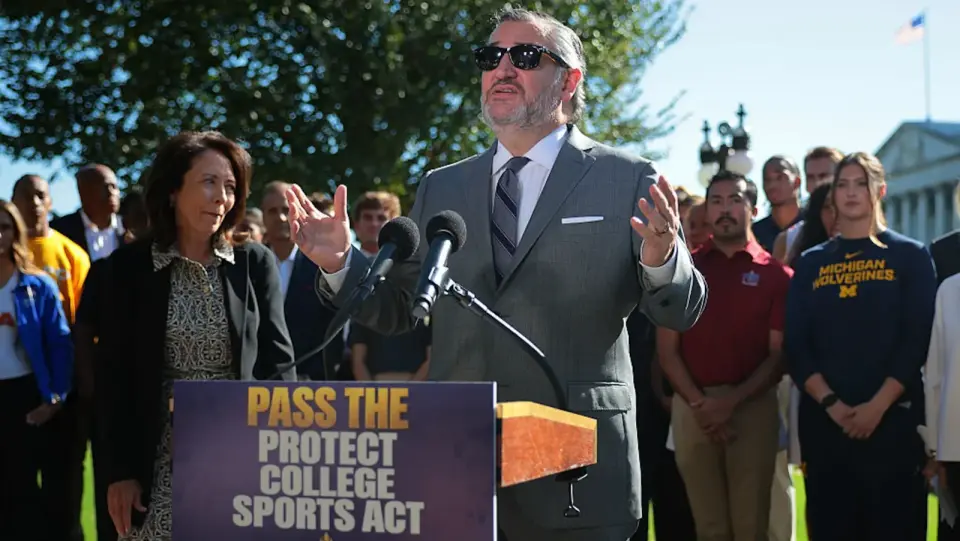
The Protect College Sports Act passed the U.S. Senate on September 28, 2026, with a 77-22 vote, and is now awaiting House action. The legislation grants the NCAA a partial antitrust exemption, establishing a salary cap for collective compensation and restricting player transfers. While proponents like Clemson coach Dabo Swinney argue the bill creates necessary order and rules, critics like antitrust expert Marc Edelman contend it circumvents collective bargaining and undermines athlete labor rights. The bill’s passage highlights a shift in higher education’s relationship with the current administration, with some noting that the NCAA has aligned its positions with presidential priorities to secure legislative support.
Key points
- The Protect College Sports Act passed the Senate 77-22 on September 28, 2026, and is expected to be voted on in the House after the midterm elections.
- The bill grants the NCAA a statutory antitrust exemption, creating a salary cap for athlete compensation and limiting transfer rights, which critics argue bypasses collective bargaining processes used in professional sports.
- Antitrust expert Marc Edelman argues the bill retrogresses athlete rights to around 2019 levels, undoing recent court settlements that allowed unlimited third-party compensation and increased free-market movement.
- Clemson head coach Dabo Swinney supports the bill’s bipartisan nature and its aim to establish enforceable rules, while Senator Ted Cruz and Maria Cantwell view the legislation as a major bipartisan breakthrough.
- The bill includes a six-year sunset clause for conference realignment and a $22.5 million player-retention fund, but critics note it fails to address other major costs like coach salaries or stadium construction.
Background
The Protect College Sports Act has been a focal point of debate since earlier in 2026, with various stakeholders including ESPN, Senator Chris Murphy, and college-athlete advocates expressing concerns over its impact on Name, Image, and Likeness (NIL) earnings and player mobility. Previous coverage highlighted the NCAA’s strategic shift under new leadership, including former Massachusetts governor Charlie Baker, to pursue legislative exemptions after losing multiple antitrust lawsuits. The bill’s progression reflects broader tensions between higher education institutions and the current administration, with some institutions aligning their policies with presidential priorities to secure favorable legislative outcomes.
How outlets are covering it
The Protect College Sports Act has drawn sharply divided reactions. Antitrust expert Marc Edelman, who advised Ohio and New York in NCAA antitrust cases, argues the bill is fundamentally flawed because it imposes labor restraints without collective bargaining, unlike professional sports leagues where exemptions are court-recognized and negotiated with unions. He criticizes the bill for stripping athletes of antitrust rights and potentially hindering unionization efforts. In contrast, Clemson head coach Dabo Swinney supports the bill, emphasizing the need for clear, enforceable rules in college athletics, which he claims are currently absent. Senators Ted Cruz and Maria Cantwell, who led the Senate Commerce Committee, view the bill as a significant bipartisan achievement that could serve as a model for other complex issues like artificial intelligence. Critics, including Senator Chris Murphy and college-athlete advocates, argue the bill undermines athlete rights and worker protections, while proponents like ESPN and the NCAA frame it as a necessary fix for a chaotic system. The bill’s passage also highlights a shift in higher education’s relationship with the current administration, with some institutions aligning their positions with presidential priorities to secure legislative support.
Why it matters
The Protect College Sports Act represents a pivotal moment in the regulation of college athletics, potentially reshaping the landscape of athlete compensation, mobility, and labor rights. If passed, the bill would grant the NCAA a statutory antitrust exemption, which could limit athletes’ ability to negotiate compensation and transfer between schools, potentially undoing recent court settlements that expanded athlete rights. The legislation also raises broader questions about the role of collective bargaining in sports and the influence of powerful lobbying groups like higher education and the NCAA on federal policy. Its passage could set a precedent for other industries seeking antitrust exemptions, while also highlighting the complex interplay between sports, labor law, and political dynamics in the United States.
What to watch
The Protect College Sports Act is now awaiting consideration in the House of Representatives, where it is expected to be voted on after the midterm elections. The bill’s fate will depend on House leadership and the political climate following the elections. If passed, the legislation would establish a partial antitrust exemption for the NCAA, creating a salary cap for athlete compensation and restricting transfer rights. Critics anticipate potential legal challenges to the bill’s provisions, particularly regarding its impact on athlete labor rights and collective bargaining. The bill’s six-year sunset clause for conference realignment may also influence future decisions by schools and conferences, potentially aligning with expiring TV deals in the early 2030s. The outcome of the House vote will determine whether the bill becomes law and reshapes the landscape of college athletics in the United States.
- An Antitrust Expert Makes The Comprehensive Case Against The Protect College Sports Act Defector
- Swinney Gives Thoughts on Protect College Sports Act The Clemson Insider
- Protect College Sports Act proposes major financial changes to college sports as Pitt Athletics faces budge... The Pitt News
- Ted Cruz and Maria Cantwell’s big college sports win won’t make an AI breakthrough easier Politico
- What challenges lie ahead for the Protect College Sports Act? ESPN
Want the full story? Read the original reporting
Read on Defector