
New Brain Study Finds CTE in 91% of Donated NFL Brains, Sparking Debate on Football's Future
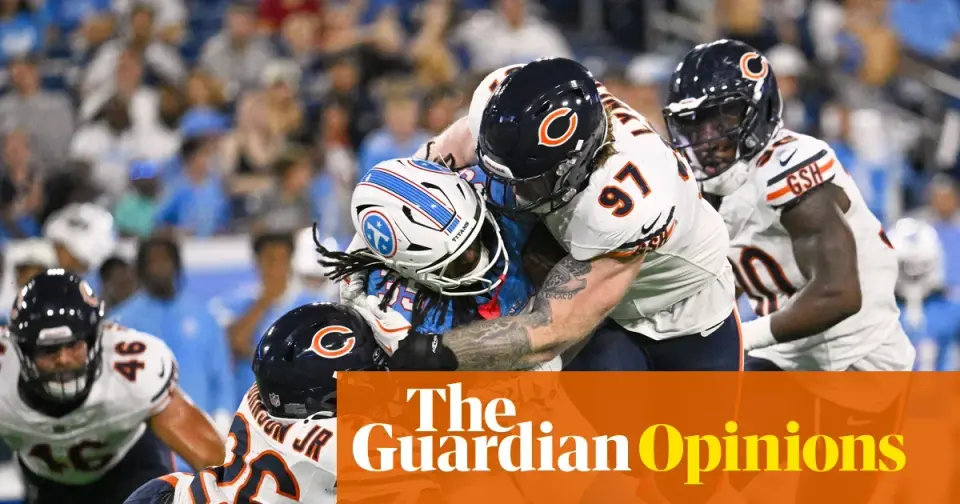
A new study in The BMJ found that 215 of 235 donated brains from former NFL players who died between 2016 and 2021 showed evidence of chronic traumatic encephalopathy (CTE). This represents at least 24.5% of all former players who died in that period, with estimates suggesting the true prevalence could be as high as 97.7%. The findings have intensified calls for fans to stop watching football, while the NFL and players debate the balance between financial incentives and long-term health risks.
Key points
- A study in The BMJ examined 235 donated brains from former NFL players who died between 2016 and 2021, finding CTE in 215 cases.
- The study estimates that at least 24.5% of former NFL players who died in that period had CTE, with the actual rate potentially reaching 97.7%.
- Nine former NFL players under the age of 48 died in 2025, with seven of those deaths attributed to suicide.
- Researchers are developing new PET imaging and blood tests to diagnose CTE in living patients, as current methods require post-mortem brain analysis.
- Former players express mixed views, with some acknowledging the risks but stating they would play again, while others criticize the league's focus on expanding the schedule for financial gain.
Background
This story builds on earlier coverage of a large brain study linking CTE to a quarter of deceased NFL players, which highlighted that most head trauma occurred before NFL play. The NFLPA had previously mobilized players in response to the study, emphasizing the need for continued research and support. The new findings have intensified the debate over the long-term health consequences of football and the league's response to player safety.
How outlets are covering it
The Guardian argues that the new study's findings make it a public health crisis and calls on fans to stop watching football, citing the high prevalence of CTE and the risks to young players. Sports Illustrated, on the other hand, highlights the mixed views of former players, with some acknowledging the risks but stating they would play again, while others criticize the league's focus on expanding the schedule for financial gain. Live Science focuses on the ongoing efforts to develop a CTE test for living players, noting the challenges in diagnosing the disease and the potential for new imaging and blood tests to provide answers. National Geographic emphasizes the race to develop a CTE test, highlighting the need for multiple lines of evidence to confirm a diagnosis and the importance of brain donation for research.
Why it matters
The new study's findings have intensified the debate over the long-term health consequences of football and the league's response to player safety. The high prevalence of CTE among former NFL players, along with the risks to young players, has led to calls for fans to stop watching football and for the league to prioritize player safety over financial incentives. The ongoing efforts to develop a CTE test for living players could provide answers to former players and their families, but the challenges in diagnosing the disease remain significant.
What to watch
The NFL is expected to continue expanding its schedule, with some former players predicting an increase to 18 games in the coming years and 20 games within the next decade. Researchers are working to develop new PET imaging and blood tests to diagnose CTE in living players, with the National Institute of Neurological Disorders and Stroke planning to convene a summit in January 2027 to discuss how decades of research might be translated into clinical care. The NFLPA is expected to continue hosting medical expert calls to provide context and answers to players, and the league is likely to face increased pressure to prioritize player safety over financial incentives.
- CTE in football players is a health crisis. It’s time for us to stop watching The Guardian
- NFL settlement testing may miss measurable cognitive decline in players with advanced CTE Medical Xpress
- Retired NFL Players Open Up About Concussions: ‘Yeah, I Have CTE. It’s Almost 100% Positive.’ Sports Illustrated
- Is the NFL doing enough to protect athletes from head injuries? Live Science
- The Race to Develop a CTE Test for Football Players—While They Are Still Alive National Geographic
Want the full story? Read the original reporting
Read on The Guardian