
Senate Revises College Sports Bill to Ease Conference Realignment Before 2030s TV Deals
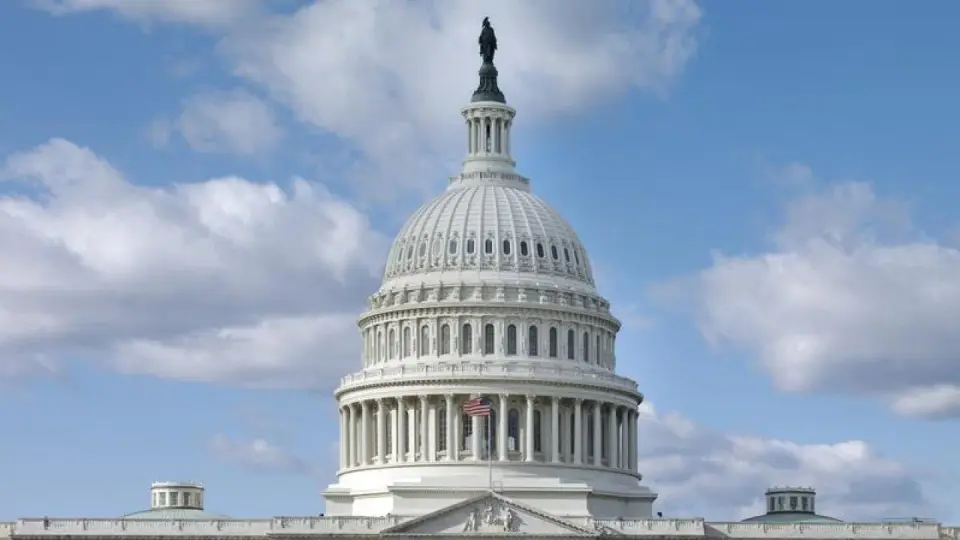
The Senate advanced the Protect College Sports Act with bipartisan support, but revised text now allows easier conference movement by 2032. Critics argue the bill favors schools over athletes, while opponents note the House may not vote before midterms.
Key points
- Senate voted 77-22 to advance the bill, which includes a revenue cap of $21.6 million for the 2026-27 year.
- Revised text reduces the waiting period for conference realignment from five to three years, expiring entirely after six years.
- The bill grants the NCAA antitrust immunity and preempts state laws on athlete compensation.
- Opponents, including the NAACP and AFL-CIO, argue the bill suppresses athlete earnings and lacks collective bargaining.
- The House adjourned until after November midterms, potentially delaying final passage.
Background
The Protect College Sports Act has been a contentious issue since August 2026, with earlier Senate votes and debates over athlete compensation and conference stability. Previous coverage highlighted divisions between supporters like Deion Sanders and opponents like the Congressional Black Caucus.
How outlets are covering it
NBC Sports highlights the bipartisan nature of the bill, attributing it to lobbying from Power Five conferences in both Democratic and Republican states. The New Republic criticizes the bill as a mechanism to protect NCAA revenue at the expense of athletes, noting the 22% revenue cap. CBS Sports focuses on the technical revisions regarding conference realignment and the expiration of the waiting period in 2032. The Yahoo source was inaccessible due to technical errors, so its perspective could not be synthesized.
Why it matters
The bill could fundamentally alter the financial and structural landscape of college sports, potentially freezing conference membership until the early 2030s and limiting athlete compensation. If passed, it would provide the NCAA with unprecedented antitrust immunity, impacting how athletes negotiate deals and move between schools.
What to watch
The bill faces a potential final Senate vote next week, but House action is unlikely before the November midterms. If the bill fails to pass the House, it may die in the 119th Congress. If passed, the realignment provisions will expire around 2032-2033, coinciding with major TV contract renewals.
- Why is the Protect College Sports Act a bipartisan bill? nbcsports.com
- The Surprising Issue Dividing Senate Dems Right Now Yahoo
- Congress Is Trying to Rip Away College Athletes’ Hard-Earned Money The New Republic
- Senate softens realignment rules in revised Protect College Sports Act, opens door for movement in 2030s CBS Sports
- Who are college sports really being protected from? Andscape
Want the full story? Read the original reporting
Read on nbcsports.com