
Seven High-Performance Vehicles Identified as Most Fuel-Inefficient in Modern Automotive History
Jalopnik identifies seven modern and historical vehicles with the poorest fuel efficiency, ranging from the 2021 Ram 1500 TRX to the 1986 Lamborghini LM002. These models, which include supercars and luxury trucks, achieve combined ratings as low as 5 mpg due to massive engines, heavy weights, and poor aerodynamics. While some owners cite novelty or performance, the high fuel consumption makes them impractical for current U.S. gas prices near $5 per gallon.
Key points
- The 2021 Ram 1500 TRX, featuring a 702-horsepower supercharged V8 and 6,396-pound curb weight, achieves a combined 12 mpg, with independent tests reporting as low as 9 mpg.
- The 2003 Ferrari Enzo, powered by a 6.0-liter V12, has a combined EPA rating of 8 mpg, though independent testing suggests 11 mpg, highlighting the cost of maintaining such a vehicle.
- The 2005 Dodge Ram SRT-10, utilizing a Viper-derived 8.3-liter V10 engine in a full-size truck, achieves a combined 10 mpg, yet its value has increased by 15% in three years despite poor efficiency.
- The 1973 Lincoln Continental, a luxury sedan with a 460-cubic-inch V8 and 5,200-pound weight, is estimated to achieve 10 mpg, impacted by mandated 5-mph bumpers added in the 1970s.
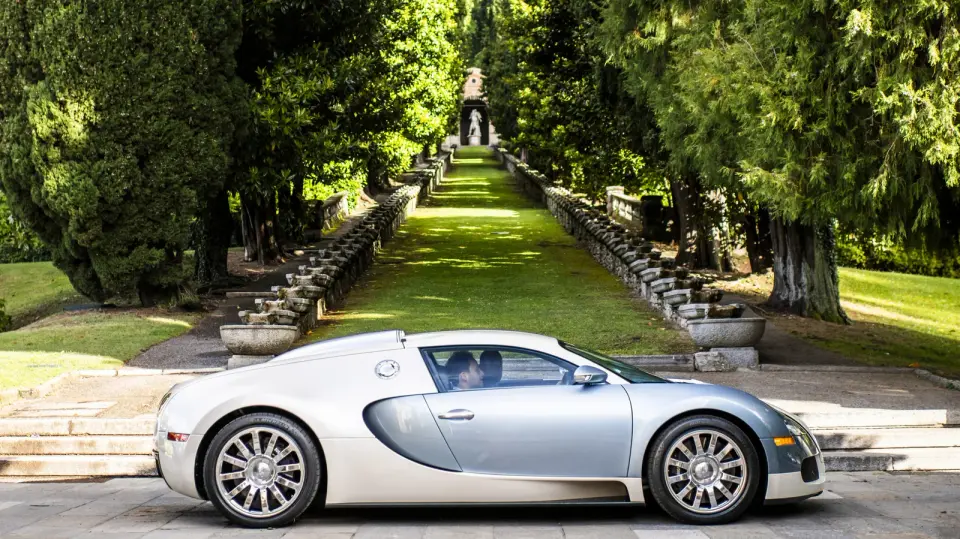
- The 2008 Bugatti Veyron, with a 1,001-horsepower W16 engine, achieves a combined 10 mpg and can empty its 26-gallon tank in just 12 minutes, costing approximately $136 in fuel.
- The 1988 Lamborghini Countach 5000QV, weighing 850 pounds more than its predecessor, achieves 6 mpg in the city and 10 mpg on the highway due to its 5.2-liter V12 engine.
Background
This analysis follows the U.S. Department of Transportation's September 2026 finalization of new Corporate Average Fuel Economy standards, which lowered the 2031 fleet average target to 34.9 mpg. This regulatory shift, part of the 'Freedom Means Affordable Cars' rule, replaced previous targets of 50.4 mpg and eliminated electric vehicle credit trading, aiming to reduce average new vehicle prices by $1,300. The current focus on inefficient vehicles highlights the tension between performance-oriented models and the new regulatory environment, as well as the impact of rising U.S. gas prices near $5 per gallon on consumer choices.
Why it matters
The identification of these seven vehicles underscores the significant gap between high-performance automotive engineering and fuel efficiency, particularly in the context of rising U.S. gas prices and new federal fuel economy standards. While these models are often valued for their performance, novelty, or historical significance, their poor fuel economy makes them impractical for many consumers. The continued appreciation in value for some of these vehicles, such as the Dodge Ram SRT-10 and Lamborghini LM002, despite their inefficiency, suggests a niche market where performance and exclusivity outweigh fuel costs. This trend may influence consumer behavior and regulatory discussions as the U.S. adjusts its fuel economy targets for 2031.
What to watch
As the U.S. Department of Transportation implements its new CAFE standards, manufacturers may face pressure to improve fuel efficiency across their fleets, potentially impacting the production and pricing of high-performance vehicles. Consumers may increasingly prioritize fuel efficiency in their purchasing decisions, especially with gas prices near $5 per gallon. The continued popularity of inefficient vehicles like the Ram 1500 TRX and Lamborghini LM002 may persist in niche markets, but broader market trends could shift toward more efficient alternatives as regulatory and economic pressures mount.
Want the full story? Read the original reporting
Read on Jalopnik