
Small Businesses Deploy CCTV and Public Shaming to Counter Influencer Entitlement
Small business owners are increasingly using surveillance footage and public rebuttals to counter false or entitled behavior by social media influencers. While influencers can drive significant sales, their demands for free products and aggressive tactics are straining relationships with independent entrepreneurs. This backlash reflects a broader shift as the influencer economy grows, with businesses seeking to protect their margins and reputations from 'rogue operators' who exploit their reach for personal gain.
Key points
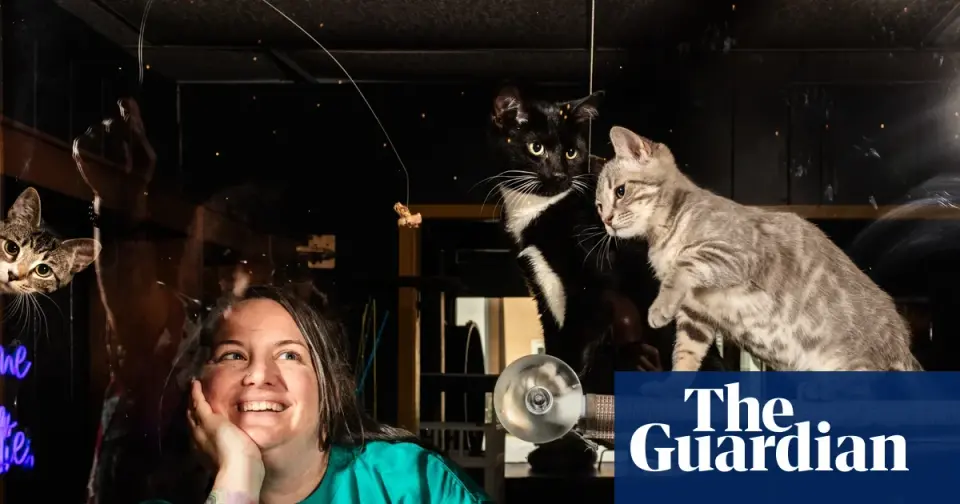
- Nicole Flanagin, owner of Brews and Mews cat cafe in Lenoir, North Carolina, posted CCTV footage to debunk a viral TikTok video by an influencer with 170,000 followers who falsely accused staff of mistreating her child. The rebuttal video gained over 640,000 views, leading to the influencer's apology.
- The conflict extends beyond individual incidents; Kelly Clarkson’s dispute with Art of Play in Brooklyn over a $15,000 mechanical bird also resulted in the business posting surveillance footage to counter her claims of poor service.
- Influencer Binky Felstead faced public backlash after her assistant requested a free cake for her son’s birthday from luxury cake maker Reshmi Bennett. Bennett, who runs Anges de Sucre, criticized the request as 'grifting' and created a joke fundraiser, highlighting the tension between high-net-worth influencers and small businesses.
- Hubert Zanier, owner of Kipferl in London, detailed a nine-month dispute with an influencer who failed to post about a free meal and later refused to pay a £300 bill, illustrating the financial risks of influencer collaborations for small businesses.
- David Maffei, founder of Halfsies Cookie Company in New York, publicly mocked influencers with small followings who request free products, posting screenshots of such requests to his Instagram 'Hall of Fame' to deter future inquiries.
Background
The creator economy has expanded significantly, valued at $250 billion and projected to nearly double by 2027, according to Forbes. This growth has blurred the lines between traditional celebrity and digital influence, with influencers now central to entertainment and marketing strategies. However, this expansion has also led to a 'takedown economy' where small businesses, often operating on thin margins, feel exploited by influencers who demand free goods or engage in aggressive content creation. Previous coverage noted the integration of influencers into mainstream media, but current tensions highlight the friction between these digital stars and independent entrepreneurs who cannot absorb the costs of such interactions.
Why it matters
The rising conflict between small businesses and influencers signals a structural shift in marketing dynamics. As influencers become more powerful, their entitlement to free products and aggressive tactics are forcing small businesses to adopt defensive strategies, such as public rebuttals and strict policies. This not only affects individual businesses but also reshapes the broader relationship between brands and digital creators, potentially leading to more regulated interactions and a reevaluation of the value of influencer marketing for small enterprises.
What to watch
Businesses are likely to continue implementing stricter policies regarding influencer interactions, including requiring written agreements and limiting free product requests. Some may ban influencers entirely, as seen in Borough Market, London, which now requires permits for professional filming crews. Additionally, small business owners are forming networks to share information about problematic influencers, aiming to coordinate responses and protect their interests. The industry may see a rise in legal or contractual frameworks to define the terms of influencer collaborations, ensuring that businesses are not exploited by 'rogue operators'.
Want the full story? Read the original reporting
Read on The Guardian