
Gen X and Millennials Shift Classic Car Market Toward Affordable 1980s and 1990s Models
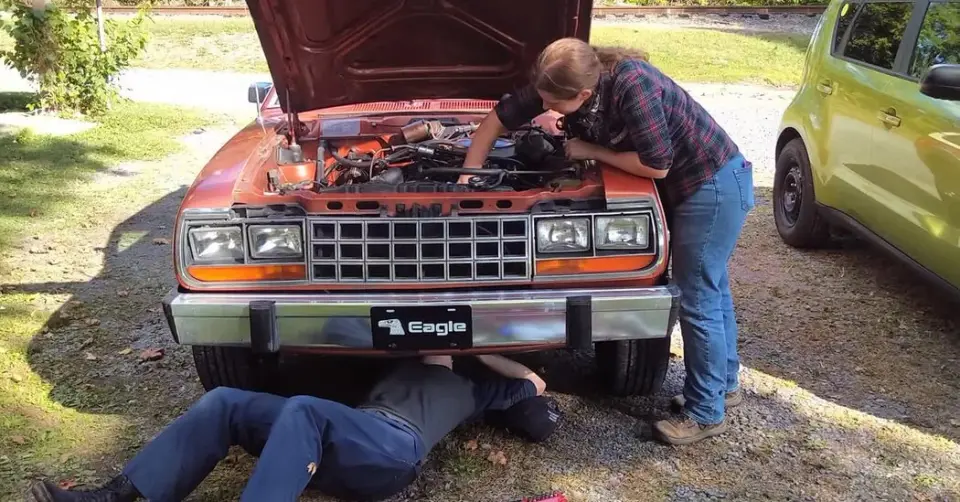
A new generation of car collectors is redefining the classic car market by favoring affordable, functional vehicles from the 1980s and 1990s, such as Mazdas and Nissans, over the expensive muscle cars preferred by baby boomers. This shift is driven by younger buyers seeking accessible entry points into the hobby, with some collectors spending less than $1,000 on vehicles that offer practical utility and relatable aesthetics. While traditional collectors focus on 1950s and 1960s models, younger enthusiasts prioritize cars that are easier to maintain and more connected to their personal experiences, creating a distinct market segment for less heralded but highly functional vintage vehicles.
Key points
- Younger collectors, including Gen X and Millennials, are increasingly entering the car collecting hobby as they reach peak earning years, bringing different preferences than baby boomers.
- This demographic favors cars from the 1980s and 1990s, such as Mazdas, Nissans, and Ford Escorts, which are often more affordable and functional than the muscle cars favored by older collectors.
- Some younger collectors, like Hallie Krala, spend less than $1,000 on vehicles, prioritizing accessibility and practicality over the high-cost, high-maintenance models of the 1950s and 1960s.
- The shift reflects a broader trend where younger buyers seek cars that are relatable to their experiences and easier to maintain, rather than the chrome-heavy, high-value classics of previous generations.
- This change in preferences is creating a new market segment for less heralded but highly functional vintage vehicles, challenging the traditional definition of a classic car.
Background
The classic car market has traditionally been dominated by baby boomers, who favored muscle cars from the 1950s and 1960s. Recent developments, such as the phase-in of smog exemptions for pre-1981 collector cars in California, have further influenced the market by making older vehicles more accessible. Additionally, the affordability of certain 1970s luxury cars has shown how maintenance costs and reliability can drive value drops, a trend that may apply to the 1980s and 1990s models favored by younger collectors. The shift in preferences also aligns with broader automotive industry changes, such as automakers moving away from external infotainment platforms to control ad revenue, reflecting a broader trend of redefining value and utility in the automotive sector.
Why it matters
The shift in classic car preferences among younger collectors signals a broader change in the automotive market, where affordability and functionality are becoming more important than prestige and high value. This trend could lead to increased demand for 1980s and 1990s models, potentially affecting their resale values and maintenance costs. Additionally, it may influence how car manufacturers and dealers market vintage vehicles, focusing on practicality and accessibility rather than exclusivity. The change also reflects a broader generational shift in values, where younger buyers prioritize experiences and practicality over traditional markers of status and wealth.
What to watch
As younger collectors continue to enter the market, expect to see a growing demand for 1980s and 1990s models, which could drive up their prices and make them more accessible to a wider audience. This shift may also lead to increased interest in the maintenance and restoration of these vehicles, as younger collectors seek to preserve and enjoy them. Additionally, the trend could influence how car manufacturers and dealers market vintage vehicles, focusing on practicality and accessibility rather than exclusivity. The change may also lead to a broader redefinition of what constitutes a classic car, with functionality and affordability becoming more important than prestige and high value.
Want the full story? Read the original reporting
Read on The New York Times