
Guardian’s Filter Tests 11 Wearables to Find the Best Sleep Trackers
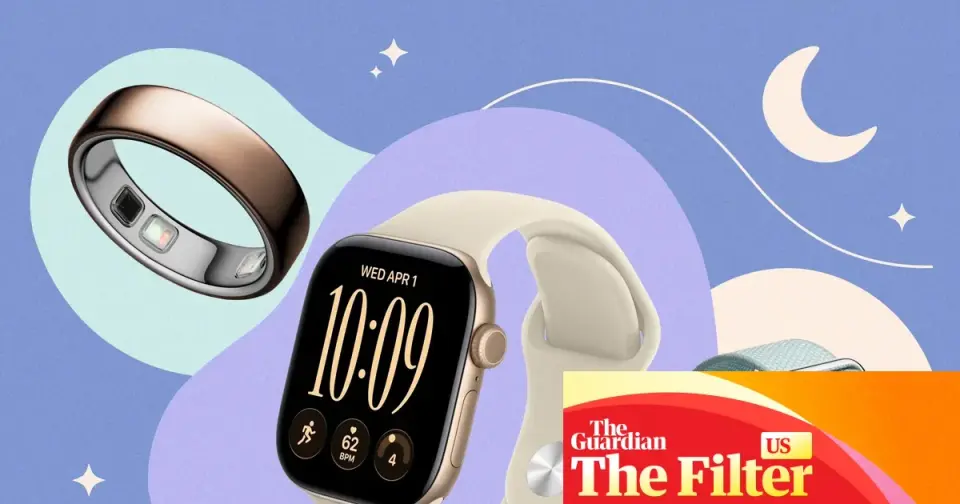
The Guardian’s Filter team tested 11 sleep-tracking devices, including smart rings, watches, and earbuds, to determine which offer the best accuracy and value. The Oura Ring 5 was named the best overall for its precision and comfort, while the Fitbit Air won the budget category for matching high-end data at a lower price. Apple Watch and Google Pixel Watch were recommended for iPhone and Android users, respectively, though both require subscriptions for full features. Garmin Cirqa was praised for having no mandatory subscription, and RingConn Gen 3 offered the best battery life. Sleep earbuds were deemed inferior for accurate tracking but useful for noise masking.
Key points
- Oura Ring 5 is the best overall, offering high accuracy comparable to clinical polysomnography, but requires a $6 monthly subscription.
- Fitbit Air is the best budget option at $100, matching Oura’s data closely except for awake time, and requires a $10 monthly subscription for full features.
- Apple Watch Series 12 is best for iPhone users, offering sleep apnea detection but only 24-hour battery life.
- Google Pixel Watch 5 is best for Android users, with inconsistent REM tracking and a 40-hour battery life.
- Garmin Cirqa is the best for users avoiding subscriptions, offering 10-day battery life and accurate sleep tracking without mandatory fees.
- RingConn Gen 3 offers the best battery life at 14 days and no subscription, but under-reports awake time.
Background
This review follows the Guardian’s Filter initiative, which tests consumer products to help buyers make informed decisions. Previous coverage includes reviews of smokeless fire pits and food items, reflecting a broader focus on practical consumer advice. The sleep tracking market has grown significantly, with devices now offering detailed metrics on sleep stages, heart rate variability, and breathing patterns, often requiring subscriptions for full access.
Why it matters
Accurate sleep tracking can help users identify lifestyle factors affecting rest, such as caffeine intake or screen time, and detect potential health issues like sleep apnea. However, the cost of subscriptions and varying accuracy levels mean consumers must weigh features against value. The review highlights that no single device is perfect, with trade-offs between accuracy, battery life, and cost.
What to watch
Consumers can use this guide to select a device based on their priorities, such as budget, platform compatibility, or subscription avoidance. Manufacturers may continue to improve accuracy and reduce subscription requirements to compete. Future reviews may focus on emerging technologies like AI-driven sleep coaching or new device form factors.
Want the full story? Read the original reporting
Read on The Guardian