
Apple Issues Second Spyware Alert Wave in Eleven Weeks, Covering 99 Countries
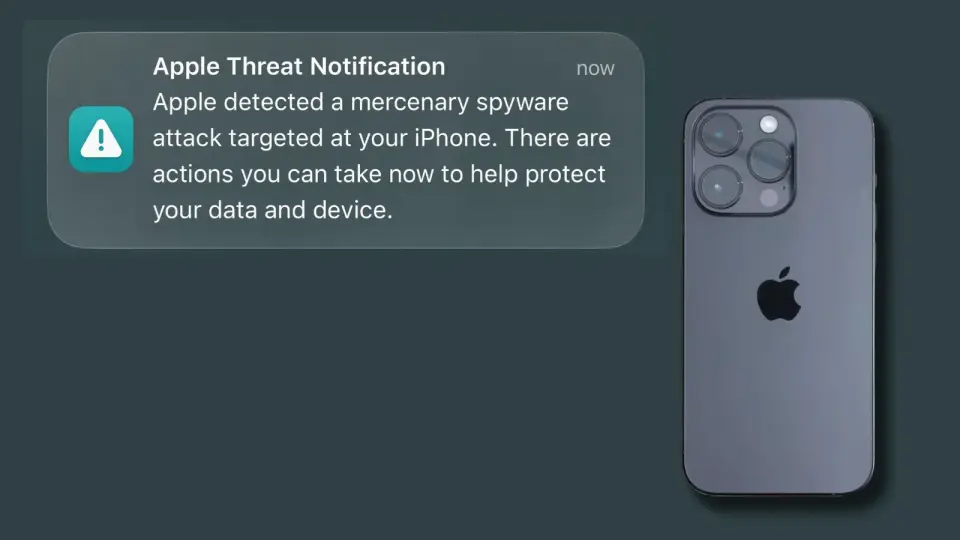
Apple issued new threat notifications on October 30, 2026, warning targeted iPhone users in 99 countries about sophisticated mercenary spyware attacks. This is the second major wave in eleven weeks, following August’s alerts, and brings the total number of notified countries since 2021 to over 150. Apple confirmed the alerts are linked to new attacks, not a retrospective review. Recipients include journalists and documentary filmmakers. Apple did not name the attackers or specific spyware tools, citing security concerns. The company advises recipients to enable Lockdown Mode and contact Access Now’s Digital Security Helpline. The timing coincides with final negotiations on the Pall Mall Process, a voluntary framework for regulating commercial hacking tools.
Key points
- Apple sent new threat notifications on October 30, 2026, to targeted users in 99 countries, distinct from the August wave.
- The alerts indicate high-confidence targeting but do not confirm successful device compromise; absence of a notification does not guarantee safety.
- Recipients include journalists and documentary filmmakers, consistent with historical mercenary spyware targeting of public figures.
- Apple recommends enabling Lockdown Mode and contacting Access Now’s Digital Security Helpline for assistance.
- The alerts coincide with final negotiations on the Pall Mall Process, a voluntary industry framework for commercial spyware regulation.
Background
Apple has issued threat notifications since 2021, with the August 2026 wave covering 110 countries and marking the first use of iPhone Lock Screen alerts. The August wave generated a record 30-40% increase in requests to Access Now. Earlier in 2026, security researchers identified P7 DarkSword, a spyware variant targeting unpatched iPhones via malicious ads, highlighting ongoing vulnerabilities in iOS devices. Apple’s threat notifications are based on internal threat intelligence and do not disclose technical detection details to prevent attackers from evading detection.
How outlets are covering it
Cyber Security News and Techaeris emphasize the novelty of the October 30 alerts as a distinct wave tied to new attacks, noting Apple’s refusal to name attackers or spyware tools. CyberScoop highlights the inclusion of journalists and documentary filmmakers among recipients and links the timing to the Pall Mall Process negotiations, with Access Now’s Natalia Krapiva arguing that voluntary guidelines are insufficient to curb spyware abuse. The 420.in notes that while Apple’s alerts are high-confidence, they do not confirm successful infection, and stresses the importance of verifying alerts via account.apple.com to avoid phishing. All sources agree that the 99-country figure reflects notification reach, not victim count, and that Apple’s detection capabilities vary by batch. CyberScoop and The 420.in both caution that the absence of a notification does not rule out infection, while Techaeris notes that the slightly lower country count compared to August does not indicate a decline in threat severity.
Why it matters
The October 30 alerts underscore the persistent threat of mercenary spyware against high-profile individuals, particularly journalists and activists, despite Apple’s detection efforts. The timing coincides with final negotiations on the Pall Mall Process, a voluntary framework for regulating commercial spyware, raising questions about the effectiveness of voluntary guidelines in curbing abuse. Apple’s recommendation to enable Lockdown Mode and contact Access Now highlights the need for proactive security measures. The alerts also serve as a reminder that spyware operations are costly, sophisticated, and targeted, requiring expert assistance for mitigation. For the broader tech industry, the alerts reinforce the need for stronger accountability mechanisms in the commercial spyware market, as voluntary commitments alone may not prevent misuse.
What to watch
Apple is expected to continue monitoring for mercenary spyware attacks and issuing threat notifications as needed. Recipients of the October 30 alerts should enable Lockdown Mode and contact Access Now’s Digital Security Helpline for assistance. The Pall Mall Process is expected to finalize its industry guidelines in November 2026, with digital rights organizations calling for stronger safeguards and accountability mechanisms. Apple may expand its threat notification system to include more detection methods, though it has not announced any changes. Users are advised to verify alerts via account.apple.com and avoid clicking links or installing apps from untrusted sources.
- Apple Warns iPhone Users in 99 Countries of Sophisticated Mercenary Spyware Attacks CyberSecurityNews
- Apple notifications alert victims in 99 countries about mercenary spyware infections CyberScoop
- Apple Sends New Threat Notifications to Users in 99 Countries Techaeris
- Apple Sends Spyware Threat Alerts To Targeted Users Across 99 Countries The 420.in
- Apple warns iPhone users in 99 countries of mercenary spyware Pasquale Pillitteri
Want the full story? Read the original reporting
Read on CyberSecurityNews