
Russian SVR-linked group hijacks hotel Wi-Fi to steal Microsoft 365 tokens
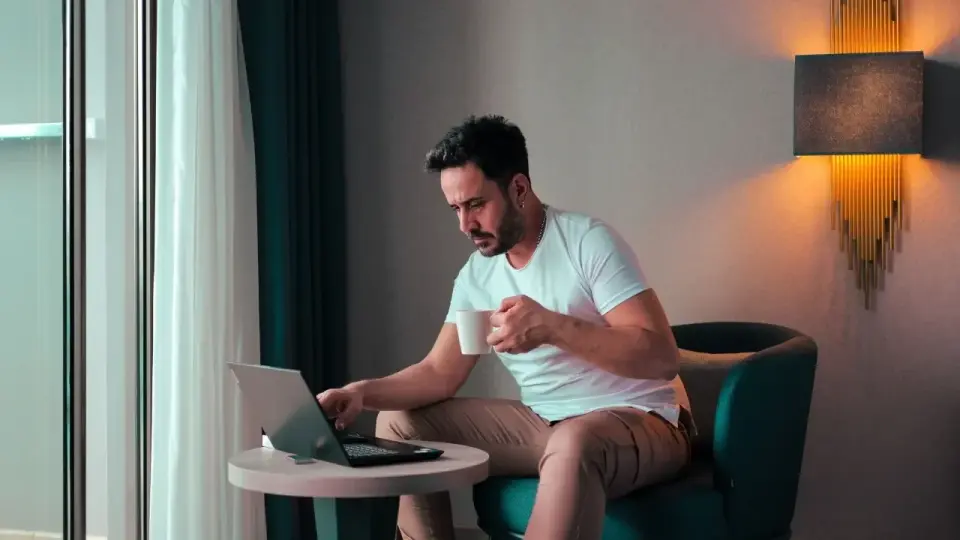
A Russian state-linked hacking group is hijacking hotel and conference Wi-Fi networks to redirect business travelers to fake Microsoft 365 login pages and deliver malware. The campaign, dubbed CaptiveCrunch, targets corporate travelers worldwide by manipulating DNS settings on compromised captive portal gateways. Attackers use fake update prompts to install surveillance tools and exploit device-code authentication to bypass multi-factor authentication. Security experts advise travelers to use mobile hotspots or full-tunnel VPNs and to verify login URLs before entering credentials.
Key points
- Microsoft Threat Intelligence attributes the CaptiveCrunch campaign to Storm-2945, a sub-cluster of Midnight Blizzard (APT29), a group linked to Russia's Foreign Intelligence Service (SVR).
- The attack manipulates DNS and HTTP traffic on captive portal networks at hotels, conference centers, and shared venues worldwide, active since early May 2026.
- Attackers deliver CornFlake, a Go-based remote access trojan, via fake update prompts, and ChocoShell, a PowerShell infostealer, to steal browser cookies and Microsoft 365 tokens.
- The campaign exploits Microsoft Entra ID device-code authentication, allowing attackers to bypass multi-factor authentication by tricking users into approving a malicious device request.
- ReliaQuest identified fake Microsoft domains like m365-owa.com and ms365-device.com, while Microsoft noted the use of AI to develop malware variants and evade detection.
- Security experts recommend using full-tunnel VPNs, mobile hotspots, and disabling device-code authentication in Conditional Access policies to mitigate the risk.
Background
This campaign follows a series of Microsoft 365 phishing attacks in 2026, including the Kratos takedown and the Kali365 and ConsentFix kits, which also targeted MFA bypasses. The current operation shares technical similarities with the Forest Blizzard DNS hijacking disclosed in April 2026, though Microsoft attributes CaptiveCrunch to Storm-2945 rather than APT28.
How outlets are covering it
Fox News and ReliaQuest emphasize the phishing aspect, highlighting fake Microsoft 365 login pages and the risk to business travelers. Microsoft Threat Intelligence provides a broader view, detailing the malware delivery (CornFlake and ChocoShell) and the attribution to Midnight Blizzard. Security Affairs and The Hacker News focus on the technical tradecraft, including the use of ClickFix prompts and the exploitation of device-code authentication. All sources agree on the need for robust defenses like VPNs and Conditional Access policies, but Microsoft and The Hacker News stress the importance of blocking device-code flows, while Fox News and ReliaQuest focus on user awareness and URL verification.
Why it matters
The campaign targets corporate travelers in high-value sectors, potentially exposing sensitive business data and enabling lateral movement within cloud environments. The use of AI to develop malware and the exploitation of MFA bypasses highlight the evolving sophistication of state-linked threat actors. Organizations must update their security policies and educate employees to mitigate the risk of compromised credentials and data exfiltration.
What to watch
Microsoft and security firms will continue to monitor the CaptiveCrunch campaign for new indicators of compromise and malware variants. Organizations should review their Conditional Access policies to block device-code authentication and ensure employees use secure connections when traveling. Further investigation into the initial compromise vector of the captive portal networks is ongoing, with potential implications for shared infrastructure providers.
- Hotel Wi-Fi phishing attack targets Microsoft logins Fox News
- CaptiveCrunch: Midnight Blizzard targets travelers worldwide for malware delivery and credential theft microsoft.com
- Russian Hackers Hijack Hotel Wi-Fi to Steal Microsoft 365 Tokens Security Affairs
- Hijacked Hotel Wi-Fi Pushes Fake Updates to Deliver Surveillance Malware The Hacker News
- Microsoft Issues Hotel Wi-Fi Warning For Windows PC Users Forbes
Want the full story? Read the original reporting
Read on Fox News