
Thermo Fisher patches critical DNA software flaw allowing undetectable AI-driven tampering
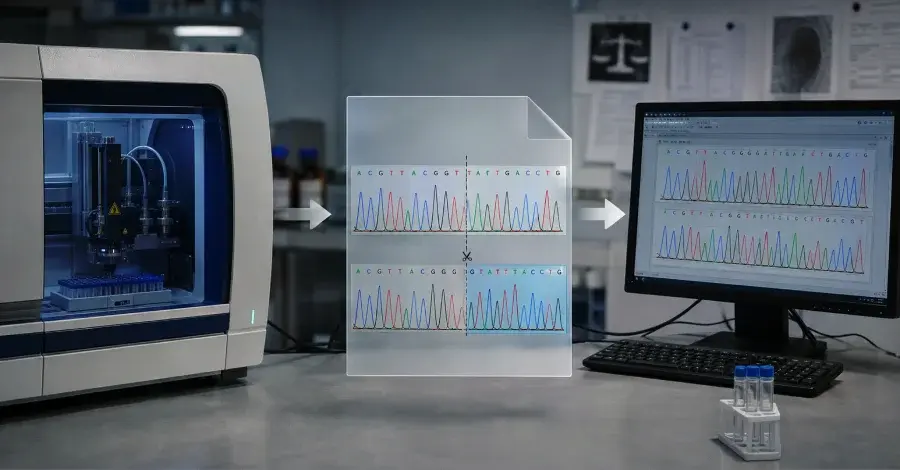
Thermo Fisher Scientific has patched a high-severity vulnerability in Applied Biosystems software that allowed attackers to undetectably alter digital DNA evidence files. The flaw, identified by researchers using AI tools, could enable the manipulation of forensic data used in criminal cases. While the vendor has released updates with digital signatures for five product lines, three older systems remain unsupported, and experts warn that prior tampering may be impossible to detect.
Key points
- Thermo Fisher patched CVE-2026-17583, a High-severity flaw (CVSS 8.2) in Applied Biosystems human identification software that allowed undetectable modification of .fsa and .hid data files before analysis.
- Researchers Nathan Adams, Kevin Dyer, and Laura Gaydosh Combs demonstrated the vulnerability using Anthropic’s Claude AI, successfully modifying DNA scan files in approximately 45 minutes without triggering warnings in standard analysis software.
- The vulnerability affects digital records generated since 1995, potentially compromising 30 years of forensic evidence, though Thermo Fisher states no known instances of exploitation have occurred.
- Updates adding digital signatures were released for five product lines, including the 3500/3500xL and 3730/3730xL Series, while three end-of-life products, such as the 3130 Series, will not receive fixes.
- Thermo Fisher recommends strict file custody, encryption, and access controls for labs unable to patch, but the bulletin does not clarify how to validate files generated before the update.
Background
This incident follows a broader trend of AI-assisted exploitation of software vulnerabilities, similar to recent rapid attacks on WordPress and Chrome. Unlike those cases, this flaw targets forensic integrity rather than general system access, highlighting gaps in legacy scientific software security. The lack of a centralized regulator for forensic labs, as noted by experts, exacerbates the risk of inconsistent security measures across the 200+ US crime labs using this technology.
How outlets are covering it
The Hacker News and TechRadar both emphasize the severity of the flaw and the ease with which AI tools like Claude could be used to exploit it, citing the 45-minute demonstration. However, they differ in tone regarding historical impact: The Hacker News notes the absence of public evidence linking altered casework to the flaw, while TechRadar highlights expert concerns that 30 years of crime files are at risk and that forensic science has lagged behind other industries in security practices. Inshorts frames the issue more broadly as a threat to justice, warning that attackers could frame innocents or erase suspects, whereas Thermo Fisher’s official stance, reported by all sources, focuses on the immediate patch and the lack of known exploitation.
Why it matters
The vulnerability undermines the integrity of DNA evidence, which is often considered the gold standard in forensic science. If exploited, it could lead to wrongful convictions or the release of guilty parties. The inability to detect prior tampering creates a significant legal and ethical risk for the justice system, necessitating immediate attention from laboratories and policymakers to ensure the reliability of digital forensic records.
What to watch
Labs must install the latest software updates to enable digital signatures for new files. Those unable to patch should implement Thermo Fisher’s recommended controls, including encrypted storage and restricted access. Researchers and policymakers may push for standardized security protocols in forensic labs, given the lack of centralized regulation. Thermo Fisher has not addressed how to validate pre-update files, leaving a gap in historical data integrity.
- Thermo Fisher Patches Flaw That Could Make DNA File Tampering Nearly Undetectable The Hacker News
- Exclusive | Security Flaw Placed 30 Years of DNA Evidence at Risk of Hacking WSJ
- Security Flaw Left Popular DNA Software Vulnerable to Hacking for 30 Years Forensic Magazine
- Flaw lets AI alter 30 years of crime scene DNA evidence, warn researchers | 'We've developed security updates' | Inshorts Inshorts
- 'We’ve been behind the ball for so long': Experts say DNA samples from crime-scene forensics can be modified and even switched using an AI tool TechRadar
Want the full story? Read the original reporting
Read on The Hacker News