
Tidal Energy’s High Power Output Is Outweighed by Cost and Environmental Risks
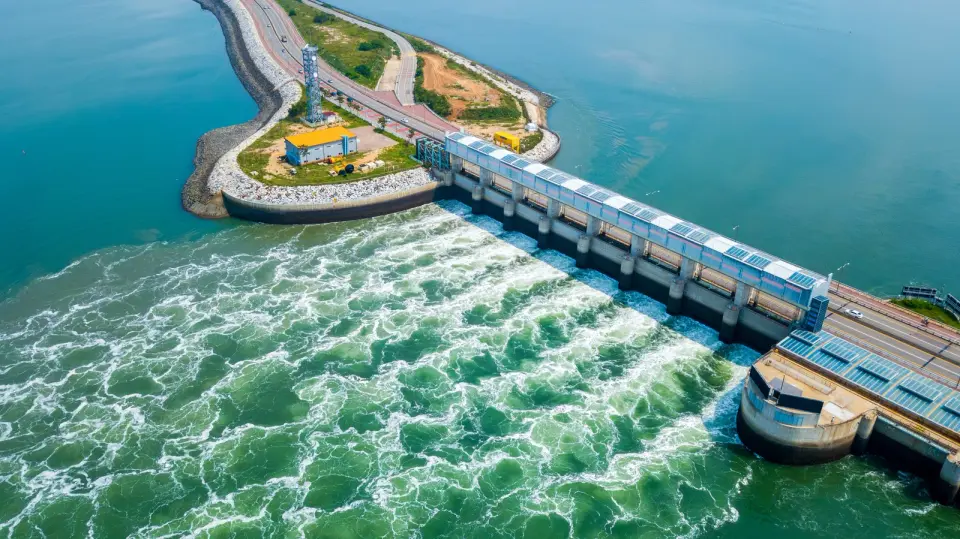
Tidal energy offers near-zero carbon emissions and high power density but faces significant barriers including extreme upfront costs, limited geographic suitability, and potential harm to marine life.
Key points
- Tidal turbines generate power from ocean movements driven by the sun and moon, offering a renewable resource that does not deplete.
- The largest tidal facility in South Korea’s Sihwa Lake can produce up to 254 megawatts, significantly outperforming wind in raw output due to water’s higher density.
- Operating costs in the U.S. can reach $280 per megawatt hour, compared to $20 for wind turbines, according to a 2019 Department of Energy study.
- Installation requires specialized equipment to withstand water pressure and corrosion, with construction taking several years and limited to specific coastal zones.
- Environmental concerns include noise pollution affecting seals, electromagnetic interference disrupting shark and whale navigation, and physical displacement of marine creatures.
- While tides are highly predictable, they are intermittent, requiring battery storage or backup power sources to ensure consistent energy supply.
Background
Recent energy discussions have focused on gas turbine acquisitions for AI data centers and the risks posed to global oil supplies by geopolitical conflicts, highlighting the ongoing tension between fossil fuel reliance and renewable alternatives. Additionally, studies on hydropower turbine blade geometry have shown that design changes can significantly improve fish survival, a relevant consideration for any underwater energy infrastructure aiming to minimize ecological impact.
Why it matters
As the world seeks reliable, low-carbon energy sources, tidal energy presents a viable but challenging option. Its high power output and predictability offer advantages over wind and solar, but the prohibitive costs and environmental risks limit widespread adoption. Understanding these trade-offs is crucial for policymakers and investors evaluating the future of renewable energy infrastructure.
What to watch
Future developments will likely focus on reducing installation costs and mitigating environmental impacts through improved turbine design and strategic site selection. Countries with optimal tidal conditions, such as Australia, Spain, and Norway, may lead in pilot projects, while advancements in energy storage could help address the intermittency issue.
Want the full story? Read the original reporting
Read on bgr.com