
Big Walk Redefines Co-op Play Through Proximity and Emotional Connection
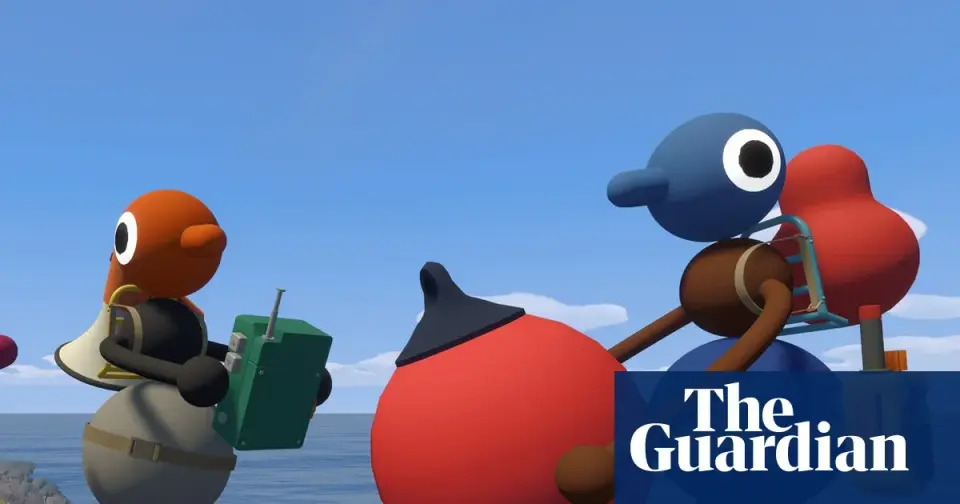
House House’s Big Walk, released in late 2026, has become a commercial and critical success, amassing over one million downloads in its first week. The game, available on PC, PlayStation 5, and Nintendo Switch 2, is a cooperative exploration title set on a realistic island modeled after Wilsons Promontory in Australia. Unlike traditional multiplayer games, Big Walk features no health bars, fail states, or combat. Instead, it relies on proximity voice chat, where players can only hear those nearby, forcing them to navigate a vast, darkening landscape together. The core loop involves solving communication-based puzzles and exploring the environment, rewarding players with red collectible objects that unlock new map areas. The game is praised for its meticulous design, emotional resonance, and ability to foster genuine social connection among players, distinguishing it from the 'friendslop' genre of hastily assembled multiplayer titles.
Key points
- Big Walk achieved over 1 million downloads in its first week, following the success of Untitled Goose Game.
- The game features a realistic open world based on Wilsons Promontory, Australia, with a day-night cycle that creates genuine darkness.
- Proximity voice chat is central to gameplay, removing traditional party chat to force players to rely on physical closeness and environmental communication tools.
- There are no health bars, stamina meters, or fail states; the challenge is purely navigational and social.
- Puzzles require cooperative communication, often involving separated players using walkie-talkies or visual gestures.
- Collecting red objects (variously called peanuts, gourds, or eggs) unlocks new areas like railways and tunnels.
Background
Big Walk is the latest title from Melbourne-based developer House House, known for Untitled Goose Game. The game’s development began during the COVID-19 lockdowns as a prototype for online friends. Earlier coverage noted that the game evolved from this prototype into a polished co-op experience, with developers discussing how sound design and accessibility shaped the final product. Speedrunners have already found glitches to bypass the walking mechanics, but the intended experience focuses on slow, deliberate exploration and social interaction.
How outlets are covering it
The Guardian emphasizes the emotional and artistic aspects of Big Walk, highlighting how the game fosters deep connections, with players sharing stories of reuniting with family members and finding joy in loss. GameSpot offers a contrasting view, arguing that the game’s lack of fail states and realistic darkness create a unique form of horror, comparing the anxiety of getting lost in the dark to the 1999 film The Blair Witch Project. Finger Guns praises the game’s meticulous design, calling it a 'friendgourmet' rather than 'friendslop,' and highlights the open-ended puzzle solutions and social freedom. Gamer Matters agrees with this distinction, noting that Big Walk’s implementation of proximity chat is not just a feature but a core design philosophy that trusts players to communicate like real people, avoiding the jankiness of typical 'friendslop' titles. While all sources agree on the game’s quality, they differ in emphasis: The Guardian focuses on emotional impact, GameSpot on tension and fear, and Finger Guns and Gamer Matters on design polish and genre redefinition.
Why it matters
Big Walk’s success challenges the current trend of 'friendslop' multiplayer games, which are often criticized for being hastily assembled. By prioritizing meticulous design, emotional connection, and realistic social interaction, Big Walk sets a new standard for co-op games. It demonstrates that a game without combat or fail states can be engaging and commercially successful, appealing to players seeking meaningful social experiences in a digital space. The game’s emphasis on proximity chat and environmental communication also highlights the potential for more nuanced multiplayer interactions in future titles.
What to watch
Big Walk is currently available on PC, PlayStation 5, and Nintendo Switch 2. The game’s success may lead to further exploration of proximity-based mechanics in other genres. House House may also expand on the game’s world or introduce new content, given its strong reception. The ongoing debate about 'friendslop' versus 'friendgourmet' may influence how developers approach multiplayer design in the future, with a greater focus on polish and emotional resonance.
- In Big Walk, players just walk and talk – and find joy along the way: ‘Some stories we’ve heard are punch-in-the-gut beautiful’ The Guardian
- 2026’s Best Horror Game Isn’t Even A Horror Game GameSpot
- Big Walk Review (PS5) – An Unexpected Journey fingerguns.net
- Big Walk Isn’t “Friendslop,” It’s “Friendgourmet” Gamer Matters
- Untitled Goose Game studio turns Victoria into a playground ABC News & Headlines – Australian Broadcasting Corporation
Want the full story? Read the original reporting
Read on The Guardian