
Teen's $200 Steam Game Earns $1.3M Before Mass Refunds Leave Him With $2,000
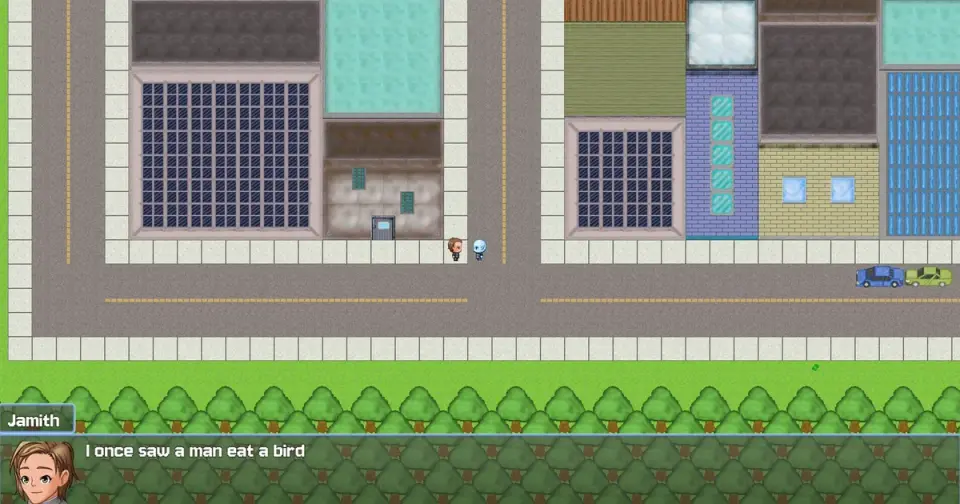
An 18-year-old developer released a deliberately unplayable game priced at Steam's maximum limit of $200. The title generated $1.3 million in sales from thousands of buyers, primarily in China, but nearly all purchases were refunded. The developer ultimately retained only about $2,000, highlighting potential exploits of Valve's refund system.
Key points
- Michael Major, an 18-year-old from New Hampshire, released 'This Game Costs 200 Dollars' in January 2026, two days after a $10 predecessor.
- The game was priced at $200, the maximum allowed on Steam, and is described as an asset-flipping joke with no real gameplay.
- The title generated $1.3 million in revenue from 6,717 sales, with 6,705 buyers located in China.
- Nearly all Chinese buyers refunded the game immediately without playing it, leaving Major with approximately $2,000 in net revenue.
- Major suspects the refunds were part of a scheme to earn points or launder money, though he lacks definitive proof.
Background
This incident follows broader discussions about Steam's refund policies and the potential for exploitation by international buyers. While Valve allows refunds for unplayed games, the scale of this specific incident—where almost all sales were reversed—raises questions about the integrity of the platform's financial data. It also contrasts with previous archive items regarding high-cost security or legal issues, highlighting a unique economic anomaly in the gaming industry.
How outlets are covering it
Rock Paper Shotgun emphasizes the absurdity of the situation, noting the game's poor quality and the developer's shock at the revenue spike. WMUR focuses on the local angle, highlighting Major's age and the specific mechanics of the refund exploit. Both sources agree on the core facts but differ in tone: RPS treats it as a humorous industry curiosity, while WMUR frames it as a potential fraud or money laundering scheme. Neither source provides official confirmation from Valve regarding the nature of the Chinese purchases.
Why it matters
This case illustrates the vulnerabilities in digital marketplaces where high-priced items can be used for financial manipulation or point-farming. It also underscores the real-world consequences of Valve's generous refund policy, which can inadvertently facilitate large-scale fraud. For developers, it serves as a cautionary tale about the risks of extreme pricing strategies and the unpredictability of global consumer behavior on digital platforms.
What to watch
Valve has not yet issued a public statement regarding the mass refunds or potential policy changes. Major is likely to monitor his sales data for further anomalies. The incident may prompt Valve to review refund patterns for high-priced titles or implement stricter verification for international purchases to prevent similar exploits.
- This Game Costs 200 Dollars is a game that really does cost $200, doesn't look very good, and almost made its dev $1.3 million Rock Paper Shotgun
- Steam Meme Game Made in Days Almost Turned Teen Into a Millionaire Polygon.com
- 'The Swindle to End All Swindles' — How One Teen Developer Almost Made a Fortune From a 200 Dollar Prank Game IGN
- 'I was this close': NH teen's video game makes over $1 million overseas, but he can't keep it WMUR
- Teen Indie Dev Made $2,000 From $1.3M in Game Sales games.gg
Want the full story? Read the original reporting
Read on Rock Paper Shotgun