
Analysts and Insiders Clash Over Whether Gears of War: E-Day's Sales Reflect Xbox's Subscription Strategy or Strategic Failure
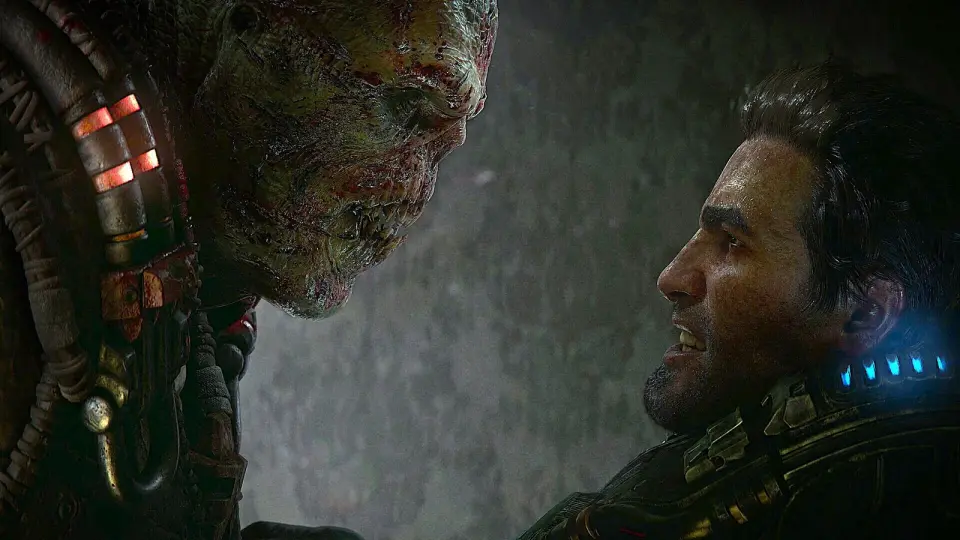
Gears of War: E-Day generated critical acclaim but faced scrutiny over its reported $500 million budget and modest retail sales. While some argue these figures are misleading due to Game Pass economics and engine overhead, analysts note that exclusivity has not reversed declining hardware trends.
Key points
- The game reportedly cost over $500 million to develop, a figure former Xbox manager Derek Reese attributes partly to The Coalition's burden of maintaining Microsoft's custom Unreal Engine branch.
- Retail sales were reported at approximately 400,000 copies, though Windows Central argues this metric ignores the 1.7 million players who accessed the game via Game Pass.
- Circana analyst Mat Piscatella states that Xbox's recent initiatives, including making Gears exclusive and removing Call of Duty from Game Pass, have failed to improve hardware sales or engagement.
- Xbox CEO Asha Sharma maintains that console sales are constrained by supply issues, while Microsoft expects content and services revenue to return to growth next quarter.
- Windows Central argues that expecting players to pay $70 for a game already available on their $22.99 monthly Game Pass subscription misunderstands the economic model Microsoft designed.
Background
Gears of War: E-Day launched on October 6, 2026, as a day-one Game Pass exclusive. Initial reports indicated 230,000 copies sold in the first week, but subsequent data suggested 1.7 million players accessed the title through subscription. The release was part of Xbox CEO Asha Sharma's strategy to rebuild hardware momentum through exclusivity, following a period of declining console sales and a shift toward multiplatform releases.
How outlets are covering it
Windows Central defends the game's performance, arguing that the $500 million budget includes operational overhead for Unreal Engine support, not just direct development costs. They contend that blaming players for using Game Pass is a double standard, as subscribers spend 20% more on gaming than non-subscribers. In contrast, Wccftech cites Circana analyst Mat Piscatella, who argues that exclusivity has had no positive impact on hardware trends and that removing Call of Duty from Game Pass cut engagement in half without boosting full-price sales. TwistedVoxel highlights Derek Reese's explanation that The Coalition's financial burden stems from maintaining internal engine technology, a cost previously borne by studios like Turn 10 for ForzaTech.
Why it matters
The debate highlights a fundamental tension in Microsoft's gaming strategy: whether day-one Game Pass exclusivity can drive hardware sales or if it undermines traditional retail metrics. If Xbox interprets weak retail sales as a failure of exclusivity rather than a predictable outcome of its subscription model, it may make premature strategic corrections that further weaken its platform's value proposition.
What to watch
Microsoft expects content and services revenue to return to growth next quarter. The long-term success of Xbox's exclusivity strategy will depend on whether a sustained pipeline of high-profile titles, such as The Elder Scrolls 6, can rebuild hardware momentum over the coming years, rather than relying on single releases like Gears of War: E-Day.
- Why blaming Xbox players for 'Gears of War: E-Day' sales is completely ridiculous Windows Central
- Xbox CEO Asha Sharma Pointed to Record Minecraft and World of Warcraft Forever Sales, but Circana Sees No Impact From Her Initiatives Wccftech
- A tale of 2 exclusives in the multiplatform era: Wolverine helps sell PS5s, but Gears doesn’t move the needle for Xbox Yahoo Tech
- Gears of War: E-Day $500M Budget vs 400K Sales [2026] https://tech-insider.org/
- Former Xbox Manager Explains Why The Coalition's Unreal Engine Responsibilities May Be Driving Up Gears of War: E-Day Costs TwistedVoxel
Want the full story? Read the original reporting
Read on Windows Central