
BioWare Closure Ends Mass Effect: Universe, Leaving Fans and Staff Grieving a Promising Project
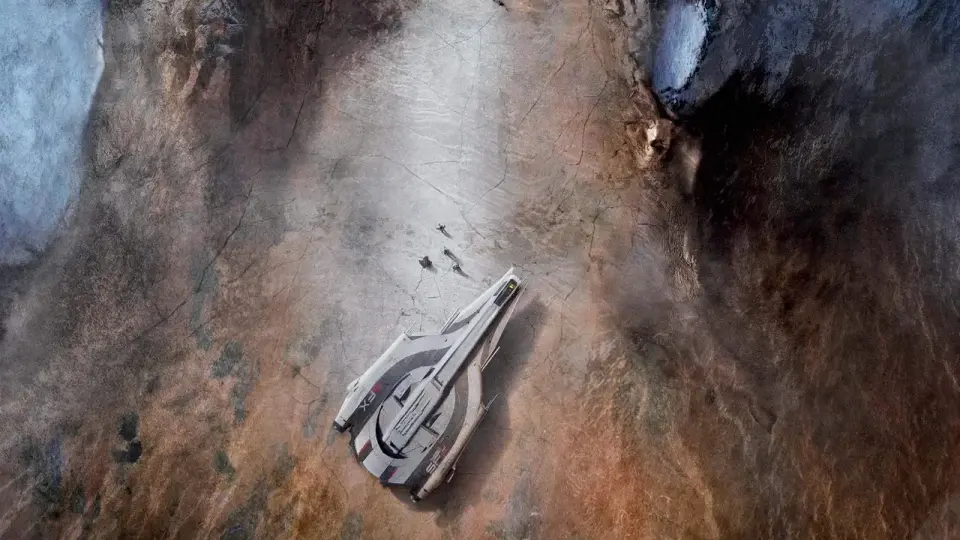
Electronic Arts has permanently closed BioWare, cancelling the upcoming Mass Effect: Universe and laying off over 400 staff. While fans launch massive petitions to save the franchise, former developers describe the cancelled project as a tightly knit, ambitious effort that was progressing well before the studio's abrupt shutdown.
Key points
- EA announced the closure of BioWare on October 21, 2026, ending development on Mass Effect: Universe and resulting in more than 400 job losses.
- The closure occurred less than three months after EA completed a $55 billion acquisition led by Saudi Arabia's Public Investment Fund, Silver Lake, and Affinity Partners.
- Nicolas Sparth Bouvier, the recently appointed art director, stated that the small team was 'tightly knit' and working effectively, describing the loss as heartbreaking.
- A Change.org petition demanding EA license the IP to another studio or continue development has gathered over 223,000 signatures.
- The original Mass Effect trilogy, released between 2007 and 2012, remains highly influential for its choice-driven narrative and character development.
Background
BioWare, a studio with a 30-year history, had not released a critical or commercial hit in over a decade, with recent titles like Anthem and Dragon Age: The Veilguard facing significant criticism. The closure follows EA's acquisition, which involved a leveraged buyout linked to Jared Kushner and Saudi wealth funds, leading to cost-cutting measures. Earlier reports indicated that Mass Effect: Universe featured complex narrative systems allowing parallel timelines based on player choices, and a leaked trailer revealed new characters, including a male Quarian, sparking initial fan outrage.
How outlets are covering it
Kotaku emphasizes the internal dynamics of the development team, highlighting accounts from staff like art director Nicolas Sparth Bouvier and writer Derek Künsken who described the collaboration as highly effective and ambitious. The Guardian focuses on the emotional impact on fans and the historical significance of the Mass Effect trilogy, noting BioWare's lack of recent commercial success as a reason for the closure. GamesIndustry.biz centers on the fan response, detailing the scale of the petition and the demand for EA to license the intellectual property to another studio. While Kotaku and The Guardian acknowledge the studio's recent struggles, they contrast this with the positive trajectory of the cancelled project, whereas GamesIndustry.biz highlights the public pressure on EA to act.
Why it matters
The closure of BioWare marks the end of a major RPG developer and the cancellation of a highly anticipated sci-fi title, raising concerns about the impact of corporate acquisitions on creative studios. The massive fan backlash and petition highlight the enduring cultural significance of the Mass Effect franchise and the potential for public pressure to influence corporate decisions regarding intellectual property licensing.
What to watch
EA has not publicly commented on the future of the Mass Effect or Dragon Age franchises beyond confirming the cancellation of the next Mass Effect game. Fans continue to organize protests, including billboards in Times Square and near EA headquarters, while the petition campaign seeks to force EA to license the IP or fund continued development. The outcome of these efforts will determine whether the franchise continues under a new studio or remains dormant.
- It Really Sounds Like The Mass Effect 5 Team Had Figured It All Out Before The BioWare Shutdown: ‘I’ve Rarely Seen A Group So Good At Working Together’ Kotaku
- A farewell to BioWare, maker of some of the best games of the 21st century | Lucy James The Guardian
- Mass Effect: Universe Would Have Allowed Players To 'Generate' Timelines That Acknowledged Multiple Choices From The Trilogy Kotaku
- 223,000+ people sign petition to "save Mass Effect" GamesIndustry.biz
- Mass Effect: Universe Looked Great, and BioWare's Closure Means It's Been Taken Away Just When We Needed It Most IGN
Want the full story? Read the original reporting
Read on Kotaku