
BioWare’s 2002 RPG survives via community tools, not its single-player campaign
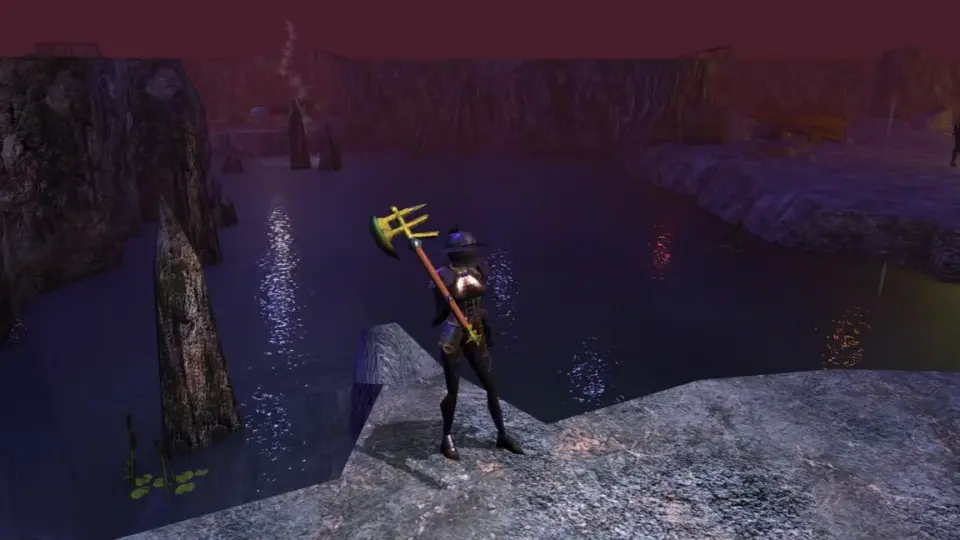
Two decades after release, BioWare’s Neverwinter Nights retains an active player base not because of its original story, but due to its robust modding tools and persistent multiplayer servers. While the single-player campaign is considered mediocre by modern standards, the game’s construction kit allows users to create custom worlds, sustaining a niche but dedicated community.
Key points
- Neverwinter Nights was designed with four equal pillars: single-player, multiplayer, dungeon master tools, and a module creation kit, though the single-player aspect is often viewed as the weakest link.
- The game’s single-player campaign, 'The Wailing Death,' lacks the depth of BioWare’s other RPGs like Baldur’s Gate, offering limited tactical choices and a blank-slate character system that hinders narrative immersion.
- Community servers like Arelith have thrived, with peak player counts occurring recently rather than at launch, driven by user-generated content and a tight-knit social structure similar to old text-based MUDs.
- The game’s toolset is praised for being powerful yet approachable, allowing non-programmers to build complex RPG scenarios, which has kept the game relevant for those interested in game design and tabletop emulation.
- A recent resurgence on social media platforms like TikTok has introduced new players to the game, with some server videos reaching hundreds of thousands of viewers, while the Enhanced Edition remains the preferred version for about 65% of the community.
Background
Neverwinter Nights was released in 2002 by BioWare, the studio known for Baldur’s Gate and Mass Effect. Unlike its predecessors, it emphasized multiplayer and modding over a linear single-player narrative. Although it did not achieve the same cultural status as other BioWare titles, it has maintained a dedicated niche audience through community-driven servers and tools. The game’s legacy is defined less by its original content and more by the creative freedom it offers to players who act as developers and dungeon masters.
Why it matters
Neverwinter Nights demonstrates how a game can outlive its initial commercial success through community engagement and technical flexibility. Its survival highlights the enduring appeal of user-generated content and small-scale multiplayer communities in an era dominated by massive, service-based MMOs. The game serves as a case study in how niche tools can sustain a title long after its mainstream relevance fades, influencing modern approaches to modding and community management in gaming.
What to watch
The community continues to develop new servers and content, with Arelith planning a visual overhaul of the original campaign for release next year. The game’s presence on social media platforms like TikTok may continue to attract new players, potentially leading to further growth in its active user base. The Enhanced Edition remains the primary platform for new and returning players, supported by Beamdog and community hubs like the Neverwinter Vault.
Want the full story? Read the original reporting
Read on Ars Technica