
Global Timekeepers Abolish Leap Seconds, Replacing Them with a Distant Leap Hour
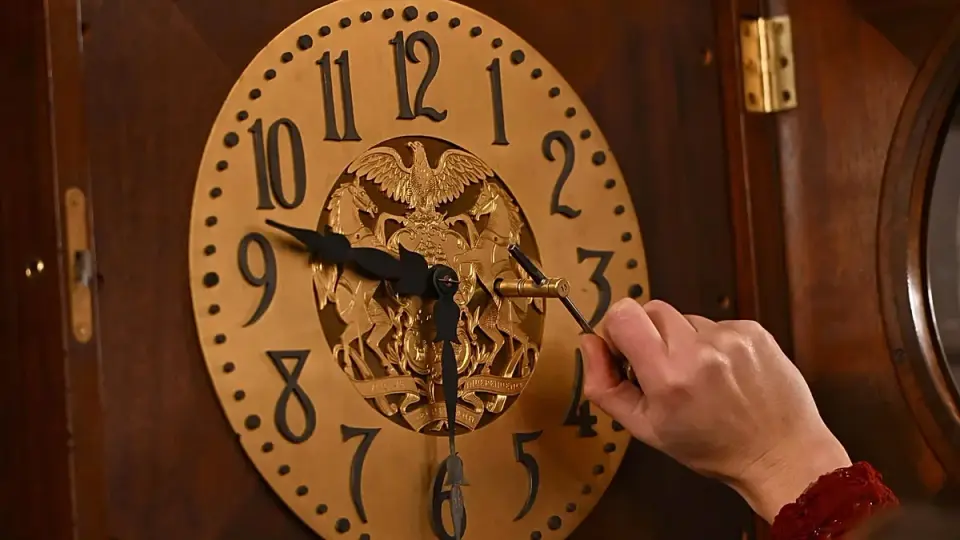
The General Conference on Weights and Measures voted on October 15, 2026, to abolish the leap second starting May 20, 2027. This move replaces irregular second adjustments with a rare 'leap hour' to prevent global tech failures.
Key points
- Delegates from 69 member states voted to end the practice of adding leap seconds to Coordinated Universal Time (UTC) effective May 20, 2027.
- The decision replaces the leap second with a 'leap hour,' allowing UTC to drift from astronomical time by up to 3,600 seconds before a correction is needed.
- The change aims to prevent system crashes in digital infrastructure, which has previously failed during leap second insertions, such as the 2012 incidents affecting Reddit and LinkedIn.
- Recent acceleration in Earth's rotation raised the risk of a 'negative leap second,' a scenario never tested in software, prompting the accelerated timeline for the change.
- Specialist fields like astronomy and geodesy will need to account for the growing gap between atomic time and Earth's rotation, but everyday life and daylight saving time remain unaffected.
Background
Since 1972, 27 leap seconds have been added to UTC to keep atomic clocks aligned with Earth's rotation. The last addition occurred in 2016. Previous discussions in 2022 considered scrapping the practice by 2035, but recent technological risks and changes in Earth's spin accelerated the timeline to 2027.
How outlets are covering it
Euronews and Al Jazeera emphasize the technical risks to computer systems and the potential for a negative leap second. The Guardian highlights the shift to a 'leap hour' as a more manageable correction, noting that such a change is unlikely for thousands of years. Smithsonian Magazine points out that while the leap second is being scrapped, the gap between clock time and astronomical time will grow, requiring specialists to adjust their measurements. Russia previously opposed the move due to impacts on its GLONASS satellite navigation system, but the vote proceeded with support from 69 member states.
Why it matters
The abolition of the leap second stabilizes global digital infrastructure by eliminating irregular time adjustments that can cause system failures. It simplifies timekeeping for computers, telecoms, and financial markets, ensuring long-term reliability without the need for frequent, disruptive corrections.
What to watch
The new timekeeping rules take effect on May 20, 2027. UTC will run continuously without leap seconds, and a leap hour will only be considered if the gap between atomic and astronomical time reaches one hour, which experts estimate could take millennia.
- World time to drop the leap second from May 2027 Euronews.com
- The Leap Second Has Been Canceled The New York Times
- How an accelerating Earth led experts to adopt the leap hour The Guardian
- Clock ticking for leap second: Why timekeeping could change forever Al Jazeera
- It's Official: Timekeepers Have Gotten Rid of the Leap Second—and Introduced the Leap Hour Instead Smithsonian Magazine
Want the full story? Read the original reporting
Read on Euronews.com