
Computational Analysis Suggests Super Mario 64 Plaque Reads 'Eternal Star'
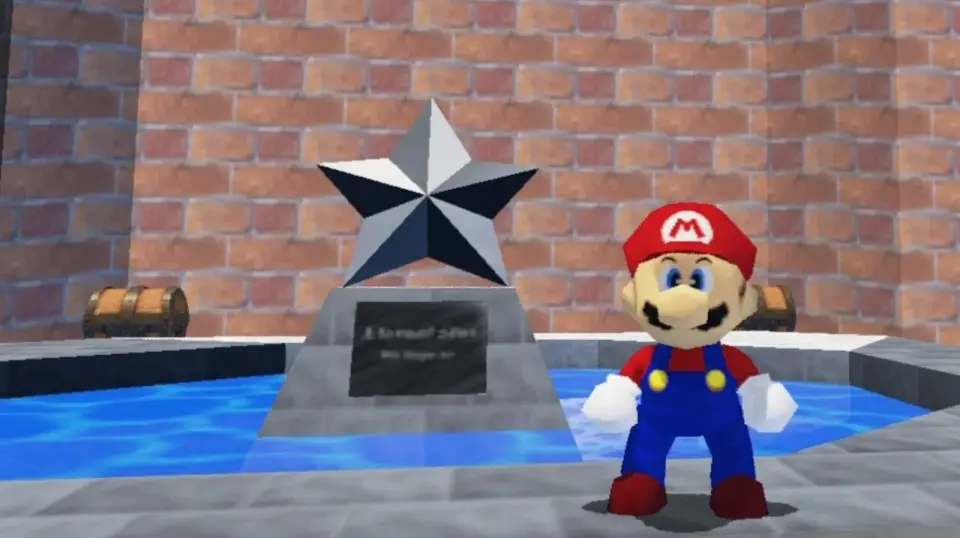
A programmer named Mochi64 used open-source software to analyze the blurry plaque in Super Mario 64, concluding it likely reads 'Eternal Star' and 'We hope so' rather than the long-rumored 'L is real 2401.'
Key points
- Mochi64 utilized a computational engine to test millions of word and font combinations against the 32-by-32 pixel texture of the castle courtyard plaque.
- The analysis identified 'Eternal Star' as the best match for the top line and 'We hope so' for the bottom, based on pixel alignment rather than graphical upscaling.
- The findings contradict the decades-old fan theory that the text reads 'L is real 2401,' which was believed to hint at a hidden playable Luigi.
- Nintendo has not officially confirmed the new reading, and the original 1996 design documentation remains unavailable to the public.
- The plaque’s location beneath a giant star statue in Peach’s Castle aligns with the 'Eternal Star' interpretation.
Background
Super Mario 64 reached its 30th anniversary in September 2026 without a remaster, keeping the original low-resolution assets intact. The N64 console sold 33 million units globally, and the game remains a defining title for 3D platforming mechanics. The unresolved plaque mystery has persisted since the game's 1996 release, with modern reissues failing to clarify the text due to the original texture's low resolution.
How outlets are covering it
Engadget and Game News Plus emphasize the technical rigor of Mochi64’s open-source analysis, highlighting the comparison of millions of combinations to find the closest pixel match. Metro.co.uk notes that while the new reading is compelling, accusations of AI use in the process remain unaddressed by the creator. All sources agree that the 'L is real 2401' theory, which fueled rumors of a secret Luigi unlock, is likely incorrect, though Nintendo has never provided official confirmation. The consensus is that the new finding is a testable hypothesis rather than a definitive answer.
Why it matters
This development resolves a prominent piece of retro gaming trivia that has persisted for three decades. It demonstrates how modern computational tools can reinterpret historical digital artifacts, potentially clarifying other unresolved mysteries in classic video games. The finding also shifts the narrative away from fan theories about hidden content toward a more literal interpretation of the game’s existing assets.
What to watch
The community may continue to debate the validity of the 'Eternal Star' reading, as the low-resolution source material leaves room for alternative interpretations. Nintendo is unlikely to provide an official explanation, but the open-source nature of the analysis allows other researchers to verify or challenge the results. Further datamining of Nintendo’s archives could potentially uncover design documents that confirm or refute the new hypothesis.
- We Might Finally Know What's Written On That Mysterious Plaque In Super Mario 64 Engadget
- Following 'Millions' of Computations, a Coder Is Convinced They've Deciphered the Mysterious Plaque in Super Mario 64 Time Extension
- 30-year-old Super Mario 64 mystery has finally been solved by obsessive fan Metro.co.uk
- Super Mario 64’s ‘L Is Real 2401’ Mystery May Finally Have an Answer Game News Plus
- Super Mario 64's 30-year-old plaque mystery may finally be solved TechSpot
Want the full story? Read the original reporting
Read on Engadget