
Indie Devs Accuse AI-Assisted Decompilation of Viral Steam Game Clone
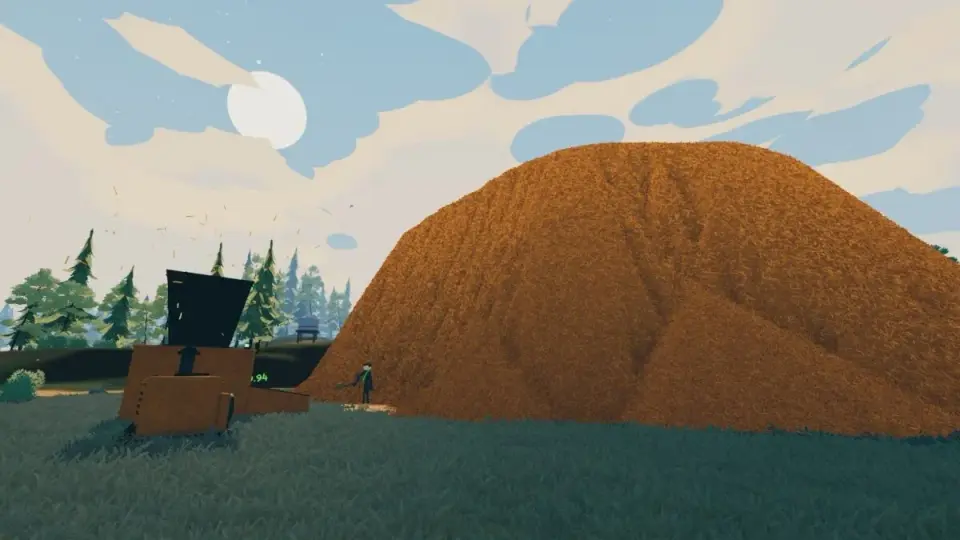
Developers of a clone of the viral game 'Needle In A Haystack Simulator' have accused another clone of stealing their code using AI. The original game by Studio Bitdot went viral in August 2026, leading to at least 14 similar titles on Steam. NoGlyph, a studio that released its own clone in September, claims that Little Field Studios' October release, 'A Game About Needle In A Haystack,' contains 13 identical classes and 39 byte-for-byte identical methods from their code. This incident highlights growing concerns about AI-assisted decompilation in the indie game industry, where developers lack the resources to legally challenge such rapid copying.
Key points
- Studio Bitdot's 'Needle In A Haystack Simulator' went viral in August 2026, prompting at least 14 similar clones on Steam.
- NoGlyph released its clone, 'Needle In A Haystack,' on September 29, 2026, without AI disclaimers.
- On October 17, 2026, NoGlyph accused Little Field Studios' 'A Game About Needle In A Haystack' of copying their code.
- NoGlyph found 13 identical classes and 39 byte-for-byte identical methods in the accused game, including error messages referencing non-existent shaders.
- The incident is linked to AI-assisted decompilation, where tools like Claude are used to reverse-engineer closed-source games.
- Indie developers face challenges in legally addressing such rapid AI-driven copying due to limited resources.
Background
The original 'Needle In A Haystack Simulator' by Studio Bitdot gained popularity through social media clips in August 2026. This led to a surge of similarly titled games on Steam, including 'A Needle In a Haystack' and 'Story of The Needle In a Haystack.' The current dispute involves NoGlyph, which released its own clone in September, and Little Field Studios, which released 'A Game About Needle In A Haystack' on October 16, 2026. NoGlyph's lead developer, Jahvin, confirmed the extent of the code copying via Discord.
Why it matters
This incident underscores the growing threat of AI-assisted decompilation in the indie game industry. As AI tools make it easier to reverse-engineer and copy games, developers face increased challenges in protecting their intellectual property. This could lead to fewer demos, early access titles, and trailers for indie games, as developers become more cautious about sharing their work publicly. The broader implications include a potential shift in how indie developers approach game development and distribution to mitigate the risks of rapid AI-driven copying.
What to watch
Indie developers may increasingly avoid releasing demos or early access titles to prevent AI-assisted copying. The incident could prompt discussions about legal frameworks and industry standards to address AI-driven decompilation. Additionally, the closure of the Video Game Decomp Hub due to AI-driven 'drive-by contributions' suggests a broader impact on the decompilation community, potentially affecting modding and patching efforts.
Want the full story? Read the original reporting
Read on Kotaku