
Rockstar's 'Midnight Club 5' canceled after London prototype scrapped due to internal GTA bias
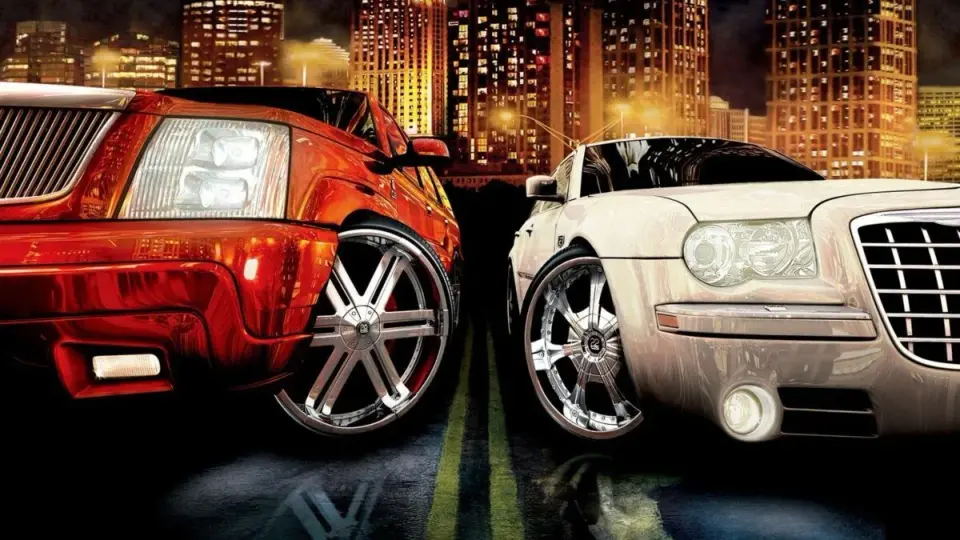
A former Rockstar designer revealed that 'Midnight Club 5' was canceled in 2010 after a London prototype was developed. The project failed due to missed deadlines on the previous entry and a lack of creative support from Rockstar's New York headquarters, which prioritized 'Grand Theft Auto' over the racing franchise. The San Diego team was subsequently dissolved, with staff reassigned to other projects or laid off.
Key points
- Former Rockstar senior designer Kris Roberts confirmed that development for 'Midnight Club 5' began around 2010, with a prototype city map of London in progress.
- The project was canceled due to 'non-trivial' conflicts between Rockstar San Diego and New York headquarters, primarily stemming from missed deadlines during the development of 'Midnight Club: Los Angeles'.
- Roberts stated that the San Diego team felt treated as a 'red-headed stepchild' because management measured success against 'Grand Theft Auto' metrics, ignoring strong player engagement data for the racing series.
- After the cancellation, the Midnight Club team was dismantled; some developers moved to the RAGE engine or 'Red Dead Redemption', while others were laid off.
- No new entry, remake, or remaster of the series has been released since 'Midnight Club: Los Angeles' in 2008, despite the franchise's commercial success against competitors like 'Need for Speed'.
Background
The Midnight Club series, which began in 2000, was a significant part of Rockstar's portfolio before the company shifted its focus almost entirely to the 'Grand Theft Auto' and 'Red Dead' franchises. The last entry, 'Midnight Club: Los Angeles', was released in 2008 for Xbox 360 and PS3. While the series was commercially viable, it never achieved the cultural dominance or profit margins of Rockstar's open-world action titles, leading to a gradual reduction in resources and eventual cancellation of the next installment.
How outlets are covering it
Kotaku and Insider Gaming both rely on the interview with Kris Roberts to highlight the internal friction between Rockstar's San Diego and New York offices. Both outlets emphasize the 'red-headed stepchild' dynamic, where the racing team felt undervalued despite positive player retention data. PlayFront adds a broader industry perspective, noting that the cancellation marked Rockstar's transition from a diversified publisher to a studio focused on a single genre. PlayFront also points out that the technical innovations in Midnight Club, such as open-world streaming, later influenced vehicle handling in 'GTA IV' and 'GTA V', suggesting that the cancellation had long-term technical implications for Rockstar's flagship titles.
Why it matters
This story illustrates how corporate hierarchy and brand prioritization can kill successful franchises, even when they have dedicated fanbases and strong performance metrics. It also highlights the impact of internal studio dynamics on game development, showing how missed deadlines and creative control disputes can lead to the dissolution of entire teams. For fans of racing games, it serves as a reminder of the potential that was lost when Rockstar chose to concentrate all its resources on 'Grand Theft Auto'.
What to watch
It is highly unlikely that a new Midnight Club game will be developed, as Rockstar has not mentioned the series in recent earnings calls or announcements. The focus remains on 'GTA 6' and other major projects. However, the technical legacy of the series continues to influence Rockstar's vehicle physics and open-world design in subsequent titles.
- Midnight Club 5 Was Possibly Set In London But Was Canceled In 2010 Kotaku
- EXCLUSIVE: Why Was Midnight Club 5 Canceled By Rockstar? Insider Gaming
- Rockstar Games Killed Midnight Club 5 Because It Wasn't as Big as GTA, Ex-Designer Claims IGN
- Rockstar veteran explained why Midnight Club 5 was canceled ixbt.games
- Rockstar on Midnight Club 5: Prototype failed due to internal GTA fixation PlayFront
Want the full story? Read the original reporting
Read on Kotaku