
Sakurai warns AI will flood gaming with unplayable clones, ending his 16-year design award
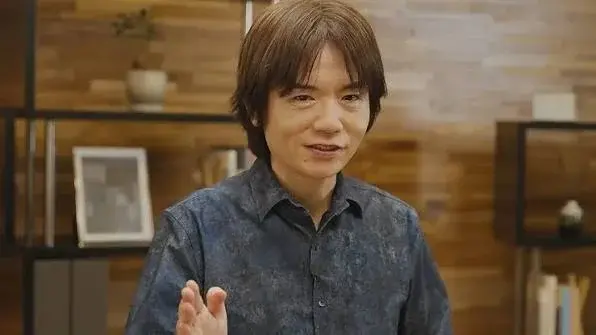
Masahiro Sakurai, creator of Super Smash Bros. and Kirby, has discontinued his 16-year-old Game Designers Award at the Tokyo Game Show, citing a lack of originality in modern development. In interviews, he warned that AI will exacerbate this trend by flooding the market with derivative, 'unplayable' titles. Sakurai noted that while Steam releases have surged from 275 in 2010 to over 19,000 annually, AI will likely increase this volume further. He argued that true innovation, such as the unique visions of designers like Fumito Ueda, cannot be replicated by algorithms, making human creativity essential for the industry's survival.
Key points
- Sakurai ended the Game Designers Award after 16 years, stating he could not find a suitable successor and lamenting that originality has low priority for many publishers.
- He warned that AI will lead to a surge in low-quality, derivative games that are often 'unplayable' or direct copies of existing titles.
- Sakurai cited the game 'Librarian: Tidy Up the Arcane Library' as an example, noting that its simple mechanics led to a rapid proliferation of imitators like 'Supermarket Chaos' and 'Needle in a Haystack Simulator'.
- He emphasized that while AI can mimic the atmosphere of existing games, it cannot replicate the future original ideas of human creators like Fumito Ueda.
- Sakurai compared the industry's reliance on familiar concepts to consumers only buying limited-time drink flavors they already know, warning that an industry losing originality will 'die slowly'.
Background
Sakurai's comments come amid broader industry concerns regarding the impact of generative AI on game development. Previous coverage noted that Sakurai had already signaled the end of his award due to a lack of innovative titles. The current discussion aligns with recent critiques of Steam Next Fest, where thousands of AI-generated demos have been described as 'slop' by some outlets. Sakurai's stance mirrors similar views from other industry leaders, such as Konami president Hideki Hayakawa, who recently argued that human creators, not AI output, are the primary drivers of innovation.
How outlets are covering it
Nintendo Everything and Kotaku both highlight Sakurai's interview with Denfaminicogamer, focusing on his specific quotes regarding the difficulty of conveying original ideas to staff and publishers. PC Guide emphasizes the economic aspect, noting Sakurai's view that AI will lead to 'unprofitable' games. FRVR focuses on the sheer volume of releases, citing the jump from 4,000 to over 8,000 demos in Steam Next Fest. While all sources agree on Sakurai's pessimism regarding AI's impact on originality, Kotaku places greater emphasis on the 'slow death' of the industry without innovation, whereas Nintendo Everything focuses more on the practical challenges of game design communication.
Why it matters
Sakurai's warnings highlight a critical tension in the gaming industry between the efficiency of AI-assisted development and the necessity of human creativity for long-term industry health. As the volume of releases grows, the ability to distinguish original, high-quality games from derivative AI-generated content becomes increasingly difficult for both developers and consumers. This debate is likely to influence future discussions on AI regulation and the value of human-led design in a saturated market.
What to watch
The gaming industry will likely continue to see a rise in AI-generated titles, particularly in smaller, independent sectors. Publishers and developers may face increasing pressure to demonstrate originality to stand out in a crowded market. Sakurai's discontinuation of the award may lead to a search for new initiatives that promote innovative game design, though no immediate successor has been announced. The debate over AI's role in game development is expected to intensify as more AI-generated titles enter the market.
- Smash Bros. director Masahiro Sakurai warns AI could lead to unoriginal, unplayable games Nintendo Everything
- Smash Bros and Kirby creator Masahiro Sakurai says AI usage will lead to unoriginal and "unprofitable" games PC Guide
- Masahiro Sakurai Says Gaming Needs Originality Or It ‘Will Die Slowly’ Kotaku
- Smash Bros creator Masahiro Sakura says AI will lead to “unplayable” games and “the vast majority will be direct copies of games we've seen before” FRVR
- Super Smash Bros. creator speaks out about the impact of artificial intelligence on the industry GameGPU
Want the full story? Read the original reporting
Read on Nintendo Everything