
Sony clarifies 2028 disc production drop is 10%, not 90%
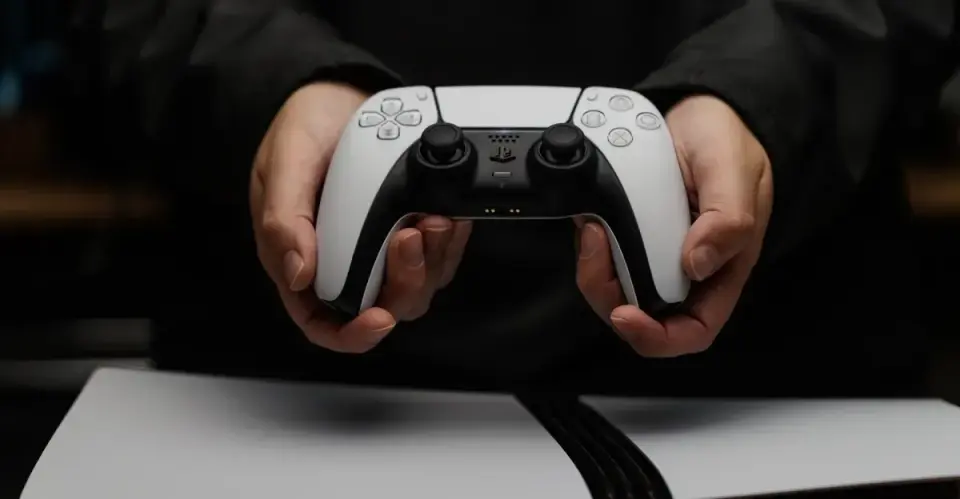
Sony has clarified that its disc manufacturing output will decrease by 10% in 2028, not drop to 10% of previous levels, correcting earlier misinterpretations of executive statements. While the company will cease producing new physical games in January 2028, it will continue to fulfill reorders for existing titles. This clarification comes amid broader industry shifts toward digital-only models and significant consumer backlash regarding the loss of physical ownership.
Key points
- Sony DADC confirmed that the Thalgau plant’s production volume will decline by 10% in 2028, rather than falling to 10% of its previous output, correcting a widely reported error.
- Sony will stop manufacturing new physical games in January 2028 but will continue to accept reorders for existing titles, extending the life of physical media for a period.
- The company’s decision to end new disc production is driven by analytics showing that 80% of PlayStation sales are now digital.
- Sony keeps disc manufacturing in-house through DADC, unlike Microsoft, which uses third-party authorized replicators for Xbox discs.
- The clarification follows a July announcement and subsequent confusion regarding comments made by DADC chief Dietmar Tanzer to an Austrian broadcaster.
Background
This development follows earlier reports in July 2026 that Sony was repurposing its last discmaking plant in Thalgau, Austria, to produce microlenses instead of discs. Previous coverage noted that CD Projekt Red confirmed The Witcher 4 would have a physical box but might include a code instead of a disc if Sony’s manufacturing plans proceeded as initially feared. The current clarification provides a more gradual timeline for the transition, suggesting that while new game production ends in 2028, the infrastructure for physical media will not collapse immediately.
How outlets are covering it
The Verge and Eurogamer both report the core clarification from Sony DADC, noting that the 10% decline is a reduction in volume, not a reduction to 10% of volume. Eurogamer highlights industry reactions, including Niko Partners analyst Daniel Ahmad’s view that ending discs kills the resale market and shifts spending to the PlayStation Store, where margins are higher. Former SIE Worldwide Studios chairman Shawn Layden criticized the move as 'depressing' but 'solvable,' arguing that physical media has a cultural value beyond financial metrics. The Rider News, an opinion piece, frames the issue as a broader industry trend toward digital-only models, citing Rockstar Games’ digital-only release of GTA VI and the $100 price point for its special edition as evidence of a shift away from consumer ownership. While The Verge and Eurogamer focus on the specific manufacturing clarification, The Rider News contextualizes it within a larger narrative of corporate control over media distribution and consumer backlash, including piracy threats and fan protests during Sony’s State of Play events.
Why it matters
The clarification affects the timeline for the end of physical game ownership, impacting collectors, resellers, and consumers who rely on physical media for preservation. It also highlights the tension between corporate financial incentives and consumer expectations of ownership, a debate that extends beyond gaming to other digital media formats.
What to watch
Sony will continue to accept reorders for existing PlayStation disc games after January 2028, but new titles will be digital-only. The company has not provided details on what happens to production beyond 2028. Industry observers will watch for potential licensing deals or third-party manufacturing solutions, such as the Memphis-based Conectiv Supply Chain Solutions, which has been mentioned as a possible alternative. Consumer sentiment and potential shifts to competing platforms like Xbox or Nintendo may also influence future decisions.
- Sony isn’t phasing out discs quite as quickly as we thought The Verge
- Sony's PlayStation disc plant is losing 10 percent of its volume in 2028, not 90 Substack
- No, Sony isn't cutting PlayStation disc production by 90 percent, just 10 Eurogamer.net
- The End of Physical Games for PlayStation? Yahoo Tech
- Sony and Rockstar eyeing all-digital future The Rider News
Want the full story? Read the original reporting
Read on The Verge