
Stellar Blade Switch 2 Launch Sparks Debate Over Frame Generation Lag and Live-Action Ad
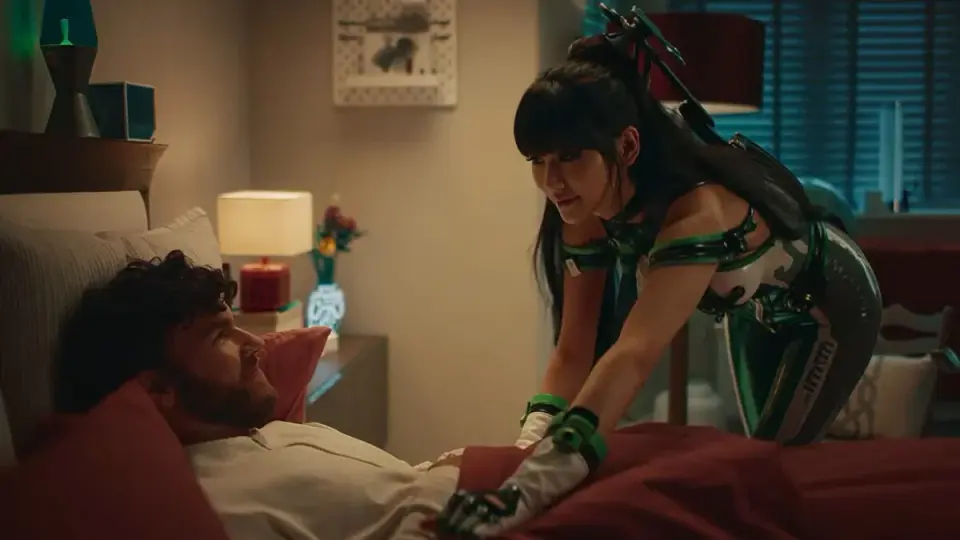
Stellar Blade launched on Nintendo Switch 2 on November 6, 2026, alongside a controversial live-action ad campaign. While the port includes all post-launch content and a free Bayonetta crossover, technical analyses reveal significant input lag caused by aggressive frame generation. This delay disrupts the game’s precise combat mechanics, prompting developers to offer a toggle that sacrifices visual smoothness for responsiveness.
Key points
- Stellar Blade released on Nintendo Switch 2 on November 6, 2026, featuring all post-launch content and a free Bayonetta collaboration with four new outfits.
- A new live-action ad campaign features the character Eve in domestic scenarios, such as tucking in adults and reading bedtime stories, generating over two million views and polarized fan reactions.
- Digital Foundry reports the Switch 2 version uses FSR3 frame generation to target 60 FPS, but this creates input lag that hampers the timing required for parries and dodges.
- Shift Up added a frame generation toggle after demo feedback; disabling it reduces the internal resolution to approximately 648p and lowers the frame rate to 35-45 FPS for tighter controls.
- The update also fixed several bugs, including a side quest progression error and a character getting stuck on a cliff, while improving cosmetic display consistency.
Background
Stellar Blade, originally released in 2024, became a cultural focal point due to controversies surrounding its marketing and AI usage. Previous archive coverage noted that Shift Up faced backlash for using AI in trailers and for character design choices. The current Switch 2 launch follows earlier discussions about the game’s porting strategy and the broader industry debate regarding AI in game development.
How outlets are covering it
Kotaku emphasizes the cultural impact of the new live-action ad, noting its 'throwback' style and the intense fan reaction, including comments wishing the ad featured them. In contrast, GameSpot and Digital Foundry focus on technical performance, highlighting that while the port looks visually impressive, the frame generation introduces unacceptable input lag for an action game requiring precise timing. PlayStation LifeStyle highlights the positive aspects of the launch, specifically the free Bayonetta crossover and bug fixes, while acknowledging the general praise for the Switch 2’s handling of the game’s fidelity. The outlets disagree on the overall success of the port: Kotaku views the ad as a marketing win despite its oddities, while GameSpot argues the technical flaws make the Switch 2 version inferior to the PS5 and PC versions for core gameplay.
Why it matters
The launch highlights the trade-offs in porting high-performance action games to hybrid consoles. The reliance on frame generation to maintain visual standards can compromise gameplay integrity, particularly in titles requiring precise timing. Additionally, the polarized reaction to the live-action ad reflects ongoing tensions in gaming marketing regarding cultural sensitivity and fan engagement.
What to watch
Shift Up is developing the sequel, Stellar Blade: Blood Rain, which features a new protagonist. The company has previously faced criticism for AI usage in marketing materials, suggesting future promotional strategies may continue to draw scrutiny. Players are advised to test the frame generation toggle to determine if the Switch 2 version meets their gameplay preferences.
- New Stellar Blade Ad Gives Fans Plenty To Talk About With Therapist Kotaku
- Stellar Blade Nintendo Switch 2 tech analysis, including frame rate and resolution Nintendo Everything
- Stellar Blade On Switch 2 Looks Like A Great Port, Until You Start Fighting GameSpot
- PS5 Action Game Gets Free Bayonetta Crossover DLC PlayStation LifeStyle
- 「Stellar Blade」Nintendo Switch 2版が発売!「NieR:Automata」や「NIKKE」に加えて「ベヨネッタ」とのコラボも収録 Saiga NAK
Want the full story? Read the original reporting
Read on Kotaku