
Stellar Blade Switch 2 Port Uses FSR 3.1 to Mask 30 FPS Base Rate
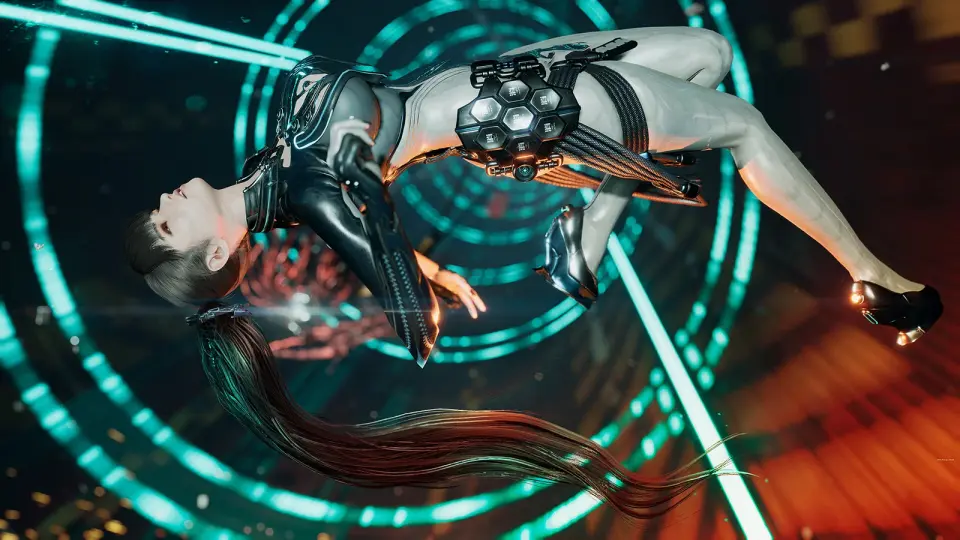
Shift Up’s Stellar Blade: Complete Edition will launch on Nintendo Switch 2 in 2026, utilizing a hybrid of NVIDIA DLSS and AMD FSR 3.1. While the game targets 60 FPS in both docked and handheld modes, it renders at a base 30 FPS, using frame interpolation to double the rate. This approach, which debuts FSR 3.1 on the console, may introduce input lag despite smooth visuals.
Key points
- Stellar Blade: Complete Edition is scheduled for release on Nintendo Switch 2 in 2026, featuring Nier Automata and Nikke collaboration packs.
- The game targets 60 FPS in both docked and handheld modes, but renders at a base 30 FPS to achieve this.
- Shift Up uses NVIDIA DLSS for upscaling (1080p docked, 720p handheld) and AMD FSR 3.1 for frame interpolation, as Switch 2 lacks native DLSS frame generation.
- CTO DongKi Lee confirmed that the 30 FPS base ensures even latency, but critics warn that interpolated frames can feel laggy in action games.
- The port includes HD Rumble 2 support, converting PS5 haptic data directly, along with touchscreen, gyro, and mouse controls.
- Shift Up hinted at additional unrevealed features for the Switch 2 version but did not provide specific details.
Background
This follows earlier reports in August 2026 confirming the technical specifications of the port. Previous coverage noted that Shift Up aimed for consistent latency by prioritizing a stable 30 FPS base before interpolation. The release is part of a broader trend of high-profile titles launching on Switch 2, including Elden Ring: Tarnished Edition and The Witcher 3 Remastered, which have also utilized upscaling technologies to manage performance on the new hardware.
How outlets are covering it
Wccftech and Nintendo Wire emphasize the potential negative impact of using AMD FSR 3.1 frame generation on a 30 FPS base, citing increased input lag and a 'fake' 60 FPS experience that may hinder gameplay precision. Nintendo Everything provides the technical confirmation from Shift Up, highlighting the developer’s intent to maintain even latency through this method. GoNintendo focuses on the positive aspects of the port, such as the direct conversion of PS5 haptic data for HD Rumble 2 and the inclusion of diverse control schemes, while noting that Shift Up has not yet revealed all planned features. The outlets agree on the technical setup but differ in their assessment of the resulting gameplay feel.
Why it matters
The use of AMD FSR 3.1 on Switch 2 marks a significant technical milestone, as it is the first time this technology is implemented on the console. However, the reliance on frame interpolation to reach 60 FPS from a 30 FPS base raises concerns about input responsiveness in action-oriented games. This case study may influence how developers approach performance targets on Switch 2, balancing visual smoothness with gameplay responsiveness. Additionally, the inclusion of advanced features like HD Rumble 2 and multiple control schemes demonstrates Shift Up’s commitment to leveraging the full capabilities of the new hardware, potentially setting a standard for future third-party ports.
What to watch
Shift Up has not announced a specific release date for Stellar Blade: Complete Edition on Switch 2, but it is expected to launch later in 2026. The developer has hinted at additional features that may be revealed in the future, though no concrete details have been provided. Players will need to wait for the official release to test the actual gameplay feel and determine if the frame interpolation negatively impacts the experience. Further updates on the game’s performance and features may emerge as the release date approaches.
- AMD FSR 3.1 Frame Generation Reaches Switch 2 With Stellar Blade, Yet Fake 60 FPS Hides Real Input Lag Wccftech
- Stellar Blade dev confirms Nintendo Switch 2 frame rate and resolution, explains how DLSS is being used Nintendo Everything
- Stellar Blade’s Switch 2 port uses a mixture of DLSS and AMD FSR 3.1 Nintendo Wire
- Stellar Blade: Complete Edition dev talks HD Rumble 2 implementation, hints at another reveal coming GoNintendo
- Stellar Blade Devs Admit Switch 2 Port Will "Definitely Help For The Sequel" OpenCritic
Want the full story? Read the original reporting
Read on Wccftech