
Frogwares' Arkham Shifts to Survival Horror in The Sinking City 2
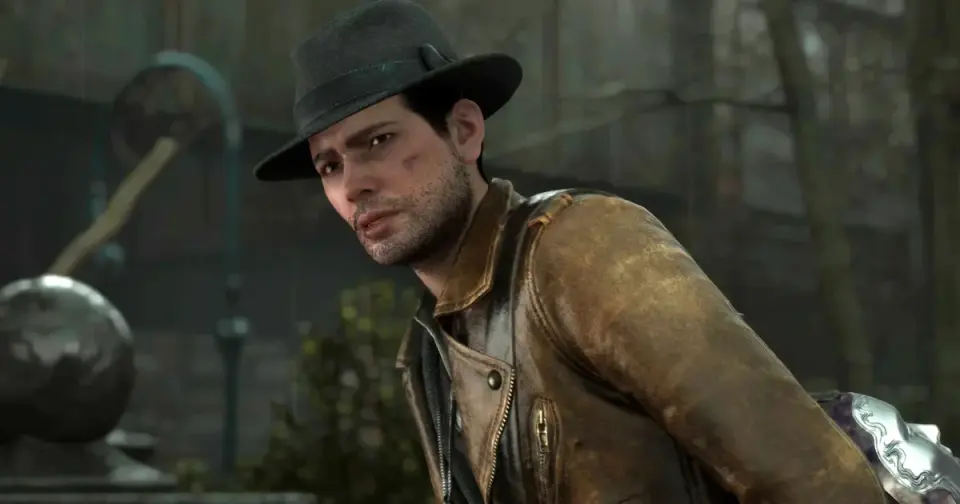
The Sinking City 2 launches on August 18, 2026, marking a significant pivot for Frogwares from the open-world detective roots of the 2019 original to a tighter, combat-focused survival horror experience. Set in the flooded 1920s city of Arkham, the game follows paranormal investigator Calvin Rafferty as he attempts to rescue his comatose lover from the Dreamlands. While the studio retains its investigative heritage, it now frames puzzles as optional rewards rather than mandatory gates, prioritizing resource management and tense encounters with Lovecraftian monsters. The release highlights the resilience of the Ukrainian developer, who continued production amid wartime conditions.
Key points
- The game shifts from the original's open-world detective structure to a semi-open survival horror format with linear progression and scarce resources.
- New protagonist Calvin Rafferty replaces the previous character, with the story focusing on saving his lover Faye from a ritual gone wrong.
- Investigative elements are now optional side-quests that unlock upgrades and shortcuts, rather than blocking main story progression.
- Combat mechanics are central, featuring responsive gunplay and enemies like the Slither, Stygian Harvester, and Acheronian Juggernaut.
- Frogwares emphasizes the game was developed in Ukraine during an ongoing war, with in-game references to air raid sirens and wartime resilience.
Background
The original The Sinking City, released in 2019, established Frogwares' reputation for Lovecraftian detective adventures, building on their earlier Sherlock Holmes titles. The sequel represents a deliberate departure from that formula, moving away from the open-world investigation style of the first game. Earlier coverage noted the game's pulpy action-horror tone and its connection to the real-world struggles of its Ukrainian developers. The release follows a crowdfunding campaign that exceeded its goals quickly, indicating strong community interest in the studio's new direction.
How outlets are covering it
Eurogamer praises the game's visual craftsmanship and combat responsiveness but notes initial frustration with tight inventory limits and untelegraphed ambushes, questioning if the shift from deduction is truly an improvement. The Guardian highlights the game's 'pulpy' action-horror style and its poignant in-game references to Ukrainian war injuries, calling it a 'seven-out-of-ten' effort with strong tension but stiff acting in the romance subplot. PlayStation.Blog and Xbox Wire focus on the technical and design changes, emphasizing how the studio redesigned enemy behaviors and made investigation optional to reward exploration rather than gate progress. All sources agree on the game's atmospheric 1920s setting and the developers' resilience during wartime, but differ on whether the reduced emphasis on deduction enhances or diminishes the series' identity.
Why it matters
The Sinking City 2 demonstrates how established indie studios can pivot their core gameplay mechanics in response to market trends and internal development challenges. The shift from open-world detective work to survival horror reflects a broader industry trend toward tighter, more resource-constrained horror experiences. Additionally, the game serves as a cultural artifact, embedding the realities of wartime development into its narrative and environmental storytelling, which resonates with players seeking meaningful connections between fiction and real-world resilience.
What to watch
Players can now purchase the game on PC, PS5, and Xbox Series X/S, with Premium and Deluxe editions offering additional content like the Holloway Manor side mission and exclusive weapons. Frogwares may use the sequel's reception to inform future projects, potentially blending investigative elements with survival horror in new ways. The studio's ability to deliver a polished product under wartime conditions may also influence how other developers approach production in conflict zones.
- The Sinking City 2 ditches the thinky stuff for classic survival horror, but I'm yet to decide if it's truly better for it Eurogamer
- Meet the Lovecraftian monstrosities of The Sinking City 2, out today on PS5 PlayStation.Blog
- The Sinking City 2 review – Ukrainian cosmic horror, come hell or high water The Guardian
- How The Sinking City 2 Shifts to Survival Horror While Keeping Its Investigation Roots XBOX Wire
- Roundup: Here's What The Critics Are Saying About The Sinking City 2 purexbox.com
Want the full story? Read the original reporting
Read on Eurogamer