
Xbox's Failed 2013 DRM Strategy Enables New Disc-to-Digital Feature
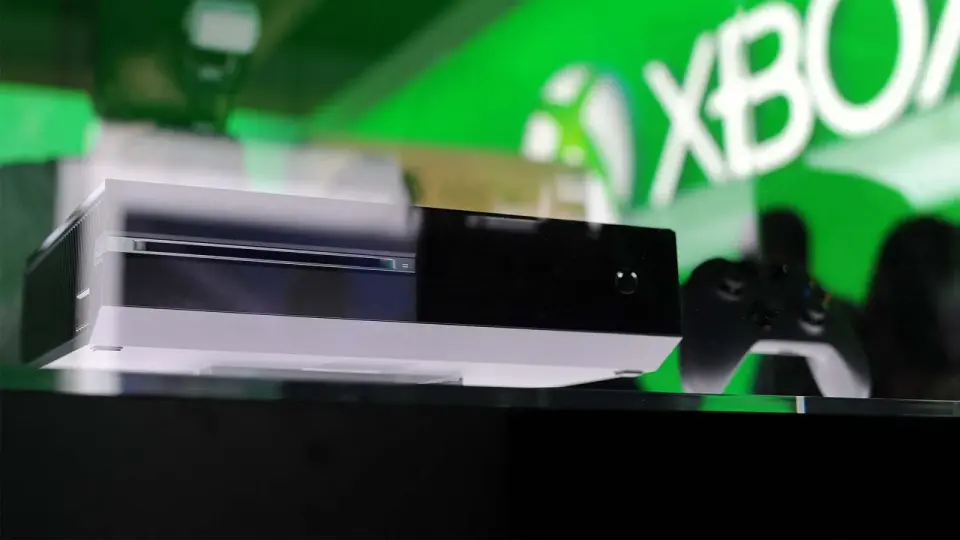
Microsoft's new disc-to-digital feature relies on unique serial numbers embedded in Xbox One discs since 2013, a practice originally intended for failed always-online DRM. This allows players to convert physical copies to digital licenses, a capability Sony cannot currently replicate due to lack of similar tracking data on PlayStation discs.
Key points
- Microsoft embedded unique serial numbers in Xbox One discs starting in 2013 to support a scrapped always-online DRM initiative.
- The disc-to-digital feature uses these serial numbers to track which physical discs have been converted to digital licenses.
- Some early Xbox One discs lack this tracking data, preventing them from working with the new program.
- Sony cannot currently offer a similar feature because PlayStation discs likely lack embedded tracking information.
- The original 2011 plan included digital gifting and retail conversion, but was abandoned due to consumer backlash against mandatory online requirements.
Background
Microsoft's disc-to-digital program, launched in August 2026, allows users to insert physical Xbox One or later discs into their consoles to obtain digital copies. The initiative has seen mixed publisher support, with Ubisoft joining after initial hesitation, while Square Enix and others remain absent. This development occurs as Sony announces the end of physical PlayStation games by 2028, raising questions about digital ownership and offline access.
How outlets are covering it
Kotaku emphasizes the irony that Xbox's 2013 DRM failure, which caused significant backlash and damaged the Xbox One's reputation, is now the foundation for a consumer-friendly feature. The outlet highlights that this capability gives Microsoft a competitive edge over Sony, which lacks similar disc tracking. Notebookcheck focuses on the original 2011 vision, noting that the initial plan was more consumer-friendly, including digital gifting and retail swaps, but was abandoned due to the always-online requirement. Both outlets agree that the serial number embedding was a strategic move that has unexpectedly paid off, though Notebookcheck questions whether Microsoft will revive the broader original vision given licensing challenges with publishers.
Why it matters
The disc-to-digital feature addresses concerns about game preservation and ownership in an increasingly digital gaming landscape. It provides a bridge for physical media owners to transition to digital licenses, potentially extending the life of physical games as the industry moves toward disc-free consoles. The success of this program depends on publisher participation and the evolution of licensing agreements, which could influence future digital ownership rights and offline play capabilities.
What to watch
Microsoft is expected to expand the disc-to-digital program to more publishers, including Square Enix, as contracts are finalized. The company may also consider reviving aspects of the original 2011 plan, such as digital gifting and resale, if licensing challenges are resolved. The timing of this feature, coinciding with Sony's announcement to end physical PlayStation games by 2028, may accelerate the industry's shift toward digital-only models and prompt legislative discussions about digital game ownership.
- Xbox One’s Catastrophic DRM Is The Reason It Can Now Offer Disc-To-Digital Kotaku
- Xbox’s original disc-to-digital plan was much more wholesome, back in 2011 at least Notebookcheck
- Xbox's Disc-to-Digital Program Traces Roots to 2011 Digital Ownership Plan finance.biggo.com
- Microsoft Laid the Groundwork for XBOX Disc-to-Digital 15 Years Ago Windows Report
- Microsoft Reportedly Explored The Idea of True Xbox Digital Ownership in 2011 Nexus Hub
Want the full story? Read the original reporting
Read on Kotaku