
Wired Reporter Tests Pepper EMS Suit for Two Months, Reports Modest Muscle Gains
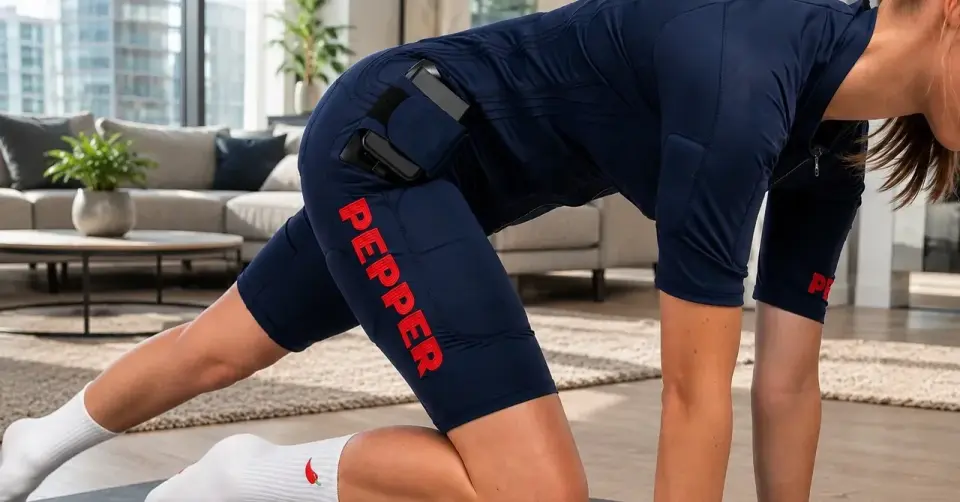
A two-month trial of the Pepper EMS suit by Wired’s Christopher Null yielded modest increases in muscle mass and strength, though waistline measurements remained unchanged. The suit, priced at $1,400, uses 20 electrodes to stimulate muscles during 20-minute sessions, which the company claims equate to an hour of traditional exercise. While research suggests EMS can complement strength training, medical consensus remains divided on its standalone efficacy.
Key points
- Null wore the Pepper suit three times a week for two months, alternating with regular cardio and strength training, while maintaining his diet.
- The suit features 20 dry electrodes covering major muscle groups, with a removable battery pack that lasts for at least 10 sessions.
- After the trial, smart scales indicated a 2.7-pound increase in muscle mass and a 1.6-pound decrease in fat, though waist circumference did not change.
- Null reported gaining half an inch or more in biceps, thigh, and chest circumference, along with slight improvements in gym strength.
- The suit’s app tracks workouts and gamifies progress with 'Pepper points,' though Null experienced technical glitches and hardware issues during the trial.
Background
Previous coverage on age-related muscle loss emphasizes the importance of consistent resistance training and adequate protein intake to combat sarcopenia. While those articles focus on traditional exercise routines for older adults, the current story explores a technological adjunct to fitness that aims to accelerate muscle activation through electrical pulses.
Why it matters
The trial highlights the growing market for at-home fitness technology that promises efficiency and convenience. While EMS is not a replacement for traditional training, it may offer a viable supplement for individuals seeking to enhance muscle activation or manage time constraints, provided they understand the limitations and potential risks.
What to watch
Null plans to continue using the suit, potentially reducing frequency to twice a week. The broader market for EMS suits includes competitors like Apeborn, with prices ranging from $1,400 to $4,000, suggesting continued innovation in this niche.
Want the full story? Read the original reporting
Read on WIRED